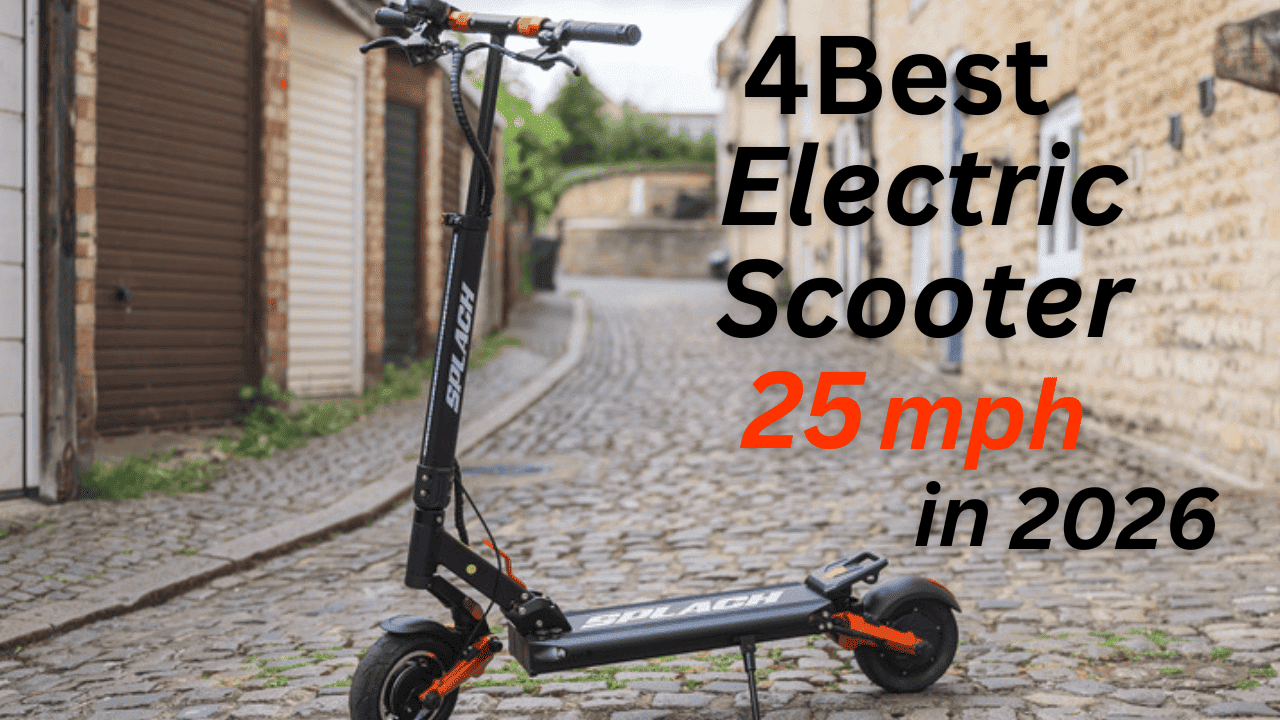
Speed capped at 25 miles per hour, these compact electric scooters run on wheel-mounted motors ranging from 500 to 1,200 watts. Fully juiced, they reach max pace on flat surfaces – provided the rider weighs around one hundred sixty-five to one hundred seventy-five pounds. That peak doesn’t occur with uphill or heavier loads. Not just for quick trips anymore – these go fast enough to keep up with city streets. Covering real commuting ranges becomes possible, but it also means more risk. Safety gear matters now because speeds change how things unfold out there.
This isn’t toylike zipping around corners; it’s closer to sharing lanes with cars. Power like this makes sidewalks irrelevant and pushes riders toward roads. Equipment needs to hold up – brakes, lights, structure – everything gets tested at this pace. Ride quality shifts sharply once you cross into this range. It feels less like gadget fun, more like actual transportation with consequences.
Yet here’s a detail most reviews skip entirely. It weighs heavily the moment you step beyond U.S. borders.
Electric Scooter 25 mph vs 25 km/h: The Difference That Could Cost You
Most riders run into trouble right here – competitor pieces stay silent on the issue. Yet clarity matters.
A quarter of a hundred miles per hour matches up closely with forty kilometers per hour. This isn’t just some small detail – instead, it decides whether your scooter counts as allowed transport or something officials might take away nearly anywhere on Earth.
Most places in Europe set a top speed of 25 kilometers per hour for small electric rides, close to 15.5 miles per hour – not double that. Beyond the border, speeds allowed hit 25 klicks per hour where French wheels roll. Down German roads, that number dips – twenty becomes the cap. Some Australian regions match the European standard, allowing travel at 25 km/h on these devices. Across parts of the UK where rentals are being tested, speeds max out around 15.5 mph.
A machine sold as going 25 miles per hour actually moves close to 2.5 times faster than what the law allows on roads in much of Europe, Australia, and large areas of Asia. When picking one while looking beyond borders, that detail shifts everything about your choice.
Out on American streets, things aren’t quite black and white. While many places limit speeds on shared roads to between fifteen and twenty miles per hour, Michigan pushes ahead with a twenty-five-mile-per-hour allowance. Some regions – like California, Arkansas, Massachusetts, Missouri, Kansas, and Maine – insist riders carry a proper driver’s license or learner’s permit. Elsewhere across the country, if your scooter stays below seven hundred fifty watts and doesn’t exceed twenty mph, you’re free to ride without any official driving papers.
Global Speed Law Snapshot
| Region | Legal Street Cap | License Required? | Key Note |
| USA (most states) | 15–20 mph | No (6 states: yes) | Michigan = 25 mph |
| EU Standard | 25 km/h ≈ 15.5 mph | No (under 1kW) | Germany = 20 km/h |
| UK | Private e-scooters: illegal on roads | N/A | Rental trials at 15.5 mph only |
| France | 25 km/h ≈ 15.5 mph | No | Night riding: hi-vis vest required |
| Germany | 20 km/h ≈ 12.4 mph | No (age 14+) | Insurance sticker required |
| Australia | 25 km/h ≈ 15.5 mph | No | NSW: private property only |
| Canada (Ontario) | 24 km/h ≈ 15 mph | No | Quebec: registration if >500W |
| Japan | 20 km/h ≈ 12.4 mph | No (new reform) | New low-speed class introduced |
| Singapore | 25 km/h on paths only | No | Roads fully prohibited |
| UAE/Dubai | 20 km/h on designated tracks | Permit required | Controlled zones only |
The practical takeaway: In most of the world, you’ll be using your Electric Scooter 25 mph in Eco or Standard mode on public roads. Out on private property, Electric Scooter 25 mph speeds up to are allowed – also seen on managed courses or places such as Michigan, where local rules permit it.
What will happen when your Electric Scooter 25 mph speeds up?
Once those boundaries are crossed, the way your scooter runs changes entirely. Officials could call it a motor vehicle rather than just another bicycle. Hit more than 20 miles per hour in many U.S. states, and paperwork follows – titles, coverage, maybe even a special license. Over in Europe, speed matters, along with power; break 25 kilometers per hour with over a kilowatt of output, and the rules shift fast. That device then fits under L1e-A standards, part of broader transportation codes across member nations.
Fines show up fast – $150 hits first, then doubles if repeated, thanks to Las Vegas rules set in late 2025. Over in Singapore, amounts climb past $2,000, sometimes much more. When speed mods are found on scooters in Germany, they take them away without delay. Insurance? Gone too, wiped out along with any claims.
What solves the problem is not changing how your scooter works. It’s about picking one of the preset ride styles already inside it.
Ride Modes Help Meet Legal Requirements
Some Electric Scooter 25 mph arrive with more than one riding option – think Eco, then Normal, sometimes Sport. Hardly any reviews mention this, but it’s what helps these models follow rules nearly anywhere on Earth.
- Speed usually stays under twelve to fifteen miles per hour. In busy walking areas, that speed makes sense. Think of sidewalks in Europe or bike lanes in Singapore – this setting fits right in. Slower movement comes standard here, matching rules in places where people walk more than drive.
- Top speed usually ranges from 17 to 20 miles per hour in standard settings; it matches common legal speeds across U.S. states and trails down under.
- Out here, pushing top pace hits 22-25 miles per hour. That kind of run fits rules only where it’s allowed – private ground, special roads built fast, or spots approved inside Michigan.
A Electric Scooter 25 mph might seem excessive in a 15 mph zone, yet it runs easier at lower speeds because the motor works less hard. The extra power means smoother effort when needed. Since the battery is larger, it delivers steady performance without dropping off quickly. Stronger brakes, sturdier tires, improved suspension – all these parts help keep control sharper even when going slow. What looks like excess turns out to support reliability under everyday conditions.
The Battery voltage problem nobody talks about
Most people think Electric Scooter 25 mph means exactly that. Yet speed can shift even when the label says otherwise. Some scooters slow down under real conditions. The number on paper? Often just a best-case snapshot. Conditions like hills, weight, or battery level change everything. What you get daily might be less. Performance dips happen without warning. Labels rarely mention these drops. Real-world results differ more than expected. That top speed shows up only in perfect tests. Everyday use tells another story.
Once the power gauge slips past the midpoint on a 36-volt scooter, velocity tends to ease into the low twenties – say, 22 or 23 mph. With the charge dipping toward one-fifth full, motion slows further, edging toward 19 or 20. Imagine traveling 12 miles one direction; coming back with half the juice left means that the claimed 25-mph ride now crawls at 20, just when timing matters most.
Power stays consistent through most of the discharge cycle in 48-volt systems, which is why many Electric Scooter 25 mph models maintain speed better as the battery drains. When voltage climbs to 52 in advanced models, performance dips less as energy fades. Speed holds firm, even as the battery level drops near empty.
Voltage vs. Speed Consistency
| Battery System | At 100% Charge | At 50% Charge | At 20% Charge |
| 36V | ~25 mph | ~22 mph | ~19 mph |
| 48V | ~25 mph | ~24 mph | ~22 mph |
| 52V | ~25 mph | ~25 mph | ~23 mph |
If sustained 25 mph throughout your commute matters to you, start your search with 48V models as the minimum.
How Rider Weight Affects Electric Scooter 25 mph Performance
Manufacturer speed claims are measured at optimal conditions — typically a 165 lb rider on flat ground at full charge. Real-world performance degrades with heavier riders, and no buying guide provides a clear picture of how much.
| Rider Weight | Expected Top Speed (Flat, Full Charge) | Hill Performance (10% Grade) |
| 130–165 lbs | Full rated speed | Strong |
| 166–200 lbs | Rated speed – 1–2 mph | Moderate |
| 201–230 lbs | Rated speed – 2–4 mph | Reduced |
| 231–265 lbs | Rated speed – 4–6 mph | Limited on steep grades |
| 265+ lbs | Significant reduction | Single motors struggle; dual motors recommended |
Most folks who weigh more will want bikes built tougher. Dual motors – adding up to 1000 watts or beyond – tend to handle better. A 52-volt battery system helps keep things running longer between charges. Look for scooters labeled safe for at least 90 kilograms or so. Some options, like the Apollo GT2, claim strength without slowing down much. The Kaabo Mantis line handles heavy loads, too, with top speeds near 40 kph. Few brands state their max load clearly, but these two list support up to around 150 kilograms.
Brakes Matter More at Electric Scooter 25 mph Than Most Think
Slowing down at fifteen miles an hour? Cable-driven disc brakes handle that without trouble. Hit twenty-five, though, and hydraulic systems start making more sense than wires – stopping distance gets shorter when pressure flows through fluid instead of metal lines.
Fluid-filled brake lines push the caliper shut, requiring lighter grip strength while automatically adapting as pads thin. When moving at 25 miles per hour, especially on slick or bumpy roads, halting takes less space and feels more predictable. Scooters built to exceed 20 mph often must include these brakes under new rules forming in Europe and by U.S. highway authorities.
When speeds stay below 20 mph, mechanical disc brakes work just right. Once you go faster – say, dodging through city streets – they start showing real limits. Still, many riders accept those trade-offs without much thought.
Real-World Range at Electric Scooter 25 mph vs. What Manufacturers Claim
Start with this when shopping for a Electric Scooter 25 mph: take the company’s stated range, then subtract 0.6. Numbers from makers tend to stretch reality – adjust early. A third less than promised shows what you actually get. Trust real-world limits more than brochures. That math trick reveals how far it truly goes.
Most tests show actual distance drops well below the promised levels at high speeds. About half the listed mileage is achieved when you ride hard. Take a model said to go 35 miles – it’ll manage just 20 or 23 while pushing 25 mph on high power. Slow down to 17 or 18 in normal settings, though, and it might stretch toward 28 up to 32. Real results depend heavily on how you ride.
Speed often decides distance. For an Electric Scooter 25 mph, pushing beyond the ideal rate by only a single mph can reduce range faster than many riders expect. When trips are roughly twelve to fifteen miles long, both directions, aim high. A scooter that says it does thirty-five to forty miles should cover those rides fine if driven without rushing.
Top Electric Scooter 25 mph: What Actually Performs
Segway Ninebot MAX G3 — Best Electric Scooter 25 mph Overall
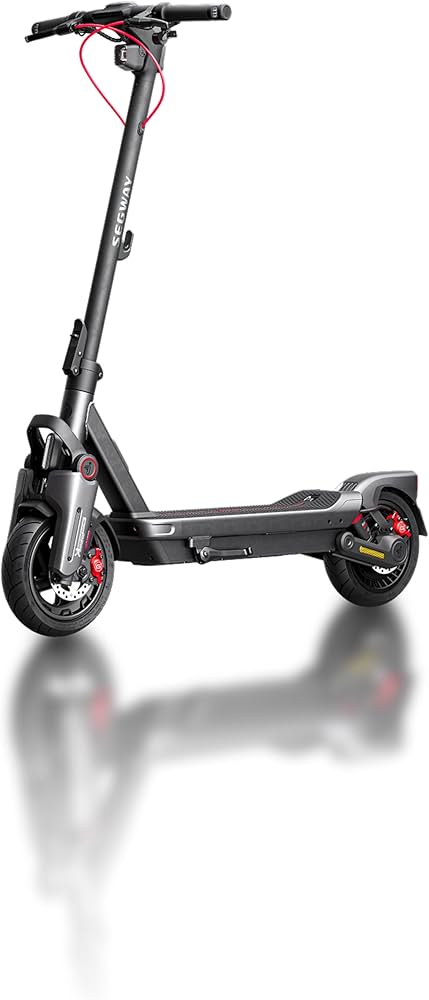
The Segway Ninebot MAX G3 is one of the best Electric Scooter 25 mph models Right now, nobody else in its category checks reliability like the MAX G3 does between 2025 and 2026. When tested uphill on a 10 percent slope, it kept going at 20 miles per hour – something others near its size simply haven’t pulled off. A sudden burst of power arrives through an 850-watt motor, capable of jumping to 2000 watts under demand – this works neatly alongside large 11-inch pneumatic tires. Once speed builds, the ride doesn’t jolt; a user-adjustable suspension keeps things steady.
Most people riding a Electric Scooter 25 mph every day find the balance fair, even if it tips near 46 pounds. Traveling at a steady pace? Thirty-five to forty miles per charge is what shows up most. When cruising near home at twenty-five mph, the range leans toward twenty-five to thirty. The price tag lands close to a thousand bucks, give or take a hundred. This version fits that slot.
Apollo City Pro — Best Electric Scooter 25 mph for Smart Commuters
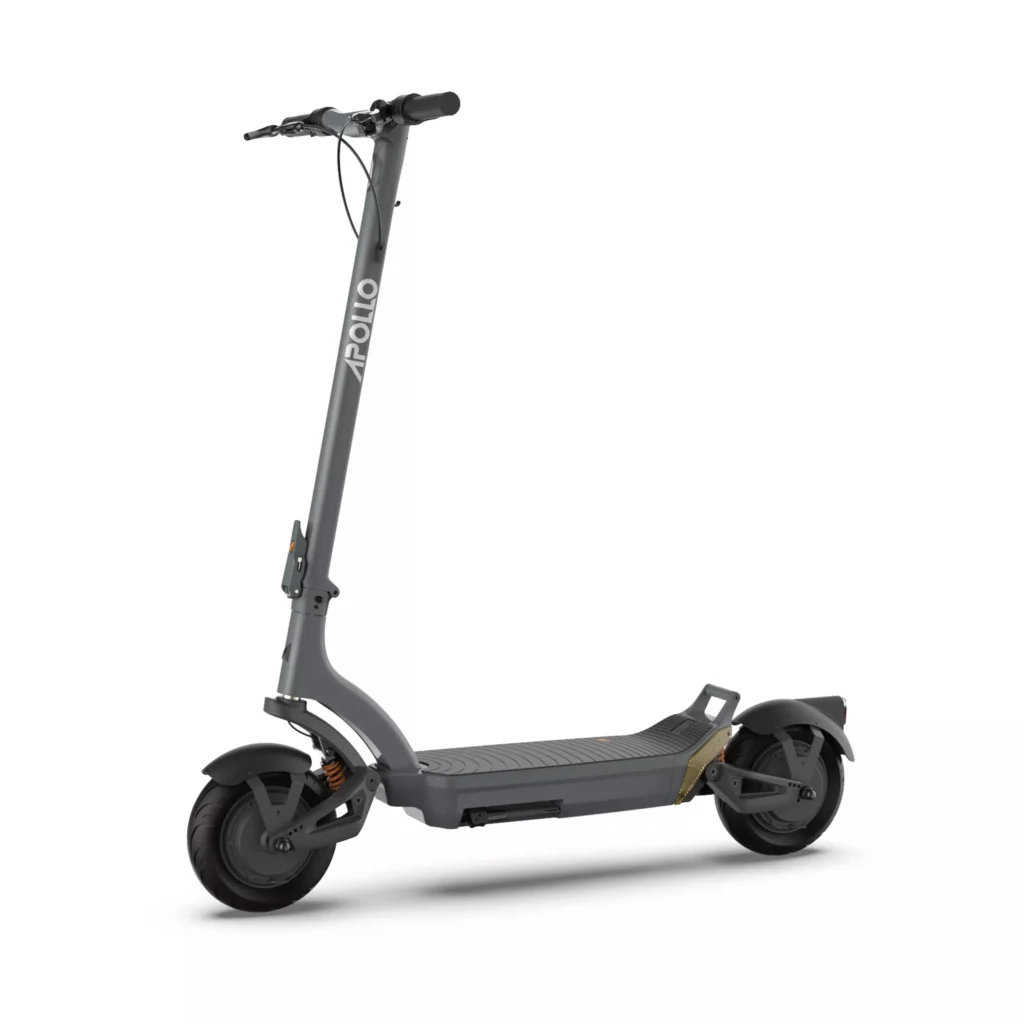
One thousand watts of total power – split across two five-hundred-watt engines – makes climbing steep streets feel smooth where cheaper one-engine bikes struggle. Bumps and cracks get soaked up fast thanks to a three-coil shock system under the frame. Changing how it rides is done through the phone tool, which works more cleanly than most at this level.
At around $1,000–$1,200, it’s a premium buy — but justified for riders with mixed terrain, regular inclines, or a need for precise speed mode management for legal compliance across different zones.
Kaabo Mantis 8 — Best Electric Scooter 25 mph Mid-Range Value
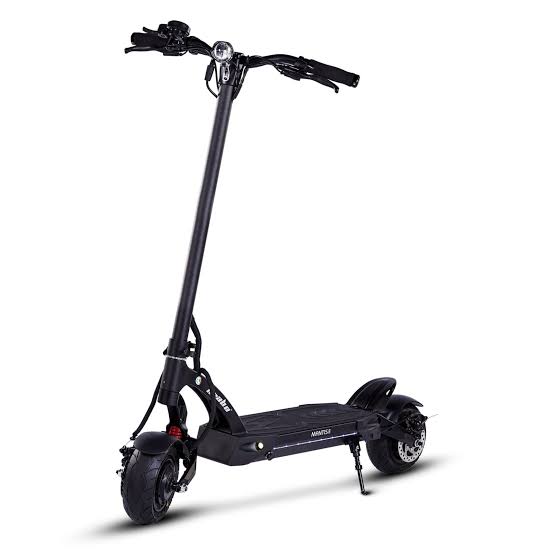
The Mantis 8 flies down city streets like it was born for asphalt. Roads pull it forward, taut and straight beneath towering walls. Motion feels inevitable where concrete runs unbroken. Springs working in pairs team up with a powerful 800-watt engine to keep up with fast movement. Priced between six hundred and seven hundred fifty dollars, it hits twenty-five miles per hour minus fancy extras. Lighter compared to the MAX G3, lugging it onto buses or upstairs takes less effort. Begin near that price point to avoid premium models.
Wobbles creep in at high speeds with eight-and-a-half-inch tires, particularly on uneven pavement – a smaller size means less stability than the 10 or 11-inch models. Bumps hit harder, shaking the ride more than you’d see in bigger setups.
Zero 8 — Best Electric Scooter 25 mph for Portability
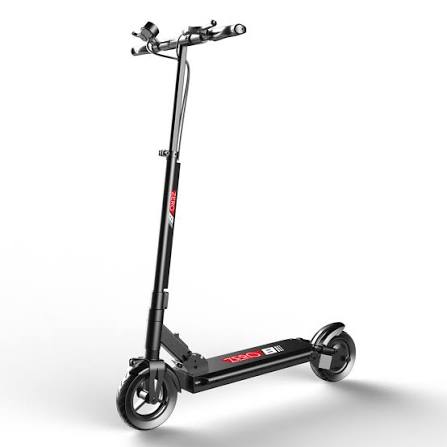
Speed hits 25 mph on the Zero 8 thanks to one 750W engine, though what really catches attention is how light it feels – around 26 pounds. When portability matters, folding down to something you can tote like luggage, this model keeps pace at 25 mph while skipping the heft found in others, where bulk often means 40 to 50 pounds.
Around 25 mph, the reach stays limited – just 18 to 22 miles. Yet if your trip runs under ten, that stretch works fine.
Spec Comparison Table
| Model | Top Speed | Real Range (25 mph) | Motor | Battery | Weight | Price |
| Segway MAX G3 | 28 mph tested | 25–30 mi | 850W (2000W peak) | 48V | 46 lbs | ~$950 |
| Apollo City Pro | 25 mph | 22–28 mi | Dual 500W | 48V | 37 lbs | ~$1,100 |
| Kaabo Mantis 8 | 25 mph | 20–25 mi | 800W | 48V | 36 lbs | ~$700 |
| Zero 8 | 25 mph | 18–22 mi | 750W | 48V | 26 lbs | ~$550 |
Safety Certifications: What to Look For
Hidden inside that tiny sticker on your Electric Scooter 25 mph? Real clues about how safe it really is. When it comes to what counts between 2025 and 2026, just two badges stand out.
Later came UL 2272 – this U.S. standard checks scooters’ power systems, batteries, and chargers. Fire danger, electric shocks, and frame strength – all get examined closely. By 2026, top-end versions usually carry it, and stores plus delivery teams tend to insist on it. Skip models missing this? That choice could backfire quietly.
CE Marking – Every scooter meant for Europe must carry a CE mark. It shows that the product meets strict safety, well-being, and environmental care standards. When buying vehicles for large groups in Europe, that symbol isn’t optional. Skipping it means breaking the system’s requirements. Without it, entry into those markets shuts down.
IP Ratings (IPX4/IPX5) — Water protection levels show how well a device handles moisture. Starting at angles or straight on, splashes won’t matter if it’s rated IPX4. When hoses or heavy spray are involved, IPX5 comes into play. City travel often brings sudden downpours or wet streets – better safe above that mark.
Buying for a Fleet or Business? What Individual Buyer Guides Won’t Tell You
Out here, nearly every piece of content targets regular consumers. Yet those running scooter fleets on university grounds care about durability more than design. Rental companies judge vehicles by uptime, not flashiness. Campus transit teams need support contracts that match academic calendars. Fleet managers weigh charging logistics more heavily than top speed. Guidance built for personal shoppers completely misses these concerns.
For B2B fleet purchasing of Electric Scooter 25 mph, the key considerations differ significantly:
- When scooters move between cities or nations, rules differ. Speed settings must adapt locally. Software inside adjusts limits automatically. Geofencing helps honor city-specific laws. One scooter fits varied regions. Rules change, the tech keeps up. Location triggers speed changes. Compliance stays consistent
- Meeting UL 2272 isn’t optional – insurers expect it before covering any fleet. Without certification, coverage is often denied. While some companies cut corners, most underwriters stand firm on proof of compliance. Since accidents happen, having certified gear reduces exposure to risk. Yet even cautious operators sometimes overlook this detail until claims get rejected. So passing the test upfront saves headaches later.
- A slow fix beats a fast machine every time. When parts are hard to find, even peak velocity means little. Mechanics nearby make all the difference when things go wrong. A long guarantee often counts for more than bursts of speed. Three miles per hour fades next to solid support you can reach by phone.
- Some vehicles trade out batteries instead of plugging in. Heavy-use groups save time this way. Swapping means less hardware parked around the yard. One system skips long waits at power points. Fewer stations sit idle when packs come out quickly.
- Fleet tools plug right into these machines. Starting with Segway, their bikes are built for group use and feature live location updates. Then there is NIU, which outfits its units similarly, locking them down from a distance when needed. One thing stands out: health checks are conducted through digital pathways, feeding data directly to operators. Each piece links up without extra gear.
Out front, Segway’s business arm stands alongside Apollo’s vehicle leasing effort – both reaching companies nationwide with 25 mph models. Few others match their reach in this space.
How to select the right Electric Scooter 25 mph
Working through this in order will save you from the most common buying mistakes:
- Start by looking up the speed rules where you live. Speed rules shift depending on where you are – check what applies near you. Going twenty-five when fifteen is the max might land you in hot water; knowing helps. Think about your usual pace before picking gear. What you ride should line up with how quickly you move most days.
- Start by thinking about how far you travel each day. One-way mileage determines which scooter works best. Hills matter too – how much climbing is involved changes things. The condition of roads or paths plays just as much of a role. Riding over rough ground needs tougher builds. If trains or buses are part of your route, consider portability. Carrying weight becomes key when switching transport modes. Each detail shifts, which option lines up right?
- Match motor to terrain. Flat urban routes: single 800W+ is fine. Consistent hills above 10% grade: dual motors or 1000W+ single. Heavy rider (230+ lbs) on hills: dual motors are non-negotiable.
- Choose the battery voltage based on the consistency requirements. If sustained 25 mph matters throughout your commute, don’t buy a 36V system. Start at 48V.
- Verify independent test data, not manufacturer claims. Range claims are often 40–60% higher than real-world results at top speed. Look for GPS-verified or lab-tested range figures.
- Check certification. UL 2272 (US) or CE marking (EU) as a minimum. IPX5 if you ride in the rain.
- Budget matters more than most think. Below seven hundred dollars means cutting corners – tires might wear fast, brakes could feel weak, battery life may drop off sooner. Between seven hundred and twelve hundred bucks brings solid build quality, perfect for regular city rides. Over 1,200 deliver top-tier parts that last years longer.
Price Ranges by Region
| Region | Budget Tier | Mid Tier | Premium Tier |
| USA | $400–$700 | $700–$1,200 | $1,200–$2,000+ |
| EU | €500–€900 | €900–€1,400 | €1,400–€2,500 |
| UK | £400–£800 | £800–£1,200 | £1,200–£2,000 |
| Australia | A$600–$1,000 | A$1,000–$1,800 | A$1,800+ |
Safety Gear for Electric Scooter 25 mph Riding.
A sudden drop at 25 miles per hour hits much harder than one at 15. Not opinion – just how motion works.
- A helmet should meet either CPSC standards or stick to ASTM F1492 requirements as a baseline. Meeting one of these ensures it’s built for impact. Safety begins here – no exceptions.A full-face is recommended for regular high-speed riding.
- Wrist guards — Wrist fractures are statistically the most common e-scooter injury
- Knee and elbow pads — Strongly recommended at 25 mph
- High-visibility clothing — Especially for early morning or evening rides in traffic
- Front and rear lights — Legally required after dark in virtually every jurisdiction worldwide
FAQ
Is 25 mph electric scooter fast?
Faster than most. Typical electric scooters move along at around fifteen to twenty miles per hour. Twenty-five miles per hour changes everything. At that speed, riding blends into the rhythm of city streets instead of simply crossing them. The focus must tighten as the wheels move faster. Brakes need strength to match momentum. Frames ought to withstand sudden jolts. A helmet becomes less optional. Past rides shape how well someone handles pressure. Higher velocity increases the impact when control slips.
Is Electric Scooter 25 mph the same as 25 km/h for e-scooter laws?
Hold on – that gap matters. A speed of forty kilometers per hour turns into twenty-five miles per hour. In many places, the top speed limit for electric scooters is around 30 kph or less. Fifteen point five mph? That’s barely over 25 kph. Faster than allowed by law – about twice the speed limit – is how fast you’re going at twenty-five miles per hour across much of Europe, Australia, and major areas in Asia.
Can a Electric Scooter 25 mph be driven on the street?
Most streets allow Electric Scooter 25 mph. Rules change depending on the city. Some places treat them like bicycles. Others need registration or special lanes. Always check local traffic laws before riding. Safety gear might be required by law. Fines happen if limits are broken.
Most places say go slow, between fifteen and twenty miles per hour on a motorized scooter. Yet here and there, you might see signs allowing bursts up to twenty-five. Speeds drop when pavement gets busy. Speeds shift depending on where riders roll. While speed rules differ by location, many areas draw the line just below top scooter performance. Michigan stands out by permitting a full 25 mph on streets. In much of Europe, Australia, and parts of Asia, reaching 25 mph exceeds what’s allowed outdoors. Try Eco or Standard settings there instead to stay within the rules.
Do you need a license to drive a Electric Scooter 25 mph?
Most places in America do not ask for a permit. Only six – California, Arkansas, Massachusetts, Missouri, Kansas, and Maine – insist on one. Across Europe, you can ride up to 25 kilometers per hour with power under 1 kilowatt without paperwork. Should local rules label your Electric Scooter 25 mph something else – like a moped – you might need extra approval on your driving record.
Which motor size is the best for a Electric Scooter 25 mph
Besides flat surfaces, hitting 25 mph reliably needs one motor rated between 750W and 800W. When slopes rise past 10%, two 500W units work better – adding up to 1000W – or go with a lone motor exceeding 1000W.
How far does a Electric Scooter 25 mph go on one charge?
Most scooters manage just over half their promised distance when moving fast. Picture one saying 35 miles, but actually reaching only 20-23 if holding 25 mph steady. Slow it down some – around 17 or 18 -, and suddenly you’re pulling off 28 up to 33 on that same charge.
What distance can an Electric Scooter 25 mph cover on a single charge?
Stopping power matters at 25 mph. Roughly 15 to 20 feet of space is enough if the road stays dry. Hydraulic disc brakes handle that job well. Most scooters rely on them for quick stops. Mechanical versions? They’ll need more space – anywhere from 20 to 28 feet. Stopping power drops, distance grows. Rainy conditions make things longer – stop zones grow by roughly one third to half, no matter which brakes are fitted.
Can a Electric Scooter 25 mph go uphill?
True, though how well it climbs depends on the motor. When slopes rise past 8%, a single 500–600W unit begins to drag its feet. A stronger single motor, say 800 watts or more, pushes through inclines up to 10–12% without much protest. Then again, two motors together – totaling at least 1000 watts – keep pace best over long climbs; witness the Segway MAX G3 maintaining 20 mph on a 10% slope during third-party trials.
Does cold weather affect a scooter’s performance at 25 mph?
True. When it gets colder than 40°F, lithium-ion batteries can lose quite a bit – up to one-fifth – of their usable power. Cold slows them down, which means less distance covered and slower speeds at peak output, especially on bikes with 36-volt setups. Warming the pack before heading out helps. So does skipping long stays in icy spots when parked.
How does rider weight affect Electric Scooter 25 mph performance?
Most folks weighing around 165 pounds will hit the top speed listed by manufacturers. Heavier riders, say near 230 pounds, might notice it drops by 3 to 5 miles per hour when riding on level surfaces – especially steeper paths make that drop worse. If you’re heavier than that number, checking out scooters with two motors becomes necessary, especially ones built for weights between 265 and 330 pounds.
What certifications should a Electric Scooter 25 mph have?
Water won’t stop it – IPX5 means ready for rain. Testing wasn’t done by the maker alone; outside labs checked too. In Europe? The CE mark clears it for roads there. In the US, UL 2272 addresses the safety of the power system.
Is Electric Scooter 25 mph fast enough for my daily commute?
Most trips through towns or neighborhoods? That works fine. City driving often crawls at 10 to 18 miles per hour. Moving at 25 means keeping pace with cars, passing bikes, and reaching work ten miles away before half an hour passes. Once roads allow faster travel – over 35 mph – a vehicle or electric bike becomes more practical.
What speed electric scooter should I buy for city commuting?
A ride hitting 20 to 25 miles per hour fits city trips just right. Fast enough to match traffic flow yet stay close to local limits when set properly. Handles small inclines without strain. When the area allows only 15, dialing it down in Eco keeps performance sharp. Even then, its construction often beats models stuck under 30. Speed range shapes durability choices.
How fast do Electric Scooter 25 mph actually go in real conditions?
Top speeds listed by makers come from tests on smooth ground, using a fully charged battery and a lightweight person. When actual riding happens – on uneven streets, with the battery between half and nearly full, plus a regular-sized rider – the pace drops about 10 to 20 percent. So that model labeled “25 mph” tends to run steady at 22 to 24 mph for someone of average build navigating city roads.
The Bottom Line
When real city speeds matter, a Electric Scooter 25 mph keeps up without slowing down. Because it offers solid distance each day, plus parts built to last – no weak brakes, wobbly tires, or shaky power supply. Only downside? If your area limits rides to 15 mph, and you won’t go beyond that anyway. Still, behind the numbers, the stronger engine and longer-lasting battery tend to make these models more dependable. Even under lower limits, performance often makes the cost worth accepting.
Out of everything tested, the Segway Ninebot MAX G3 holds up best when you want one solid ride across speeds and slopes. Not far behind, but easier on the wallet? The Kaabo Mantis 8 hits a real 25 mph without costing thousands. Carrying your scooter every day matters – on that front, the Zero 8 wins by tipping scales at just 26 pounds.
Out on the streets of Austin, pedaling through Amsterdam’s alleys, or cruising Auckland’s hills – first thing, check how fast your area allows. Because once you know that limit, pick a motor strong enough for steep paths or flat stretches. The battery size? That ties right into where you ride most. From those choices, every detail falls into place.
“The information on this website is gathered from industry reports, manufacturer specifications, expert reviews, and trusted sources such as Electroheads to provide accurate and valuable insights for our readers