Teeth bouncing on broken pavement? That jolt tells you exactly why bikes need cushioning. Handlebars digging into palms through bumps – this discomfort shows what happens without give in the frame. Every jarred joint reveals the price paid when there’s nothing to absorb the hit. Riding rough roads bareback makes it obvious: something’s missing where metal meets ground.
Most riders now expect some form of cushioning when riding an e-scooter – comfort matters more than ever. Yet what you often get isn’t true, given in the frame or wheels, just bits of soft material pretending to help. Look closer, and many models only tuck in squishy rings near joints, doing little once bumps appear. These setups barely react when hitting cracks or potholes, leaving jolts to travel straight up through handlebars and deck.
This guide strips away distractions. If your days involve riding through Chicago traffic, tackling bumpy paths in Austin, or managing scooter deliveries across urban areas, what follows covers exactly how to pick smart Electric Scooter with Suspension choices – steering clear of costly errors.
How Suspension Works on an Electric Scooter?
Bouncing less happens when a Electric Scooter with Suspension handles rough ground. Springs or fluid-filled parts let the wheel shift without shaking the rest of the body. Movement from cracks or raised edges gets reduced through clever cushioning tricks. Air pockets do their share too, keeping jolts away from hands and the seat. Riding over sudden dips feels softer because the pieces inside react first.
When the road kicks up, it finds your body fast if nothing soft stands in the way. Every shake runs upward – into knees first, then shoulders, spine last. Bones feel what tires miss. After twenty minutes of riding, fatigue sets in quickly. Joints take constant punishment without giving. Control slips because wheels skip on sharp hits. Once rolling past 15 miles per hour, lifted tires mean danger is creeping in.
If shocks are absorbed by the scooter’s interior, it is safer. A bumpy ride can cause wires to loosen or motors to malfunction. They can also strain them and cause joint weakness. Over time, that wear adds up fast. Smoother motion means less damage. Parts hold together better when they’re not rattled constantly.
The 4 Types of Electric Scooter Suspension and What Works Best
Some suspensions work differently from others. That mistake pops up in many buying guides – treating “suspension” like it means the same thing across models, even though details often stay hidden.
Coil Spring Suspension
When something hits it, a coil of steel squeezes together, then bounces back once pressure lifts. This bounce is usually managed by a simple oil-filled tube that slows the return motion. Tough under stress, needs little attention, works whether hot or cold. You’ll spot these on everyday rides, such as the Segway Ninebot Max G2 and plenty of bikes built for city travel.
A great choice for navigating paved city roads, especially if cost is a concern. Few things beat rolling over even ground when heading out each day, keeping costs low. Tires glide best where cracks are scarce, saving time plus cash along the way.
Hydraulic Suspension
In a sealed space, oil controls the speed of suspension movement more effectively than springs alone. Hitting rough spots feels less jarring because motion flows more easily.- When moving fast or riding over bumpy ground, things shift. Bumps? The Apollo Phantom takes them smoothly, built that way. Whoever rides the Kaabo Mantis Pro, it shifts just for them. Rider weight matters for how smooth it feels. So does the Dualtron line – each model fine-tunes accordingly.
Hard effort on rides? This handles it well. Great for those who weigh more. Ideal when your trip involves a significant daily distance. Works well where paths change often.
Air (Pneumatic) Suspension
Inside some top-tier bikes, air-filled bladders replace metal coils. That setup lets riders adjust stiffness based on load or ground conditions. Smoothness stands out when rolling over rough patches. Pressure checks become part of regular upkeep. Over months, tiny seepage might happen without warning.
Top choice when comfort matters most on longer rides. Built strong for bigger frames and steady speeds. Fits those who want quality without cutting corners.
Rubber Elastomer Suspension
Hold up – this is where things get tricky. Lots of cheap scooters boast “suspension,” but what they actually mean is stiff rubber pads or plastic inserts doing almost nothing against bumps. When roads turn uneven, those pretend parts fail fast. For real comfort, hunt down exact specs. Look for both kinds of Electric Scooter with Suspension and how far it moves – that number matters, measured in mm.
Works well on slick floors – sometimes decides close races when scooters seem matched. Not much help elsewhere.
Front vs. Rear vs. Dual Suspension: Which Configuration Should You Choose?
| Configuration | Comfort | Handling | Weight Added | Cost Premium | Best Use |
| No Suspension | Low | Moderate | None | None | Smooth paths only |
| Front Only | Moderate | Good | +2–4 lbs | Low | City commuting |
| Rear Only | Moderate | Fair | +2–4 lbs | Low | Light trail use |
| Dual (Front + Rear) | Excellent | Excellent | +4–10 lbs | Medium-High | All terrain, long rides |
Front Suspension Importance
In an Electric Scooter with Suspension, the front fork bears it all when the road turns rough impacts from holes, edges of curbs, even hard stops on uneven surfaces- that wheel hits it before any other. Stability in steering gets shielded by the front suspension, making control sharper when dodging through moving vehicles. If there’s room for only a single setup, pick the front without hesitation.
When rear suspension matters most
An Electric Scooter with Suspension uses a cushioned rear setup to soak up most of those jolts. When sidewalks split apart or trails turn rocky, the give in the frame keeps your muscles from tensing nonstop. Long rides – say past twenty minutes – feel less draining when each bump doesn’t rattle your spine. That little flex behind matters more than it looks.
Dual Suspension Considered
Riders looking for an Electric Scooter with Suspension often need dual suspension for bumpy paths. Heavyweight pulls hard on joints once scales hit 180. Bumps turn sharp at speeds beyond twenty mph. Not only do front coils do the work – rear ones join in, sharing the load silently. Each impact spreads across both pairs when roads jolt. Sure, the bike feels heavier – like carrying a bag of tools everywhere. That extra bulk, though? It pays back in fewer jolts to your spine. Comfort stacks up mile after mile. Safety rises when control remains steady amid chaos. Some call it overbuilt. Reality says otherwise once the road turns ugly.
Suspension Travel What Really Counts
How far can a electric scooter with suspension squash down? That distance, in millimeters, is its travel. This number matters more than any other detail. Yet nearly everyone skips looking at it.
| Travel Range | Terrain Match | Rider Profile |
| 0–30mm | Smooth pavement only | Casual / light riders |
| 30–60mm | City streets, minor cracks | Average daily commuter |
| 60–80mm | Mixed urban + rough patches | Heavier riders, longer commutes |
| 80–120mm | Gravel, trails, severe potholes | Off-road enthusiasts |
| 120mm+ | Full off-road, aggressive terrain | Performance / trail riders |
Most scooters say they’ve got suspension. Yet only some really deal with bumps well. Forty millimeters of spring movement soaks up sidewalk cracks much more smoothly. Rubber parts, just twenty millimeters thick, hardly soften the jolt at all. Riding over broken pavement feels rougher when there’s less give underneath. Springs bend gradually where rubber barely shifts. That difference shows fast on New York’s uneven roads. Bumps hit harder when nothing truly cushions them. A real coil responds each time a wheel drops into a dip. Without that flex, every crack sends a shake upward.
Check the paperwork, not just the ads, when hunting down numbers. A missing travel measurement? That detail hiding means trouble.
Who Really Uses a Electric Scooter with Suspension?
Some riders notice changes more than others when they switch to an Electric Scooter with Suspension.The real question is if it lines up with your routes and riding style.
You need suspension if you:
- Commute 3+ miles daily on anything other than pristine pavement
- Heavy enough, and the tremors start to intensify. A bulkier build sends more shake through the system. As size goes up, the sensation follows close behind. Extra pounds push a greater force into motion with every step. Carrying more changes how the body reacts to its own momentum.
- Faster than twenty miles per hour when on a ride. Moving beyond the two-oh mark during travel by bike.
- Now and then, moving your hands can cause soreness in your wrists. Sitting much too long might leave knees slow to bend. The area just above your hips may tighten without warning.
- Start moving through places such as Philadelphia, then shift into areas like Chicago – road conditions change fast there – or head into New York, where surfaces go from smooth to rough without warning.
- Start pedaling on crushed stone tracks instead of pavement. Sometimes switch to dirt routes when possible. Or take the middle way across city spots with patchy ground.
You can skip suspension if you:
- Cruise along smooth trails built just for bikes. Paths stay level and are cared for daily.
- Put lightness first, ahead of everything else.
- Occasionally, go small distances below ten minutes where paths stay even. Smooth ground makes these brief outings easier without hassle. Sometimes, quick moves like this fit well into a calm day.
- Sticking to a tight budget below 350 bucks? That’s tough – solid suspension gear usually kicks in past five hundred. Prices jump fast when durability matters. Most low-cost options cut corners somewhere, often on materials or testing. You might find deals, but performance gaps appear quickly on rough roads. Spending less means accepting limits in response and lifespan. When counting on things to last, fewer options remain standing.
Electric Scooter with Suspension For All Budgets 2026
Low Cost Electric Scooter with Suspension Under 600
Hiboy S2 Pro
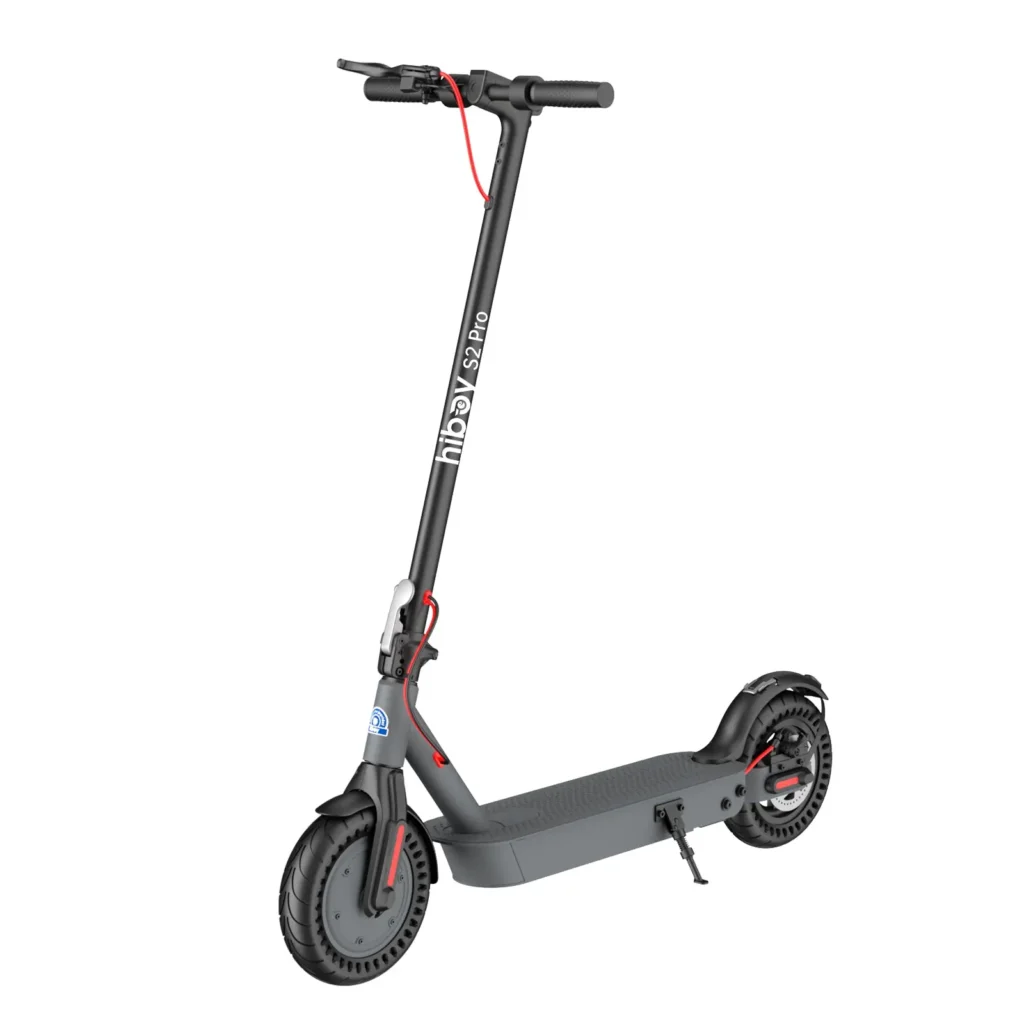
Over rough patches, prices begin around four hundred fifty dollars. The Hiboy S2 Pro rolls through them without a hitch, thanks to its front-spring suspension. The ride stays steady because of coils positioned ahead. Hitting close to nineteen mph, commuting becomes manageable without effort. On full power, travel spans nearly twenty-five miles before needing a recharge. Lighter than thirty pounds, lifting it upstairs doesn’t turn into a chore. Uneven pavement? It rolls through without much complaint.
Small road gaps? The suspension helps tame those jolts. For riders who need comfort but are watching their budget, this one fits right in.
Segway Ninebot E2
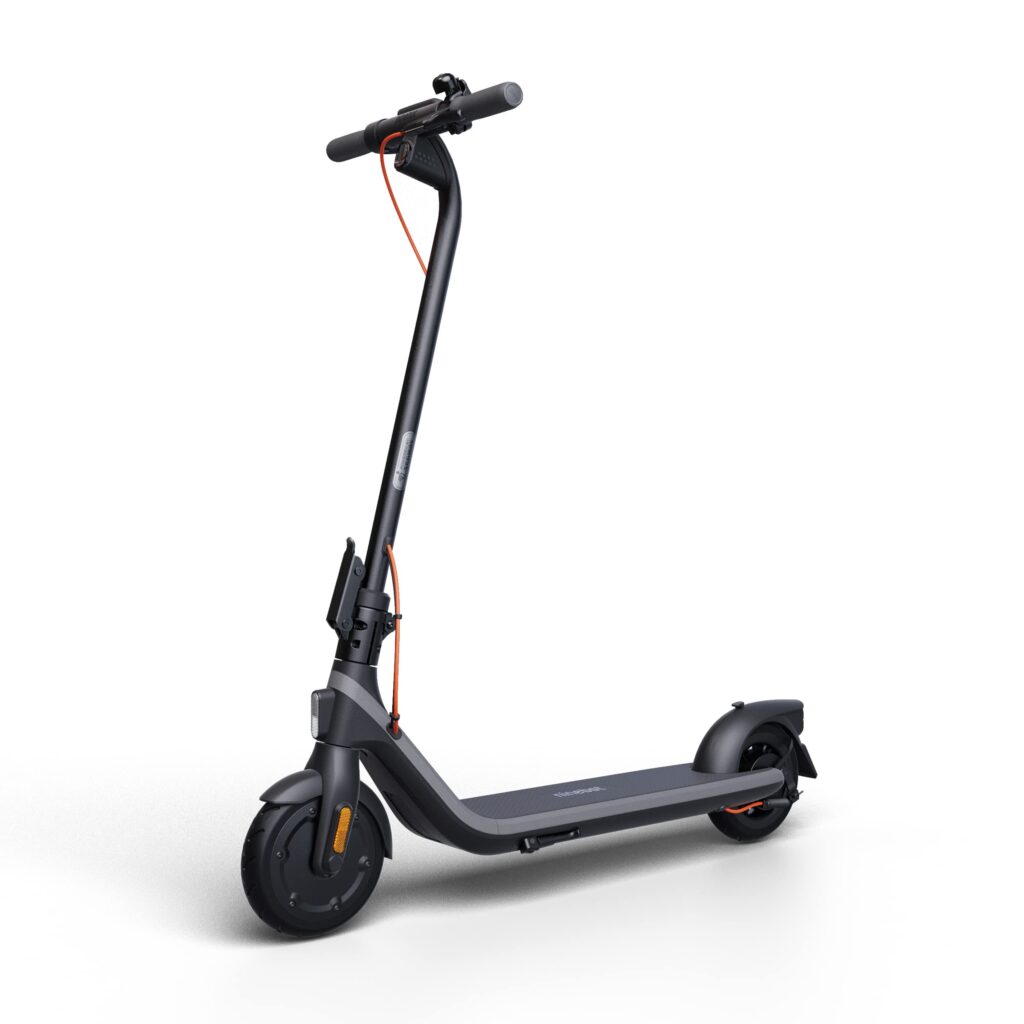
Bouncing over bumps? The Electric Scooter with Suspension is Segway Ninebot E2 Plus handles them okay – costs around three hundred ninety-nine dollars. Its front spring fork smooths out city streets and hits 15.5 miles per hour. Goes about eighteen miles on a charge. Works well if you weigh less, stick to short trips downtown. Rough trails will test its limits, yet it beats stiffer models near this cost.
Mid-Range Dual Electric Scooter with Suspension 600 To 1200
Segway Ninebot Max G2
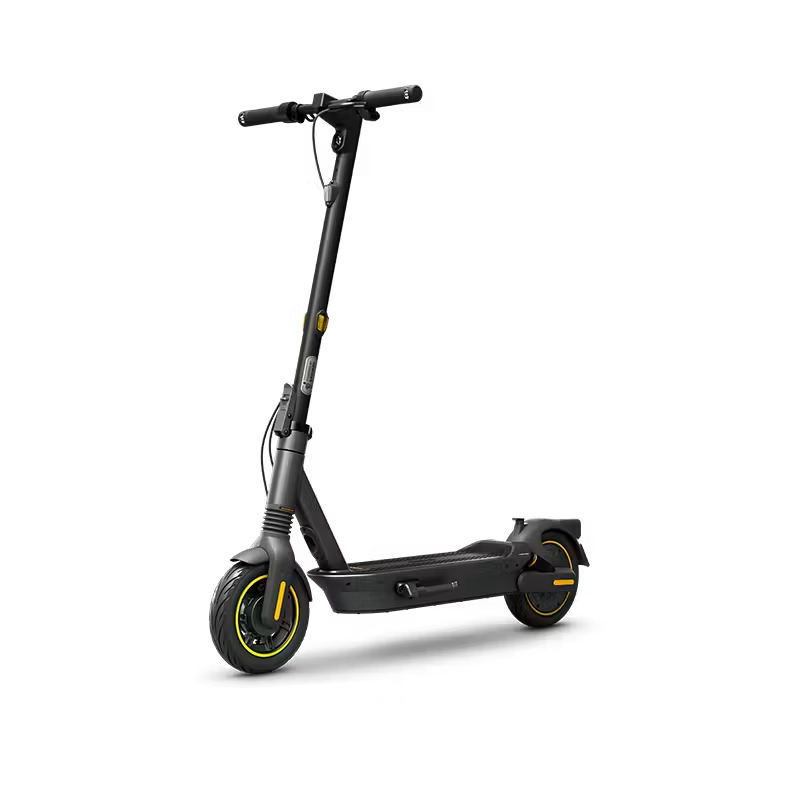
Bouncing over bumps feels less jarring because the front suspension handles cracks and dips on the Segway Ninebot Max G2, priced around 849 dollars. Top speed hits twenty-two miles per hour, with a range close to forty-three miles – plenty for daily riders going far. Among mid-tier e-scooters, few match its range. That stretch between charges is what sets it apart most. Lacks complete dual suspension, true, yet comfort comes through anyway. A big reason? Those ten-inch air-filled tires work alongside the front hydraulics. Together, they soak up road jolts well. Ride feels steady, even on uneven paths.
EMOVE Cruiser S,
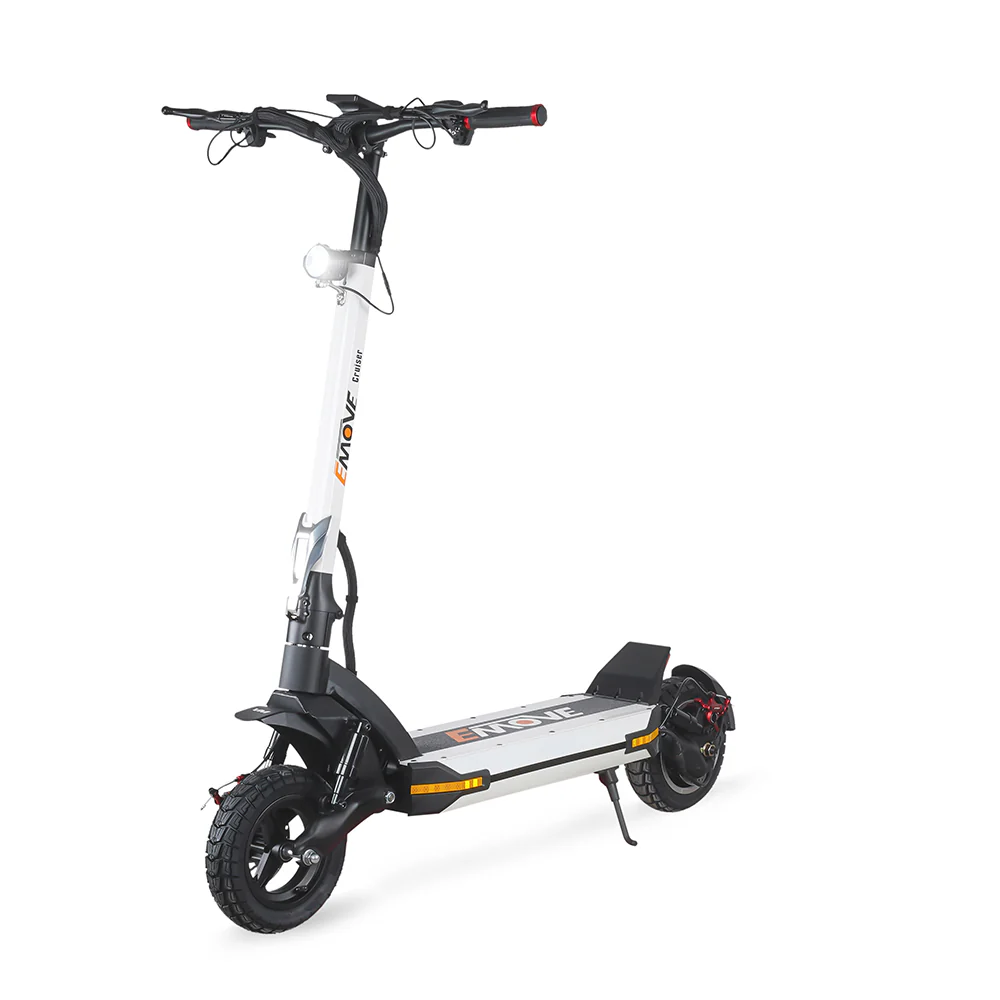
Heavy riders might find most scooters lacking. Not so with the EMOVE Cruiser S, priced around $1,999. Springs up front and back smooth out rough roads. Speed hits twenty-five miles per hour, useful without being extreme. Travel stretches to nearly 62 miles on a single charge – rare at this level. Carries up to 352 pounds, making it stand out from other models. Commuters who log long distances will appreciate that reach. Built tough, yet balanced enough for daily city runs. Few models mix durability and range like this one.
Apollo City Pro
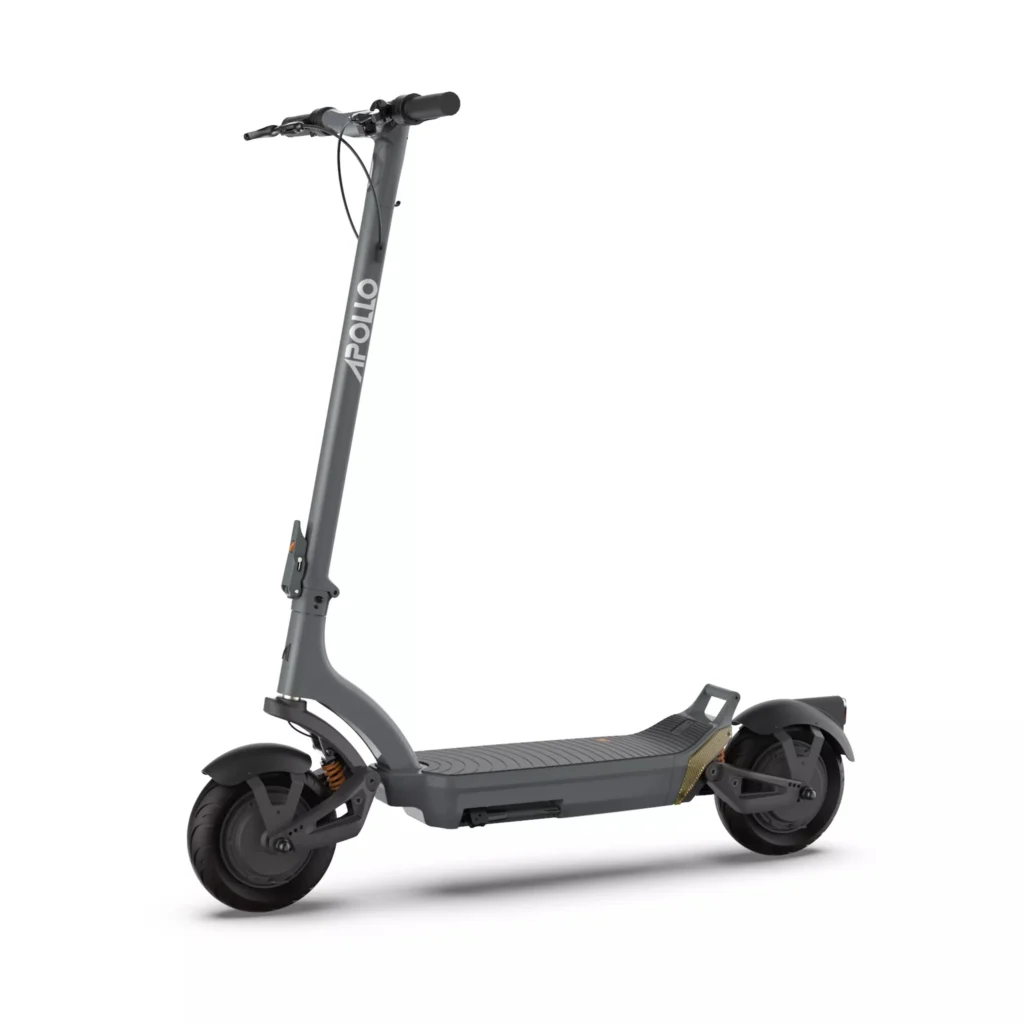
Heavy on comfort, the Apollo City Pro rolls on dual hydraulics rather than basic springs. Hitting speeds near 28 miles per hour feels smooth, thanks to steady damping that adapts well to off-pavement surfaces. The range stretches close to 38 miles under mixed use. Unlike simpler forks, this one holds composure when bumps get unpredictable. Priced around $999, it trades harsh feedback for a calmer ride where it counts.
Best Performance Electric Scooter with Suspension $1,200–$2,500
Kaabo Mantis Pro SE
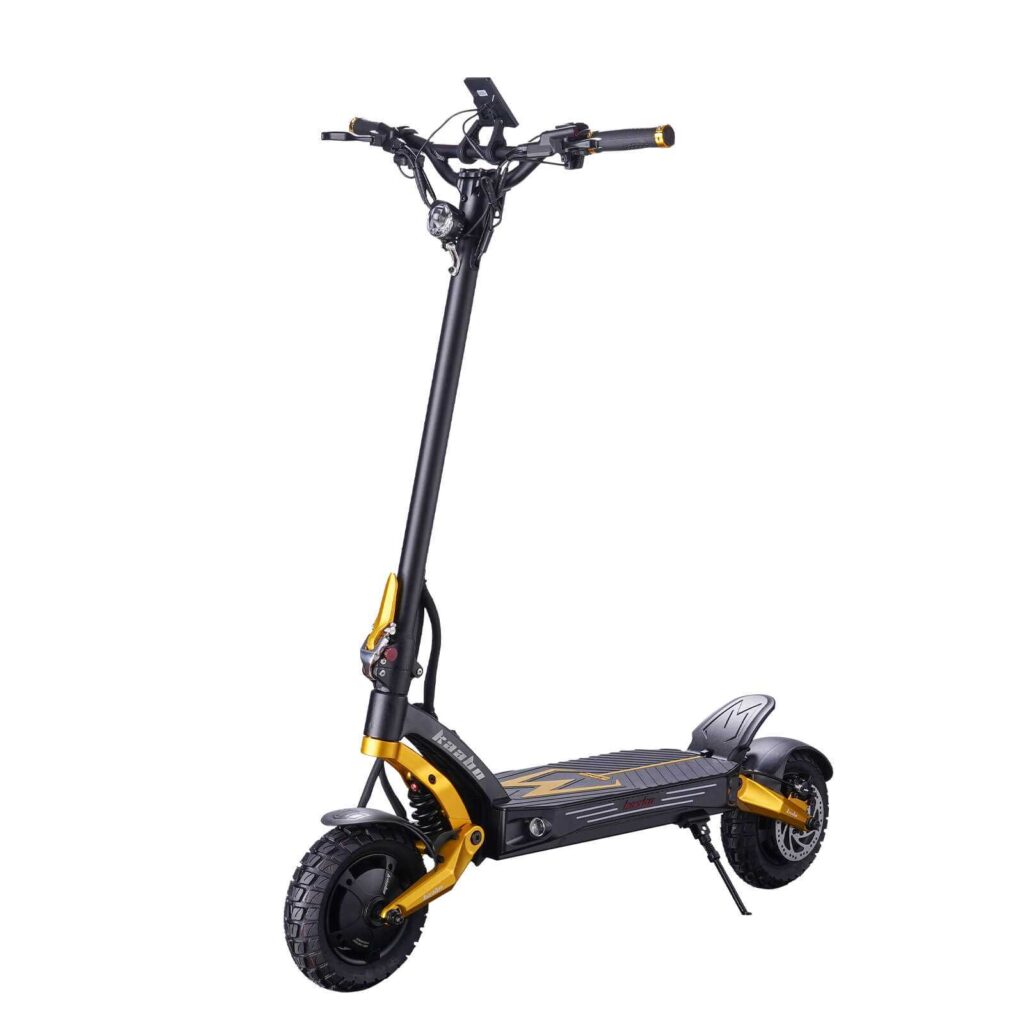
Out there near the $1,700 mark sits the Kaabo Mantis Pro SE – top speed is 40 miles per hour, and it stretches about 45 miles on a charge. Folks who like solid power but aren’t chasing dirt trails tend to lean toward this one. Right from unboxing, the dual hydraulic suspension works smoothly. Mixed surfaces? It takes them in stride, no fuss.
Apollo Phantom V2
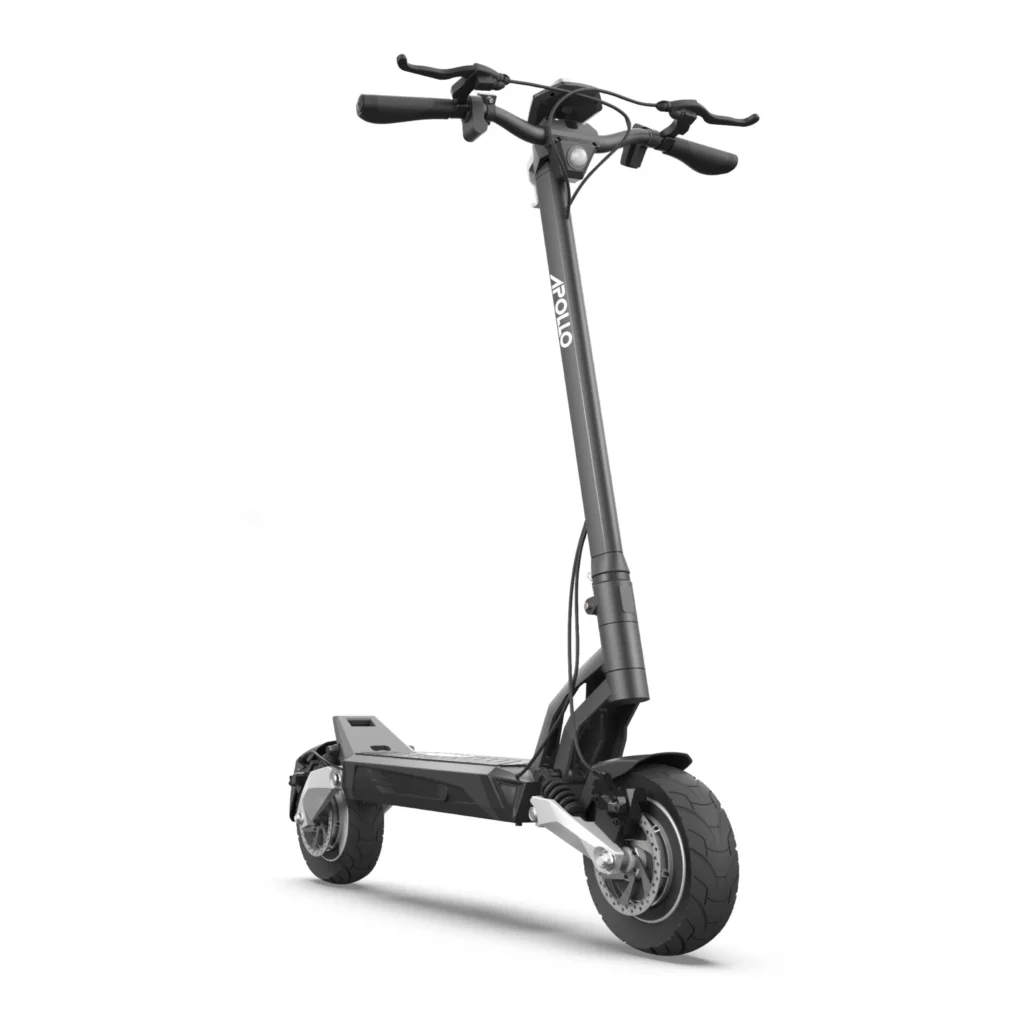
Priced around seventeen hundred ninety-nine dollars, the Apollo Phantom V2 moves quickly – up to thirty-eight miles per hour. Hydraulic suspension front and rear keeps it steady at high speeds, unlike simpler systems found on budget models. Rough roads feel smoother under the wheel thanks to thoughtful engineering. It weighs 77 pounds, balancing portability with stability. Riders seeking strong performance without rough edges might find this one clicks. Forty miles of travel is possible on a full charge, depending on how hard you go. Speed meets control here in ways many overlook until they try it.
Off-Road Heavy Duty Electric Scooter with Suspension Above Two Thousand Dollars
Kaabo Wolf Warrior 11+
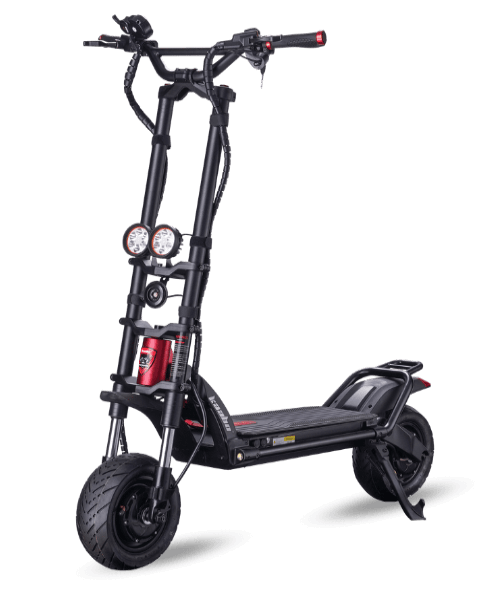
Bumpy paths? the Kaabo Wolf Warrior 11+handles them better than most scooters. Priced around two thousand six hundred ninety-nine dollars, it tackles bumps front and back with smooth hydraulic and coil systems. One hundred twenty millimeters of movement soak up roots, rocks, and drops without harsh jolts. Speed hits fifty miles per hour while the distance stretches close to seventy miles on a charge. Heavy riders up to 330 pounds stay supported. Sidewalk cracks? That’s too easy. It’s built for wilder paths where most e-scooters quit.
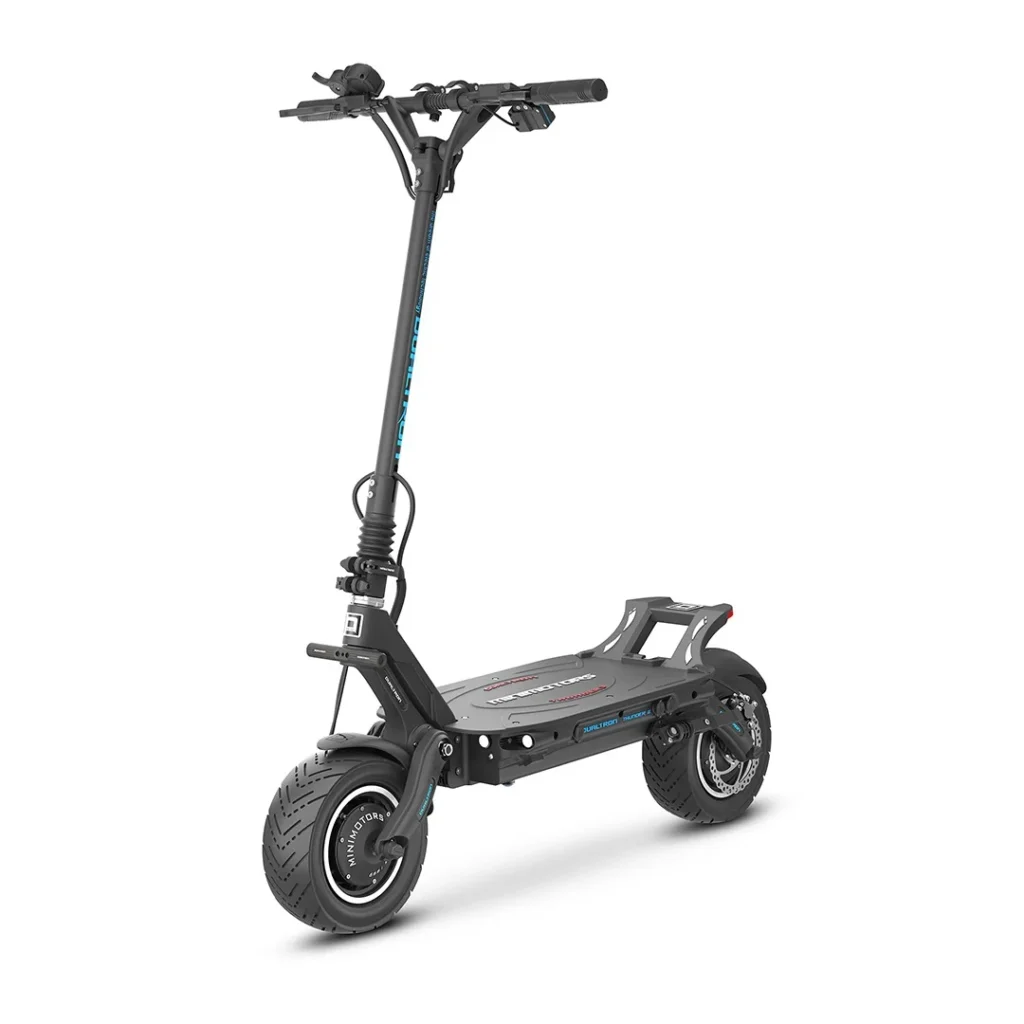
The Thunder 2 by Dualtron is around $3,299. Hydraulic suspension adjusts on both ends, giving control across surfaces. Speed hits 50 miles per hour. Riders can expect about 75 miles per charge. Damping settings change how it handles bumps and load. Tuning matters when weight shifts or trails get rough.
How to Choose an Electric Scooter with Suspension (5-Step Guide)
Step 1: Map Your Actual Terrain
Before choosing an Electric Scooter with Suspension, start by thinking hard about the places you actually go.When pavement turns bumpy, what works on glass-smooth trails falls apart fast. Worst rides matter more than easy ones – they set the real test. Pick settings that survive those moments, not just the smooth spins.
Step 2: Match suspension travel to terrain.
Check the travel guide before you go. Start wide when streets get rough – tires should hit at least fifty millimeters, maybe sixty. Hitting gravel? Think thicker padding right away; eighty millimeters is a solid starting point. Go higher if the ground gets wilder underneath.
Step 3: Factor In Body Weight
Most Electric Scooter with Suspension models come with springs set for average weights. Too heavy for that range, the ride turns harsh fast. Bigger bumps might completely crush the suspension. When over 180 pounds, look for preload tweaks first. Stronger springs help, as do builds meant for heavier loads.
Step 4:Calculate True Range Requirements
Fewer miles come from extra pounds hanging on the frame – suspension brings those. A bumpy ride might feel smoother, yet power drains faster when mass climbs. Picture losing a tenth or so of what the battery promises, next to one without shock helpers. Build in a buffer, since real days differ; add about a quarter, maybe even a third, beyond your longest trip.
Step 5: Set a realistic budget that includes maintenance.
It’s not only about what you pay up front. Every six to twelve months, those who ride daily will face a fork oil change if they’ve got hydraulic suspension – that runs between thirty and eighty dollars each time. Coil spring setups tend to last for years without needing any swaps. With rubber-based systems, there is zero maintenance cost, but the comfort they offer falls short of that of others.
City-by-City Suspension Recommendations (USA)
Your city’s road conditions should directly influence which Electric Scooter with Suspension you invest in.
| City | Main Challenge | Minimum Recommended Setup |
| New York City | Potholes, metal grates, curb drops | Dual hydraulic, 60mm+ travel |
| Chicago | Freeze-thaw damage, harsh winters | Dual suspension + sealed bearings |
| Philadelphia | Brick streets, cobblestone, severe potholes | Dual hydraulic, 80mm+ |
| San Francisco | Steep hills, mixed terrain | Dual suspension + strong rear brakes |
| Seattle | Hills, wet roads, gravel paths | Dual suspension + IP-rated + fenders |
| Los Angeles | Mixed smooth/rough, beach paths, hills | Mid-range dual suspension |
| Austin | Trail access + city mix | Dual suspension or light off-road |
| Houston | Flat but rough asphalt, summer heat | Front hydraulic minimum |
Start your hunt for a suspension scooter by skipping warehouse stores. Instead, try small shops focused only on e-scooters – they often let you take models out for a spin. Most folks get it only after they’ve felt the bump of a curb through handlebars. Start your hunt by searching “[your city] electric scooter test ride” – surprising what shows up. Shops with real pavement time let go of the keys fast, if you ask right. Riding one is how guesses turn into knowing.
Common Suspension Buying Mistakes to Avoid
- Trusting the word “suspension”: Could “suspension” fit your title best? Wait – check what lies beneath before deciding Specs missing? Then, likely just rubber bumpers doing the work. Type and travel both unclear? Count on flex blocks, not real shocks.
- Pairing suspension with solid tires: Bouncing is reduced when air tires meet a soft suspension. Air inside tires soaks up bumps without help. Put the suspension together with those air cushions; that setup works best. Combine firm rubber wheels with shock absorbers – both lose value somehow. When rigid wheels roll without any give underneath, rough ground feels even harsher.
- Buying off-road Electric Scooter with Suspension: Heavy scooters built for trails? They struggle in cities. Picture lugging a ninety-pound machine up three floors after work. That kind of ride fights your routine instead of fitting it. Choose gear that follows how life actually moves.
- Skipping hydraulic maintenance: Most folks ignore hydraulic upkeep. Old oil means fork seals start to fail. That issue, known as fork fade, brings weaker damping. Compression happens fine, yet rebound nearly stops. Bumps turn shaky, ride quality drops fast. Handling gets loose, response drags behind.
- Ignoring weight limits: Heavy loads sneak up on you. That number on the sticker? It shapes how the suspension behaves, not just keeps things safe. Push past it too often, and wheels start responding more slowly, parts wear out faster. The system works best when it stays within its intended boundaries.
Electric Scooter with Suspension: What You Need to Do and When
| Task | Frequency | How |
| Visual check for fork leaks | Every ride | Look at stanchion tubes for oil weeping |
| Clean stanchion tubes | Monthly | Soft cloth; remove grit before it enters seals |
| Check bolt torque (fork crown, axle) | Monthly | Torque wrench to manufacturer spec |
| Test suspension sag | Monthly | Measure compression under your standing weight; target 25–30% of travel |
| Fork oil change (hydraulic) | Every 6–12 months (daily use) | 10wt or 15wt fork oil; shop-recommended for first service |
| Full suspension inspection | Annually | Shop service preferred |
Most Electric Scooter with Suspension owners tend to overlook when they need new fork oil. A quick fix, really – local repair spots often finish within sixty minutes – yet waiting too long brings slow handling and weak responsiveness. Forks start to stick. Performance dips without warning. Simple maintenance prevents months of worsening issues down the road.
Need New Suspension or Just Better Tires?
Buying an Electric Scooter with Suspension trips up plenty of folks. yet, truthfully, on certain days, a smarter set of tires covers nearly all the ground you need while barely touching your wallet.
Big wheels filled with air, especially ones ten inches across, soak up bumps surprisingly well. Comfort comes naturally when riding a Segway Ninebot Max, even without back suspension – those 10-inch pneumatic tires handle rough sidewalks smoothly. Most city travelers find the ride agreeable, thanks to how the thick rubber cushions each jolt. Riding feels steady because the air inside the tires spreads impact evenly.
Bumps hit harder when they’re big. Bumps hit hard when only rubber cushions the fall. When a dip appears suddenly, springs handle it more smoothly than any balloon tire. Sharp ridges? Dampers take the sting out much more effectively.
Bouncing is less common when two types of shock absorption work together with pneumatic wheels. Yet when money matters, go for a stiff-frame model but make sure it rolls on big air tires – it handles city streets just fine most of the time.
FAQ
Does Electric Scooter with Suspension reduce a range?
Most scooters carry a bit more heft when they include suspension parts. That extra mass, between 3 and 12 pounds, means the motor has to work harder. Because of this added demand, power drains faster than on models without shock absorption. Battery capacity remains unchanged, yet most riders cover about 10-15% fewer miles. Performance shifts when weight changes. Because of this, lighter loads sometimes stretch each charge. Expect slightly shorter trips even if the power source is identical.
Can you add suspension to an electric scooter later?
Built-in suspension isn’t common on scooters.
Sometimes you can fit one later using third-party parts made for common designs. When the tube size matches, upgrades might work. Still, options are few. Putting it on yourself takes know-how. Doing so usually cancels any manufacturer’s guarantee. Starting with a model already equipped beats retrofitting nearly every time.
What type of Electric Scooter with Suspension is best for heavy riders?
Heavy riders need strong support. For those above 220 pounds, a dual hydraulic setup works well – especially when it includes adjustable preload. Look for models built to carry 265 pounds or more. Heavy loads? No problem. This one supports 352 pounds – EMOVE Cruiser S takes the lead. Close behind, Kaabo Wolf Warrior 11+ manages 330. Same job, less weight capacity. Built tough, but not oversized. What counts shows up right where it needs to – underfoot.
How often should Electric Scooter with Suspension be serviced?
Every day out on the bike means fresh fork oil every half year, sometimes stretching to one full year. Riding now and then, maybe weekly, pushes the timeline closer to eighteen months. When the ride feels sluggish or sticks during squish, it might already be too late. Oil showing up on the smooth metal legs of the forks? That’s a clear hint. Damping that drags instead of snapping back says maintenance waited long enough.
Is suspension worth paying extra for?
Most people who ride every day will feel the difference. Bumps and cracks in the road become easier to handle when there’s extra padding along the way. Paying an additional two hundred to four hundred dollars could feel like too much right away. Still, gentler movement cuts down physical stress during long drives. Higher speeds feel calmer because the tires stay firmly planted. Vibrations eat away at parts inside – fewer jolts help everything last. Frames stay stronger. Electronics survive longer. That kind of reliability adds up after months of daily use.
What is the ideal suspension sag for an electric scooter?
Standing on your scooter squishes the suspension a bit. That squish is called sag. It shows how much the spring gives under your normal weight. Start around a fourth of the way along the fork’s path, maybe slightly more. Take 60 millimeters of travel – somewhere from 15 up to 18 is where it lands. Not too deep, just shy of the start. Not enough give hints at springs too firm. Too much suggests they are weak, risking harsh hits during hard bumps.
Which is the best brands for Electric Scooter with Suspension?
When it comes to trustworthy suspension setups, Apollo stands out alongside Kaabo – both deliver steady results across pricier models. Performance seekers often point to Dualtron thanks to its fine-tunable hydraulic setup. Commuter versions from Segway-Ninebot may keep things basic, yet they hold up reliably at the front end. Riders above average weight might find that EMOVE, also known as Voro Motors, has built its system with extra load in mind.
Final Thoughts: Matching Suspension to Your Real Life
The right Electric Scooter with Suspension for bumpy streets might cost less than you think. What matters more than price tags is how well it handles cracked sidewalks. Some models absorb shocks better when carrying heavier riders. Distance traveled per charge means little if the path has steep hills. Comfort depends on seat height just as much as tire size. Spending extra time won’t fix a poor fit for daily routes. Value shows up where performance meets personal needs.
Most days spent weaving through traffic? A bike with twin hydraulic dampers, near nine hundred bucks, tends to pay off well. When carrying matters more, then lighter models – rolling on proper air-filled wheels – tackle flat routes without dragging down your arms. Heavy suspension fades in usefulness where smooth sidewalks stretch ahead.
Picture where you’ll ride first. Go by how much suspension travel fits your path. Make sure it can carry your weight. Pick one priced right that clears those marks.
Start by taking one out for a spin when possible – nothing beats feeling how it handles on familiar roads. Look up local shops that sell e-scooters, particularly if you live in a large urban area where smooth shock absorption matters most.
“The information on this website is gathered from industry reports, manufacturer specifications, expert reviews, and trusted sources such as Electroheads to provide accurate and valuable insights for our readers