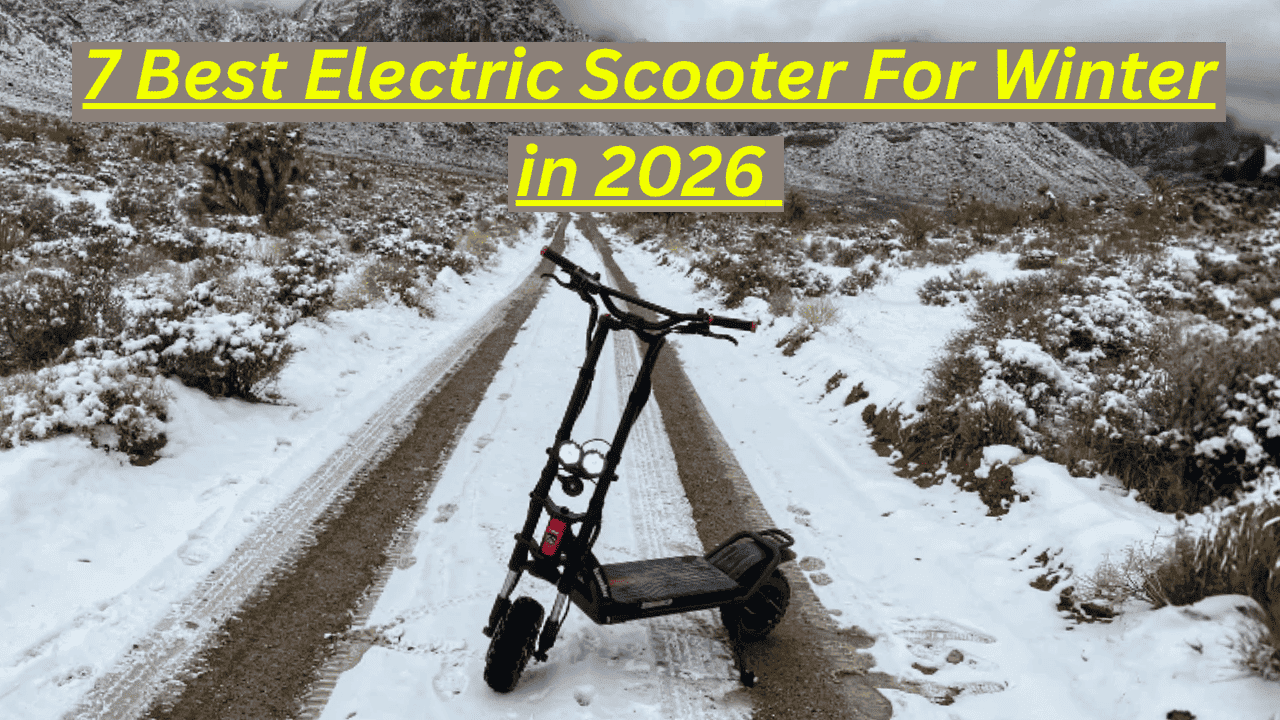
Imagine it’s 7 AM, temperatures are chilly outside, the bus has been delayed, and your electric scooter is just there. It’s not about whether or not you’d like to take a trip — but rather, if you’re going to.
There isn’t one straightforward yes or no. It’s based on the specifications, the conditions on your roads, as well as your understanding of the impact that cold weather can bring to your bike. If you do it right, you’ll ride comfortably even in snow, rain, and cold, subzero mornings. Wrong moves might leave you stranded when your battery dies mid-ride. Ice can make the back wheel slip without warning. Salt on streets may eat away at the frame over time.
Quick Answer: Can You Ride an Electric Scooter in Winter?
Yes, an electric scooter for winter can be used safely but under real conditions. An IP54 or higher scooter equipped with pneumatic tires and disc brakes can handle snow, rain, and temperatures down to -10 °C (14degF). Expect a 20–50% range loss. Temperatures below -15°C are the hard limit for all consumer models.
How Does Cold Weather Affect Electric Scooter Performance
Why Lithium-Ion Batteries Lose Power in Cold Temperatures
Lithium-ion batteries work by moving lithium ions through liquid electrolytes. As temperatures decrease, however, the electrolyte thickens, slows ion flow, and internal resistance increases; all leading to lower voltage output regardless of what appears on its display screen.
The greatest risk is that of lithium plating. When charging at a temperature below zero degrees Celsius (32degF), the lithium gets coated on the electrode as metal, rather than being integrated in a proper way. This is permanent and irreparable. Every cold-charge cycle reduces maximum capacity in a way no software upgrade can fix.
How Motor Output and Speed Change in the Cold
Hub motors handle cold better than batteries, but they’re not invincible. Cold thickens bearing lubricants, increasing mechanical drag. You’ll notice:
- Slightly lower speed during the first few minutes
- Slightly more energy consumption at startup
- Occasional sluggishness in initial acceleration while the motor warms up
Cheaper scooters with minimal hub seals are more prone to water and slush infiltration from road spray — making IP rating critical for the whole scooter, not just the battery.
Why Your Range Drops — And by How Much
| Temperature | Approximate Range Reduction |
| +5°C (41°F) | –10 to –15% |
| 0°C (32°F) | –20 to –30% |
| –5°C (23°F) | –30 to –40% |
| –10°C (14°F) | –40 to –50% |
| Below –15°C (5°F) | Unpredictable — do not rely on |
When riding at temperatures as cold as 0 °C, your scooter’s maximum distance rating could drop by 22-28 km in cold weather. When planning winter routes, always add 40% range buffer.
How Braking Performance Changes in Winter
- Hydraulic disc brakes — Best for winter. Self-adjusting, reliable in cold and wet conditions.
- Mechanical disc brakes — Acceptable. Check cable tension periodically, as cold causes contraction.
- Drum brakes — Avoid entirely in winter. They absorb water and lose grip rapidly.
Regenerative braking — Dangerous on ice. Regen transfers sudden brake force to the rear wheel with no slip detection, causing immediate rear-wheel skid. Set regen to minimum in winter.
How Tire Pressure and Traction Are Affected
Pneumatic tires lose approximately 1 PSI per -10°C temperature drop. A tire at 50 PSI in October may operate at 44–45 PSI in January, reducing cornering grip and increasing rolling resistance. Check and adjust tire pressure weekly in winter — it takes two minutes and directly impacts safety.
Is It Safe to Ride an electric scooter for winter?
When It IS Safe to Ride
- Road is wet but free of snow and ice
- Temperature is above -10°C (14°F)
- Scooter is rated IP54 or better
- Pneumatic or self-healing tires with disc brakes on both wheels
- Good visibility — daylight or bright front/rear lighting
- Speed reduced 30–40% from normal
When You Should NOT Ride
- Any visible ice on your path — including black ice at 0°C or less after rain
- Active snowfall with road accumulation
- Temperatures below -15°C (5°F)
- Scooter IP rating below IP54
- Battery below 25% in cold — voltage drop can strand you mid-journey
Why Regenerative Braking Is Dangerous on Ice
When regen activates — via throttle release or a dedicated lever — it transfers braking torque from the motor directly to the rear wheel. Unlike ABS, most scooters have no slip detection. The rear wheel locks in under a second. On ice, this means an instant fall with no recovery time.
Solution: Disable or minimize regen intensity in icy conditions. Use mechanical brake levers with light, gradual pressure. Give yourself 3–4 times your normal stopping distance.
Ride vs. Don’t Ride Decision Framework
| Condition | Decision |
| Light rain, above 2°C, IP54+ scooter | ✅ Ride — reduce speed 20% |
| Heavy rain, above 2°C, IP54+ scooter | ⚠️ Ride cautiously — reduce speed 30% |
| Slush, 0°C to –5°C, disc brakes | ⚠️ Main roads only, 40% speed reduction |
| Frost on surfaces, near 0°C | ⚠️ Only if roads confirmed gritted or salted |
| Visible ice anywhere on route | ❌ Do not ride |
| Active snowfall | ❌ Do not ride |
| Below –15°C | ❌ Do not ride |
| Battery below 20% in cold | ❌ Do not ride — range collapse risk |
What to Look for in an Electric Scooter for Winter
IP Rating — What You Actually Need
| IP Rating | Protection | Winter Suitability |
| IP44 | Splashing from any direction | Light drizzle only |
| IP54 | Dust-resistant + splashing water | Rain and wet roads ✓ |
| IP65 | Dust-tight + low-pressure water jets | Heavy rain + puddles ✓ |
| IP67 | Dust-tight + 1m submersion | Slush and standing water ✓✓ |
Note: IP ratings are tested with clean water in labs. Real winter riding involves road salt, grit, and calcium chloride — far more damaging. Regular cleaning is essential to maintain IP protection through the winter.
Minimum requirement: IP54. IP65 or IP67 preferred for daily wet/snowy commutes.
Brakes: Disc vs. Drum in Wet and Icy Conditions
| Brake Type | Wet Performance | Winter Verdict |
| Hydraulic disc | Excellent — self-adjusting, modulated | Best choice |
| Mechanical disc | Good — periodic cable adjustment needed | Acceptable |
| Drum brake | Poor — loses grip when wet and cold | Avoid |
| Regen braking alone | Dangerous on slippery surfaces | Never as primary brake |
Tires: Pneumatic, Solid, Self-Healing, and Studded
- Pneumatic (air-filled) — Best grip on slippery roads. Small puncture risk from salt-damaged debris.
- Self-healing pneumatic — Pneumatic grip with built-in liquid sealant. Great all-season option (standard on Segway MAX G2/G3).
- Solid/foam-filled — No puncture risk, but considerably less grip on ice and wet surfaces.
- Studded tires — Metal studs for massively improved grip on compacted snow and ice. Available in select 10-inch sizes. Legal and popular in Scandinavia. Switch back in the spring.
Motor Power electric scooter for winter rider
- Flat urban commutes: 500W is sufficient
- Hilly terrain in winter: 750W minimum, 1,000W+ preferred
- Dual motor: Best for winter — distributes torque across two wheels, reducing single-wheel slip risk on ice
Always use Eco or Standard mode in winter. Turbo/Sport modes cause rapid throttle response — exactly what you don’t want on slippery surfaces.
Best Electric Scooters for Winter (Updated 2026)
Segway MAX G3 — Best Overall electric scooter for winter (~$850)
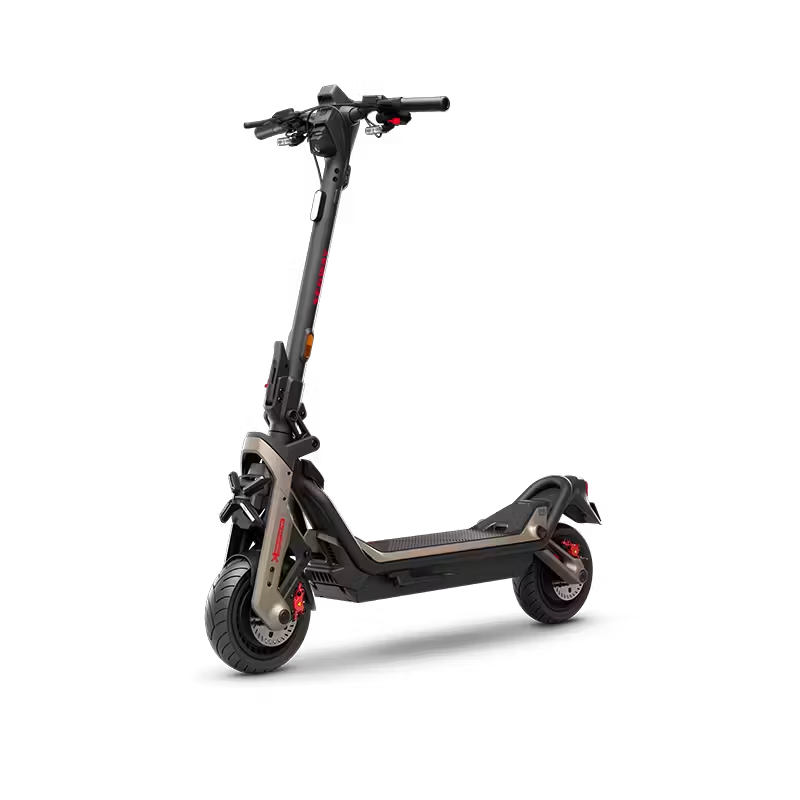
Winter riding gets easier with the Segway MAX G3 – it handles damp streets well thanks to sealed defenses and smart safety touches. Rain hardly matters since the IP55 shield blocks splashes and steady drizzle just fine. Grip improves dramatically through 10-inch air-filled tires that fix small leaks on their own. Braking stays strong even when roads are slick, using both front and back discs along with energy-recycling slowdown tech. Tough frame, consistent behavior, cold mornings – none seem to slow this model down much at all.
Segway MAX G2 — Best Value electric scooter for winter (~$799)
Starting strong where value meets snow-ready strength, the Segue MAX G2 stands out. Built tough with splash resistance marked at IP55, it handles wet streets well. Bumps smooth out thanks to front and rear shock absorbers working together. Pneumatic tires fix small punctures themselves over time, reducing downtime. Grip improves when surfaces slick up, all due to its traction tech underfoot. Rainy mornings or chilly commutes become less risky because of these traits. Few models offer this mix without a steep cost jump.
Apollo City — Best Urban electric scooter for winter (~$1,499)
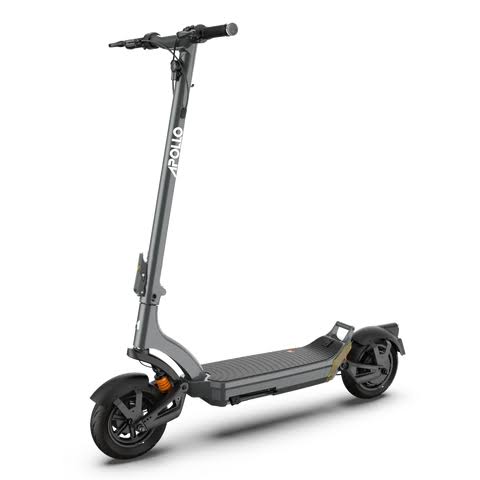
Out in the rain, the Apollo City keeps going without fuss. Built tough, its insides stay dry thanks to an IP66 shield against water. Hydraulic disc brakes bite just right when roads turn slick. Pneumatic tires fix small punctures themselves – no extra work needed. Control stays sharp even through downpours. Throttle moves feel natural, never jerky or delayed. Seams across the frame are shut tight, blocking moisture from sneaking in. Winter rides? Slush and damp won’t slow it much. Cold air bites, but the machine pushes on. Rain-heavy cities find a solid match here.
Apollo Phantom V3 — Best Performance electric scooter for winter (~$1,999)
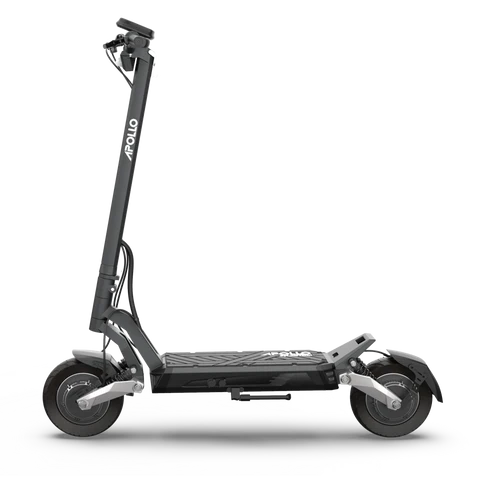
Out there among e-bikes, few match the Apollo Phantom V3 when cold weather hits and strong output matters. Twin motors drive it forward while hydraulic discs ensure solid stopping, no matter how slick things get. A high-grade suspension softens bumps, working alongside a rugged chassis built to stay steady on cracked, snow-covered streets. Choose Eco Mode, then notice how gently the energy flows – less skidding, more grip under your wheels. This one suits seasoned riders pushing through icy commutes, month after freezing month.
EMOVE Cruiser V2 — Best Long-Range electric scooter for winter(~$1,099)
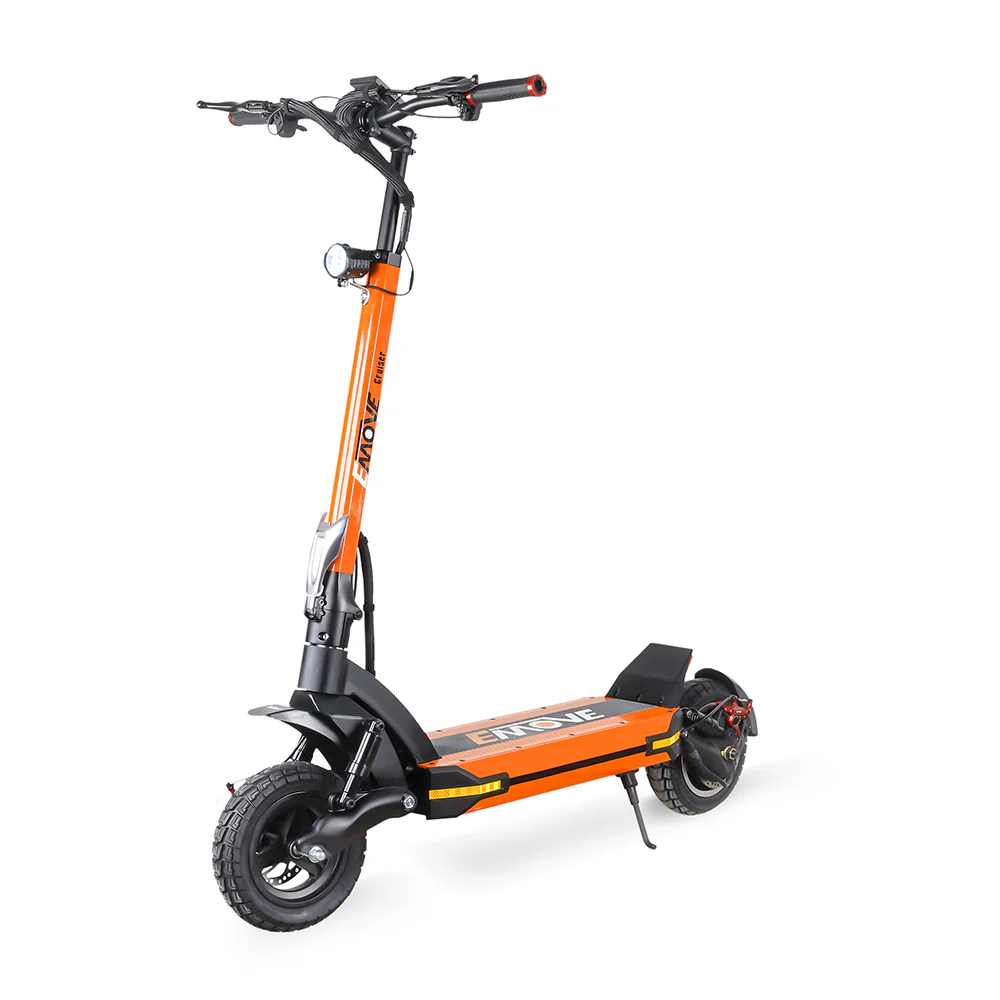
Winter rides get easier with the EMOVE Cruiser V2, built for those chasing distance when temperatures drop. Tough against moisture, it packs a big battery that lasts, uses thick 10-inch air-filled tires, sits you in a relaxed posture mile after mile. Not as fast as two-motor models, true, yet its strength lies in how far it goes and how well it handles wet, icy streets day in, day out. Reliability stands out here, especially when skies turn gray and roads stay damp.
Kaabo Mantis King GT — Best for Hilly Winter Routes (~$1,700)
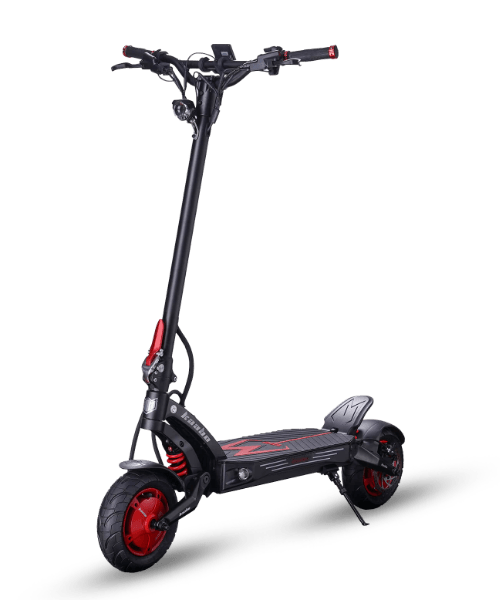
Starting off with a punch, the Kaabo Mantis King GT suits those tackling sharp inclines or rough ground often. Twin 1000W engines team up with hydraulic disc brakes to grip tough slopes firmly. Thick tire treads bite into pavement even when damp or dusted with snow. Handling gets tricky if surfaces slide out, yet steady behavior rewards skilled users in cold months. Power holds firm where others might falter, standing tall among serious e-scooters for icy paths.
Winter Scooter Comparison
| Model | Water Resistance | Brakes | Tires | Best For |
|---|---|---|---|---|
| Segway MAX G3 | IP55 | Disc Brakes | Self-Healing Pneumatic | Best Overall |
| Segway MAX G2 | IP55 | Disc Brakes | Self-Healing Pneumatic | Best Value |
| Apollo City | IP66 | Hydraulic Disc | Self-Healing Pneumatic | Urban Commuting |
| Apollo Phantom V3 | High Weather Protection | Hydraulic Disc | Pneumatic | High Performance |
| EMOVE Cruiser V2 | High Water Resistance | Disc Brakes | Pneumatic | Long-Range Riding |
| Kaabo Mantis King GT | IP54 | Hydraulic Disc | Pneumatic | Hilly & Snowy Roads |
How to Ride Safely in Winter
Step 1 — Pre-Ride Inspection (Under 3 Minutes)
- Check tire pressure and adjust for temperature drops (-1 PSI per -10°C drop)
- Pull both brake levers — feel for consistent, progressive force without sponginess
- Turn on all lights (front, rear) and check display brightness
- Clean the deck — wet grip tape loses Traction rapidly
- Check temperature: 0°C or below after rain = black ice risk
Step 2 — Adjust Your Riding Technique
- Accelerate at 50% throttle from a stop — never full throttle in winter
- Begin braking 3x sooner than on dry roads
- Apply both brakes simultaneously, gradually and progressively
- Keep weight evenly distributed over the deck — minimize body lean in corners
- Set regen to minimum to prevent unexpected rear wheel lockup
- Avoid sudden lane changes or direction shifts
Step 3 — Managing Visibility in Short Winter Days
- Front light: 600+ lumens, constant beam slightly angled downward
- Rear light: Flashing mode is more visible to drivers than solid red
- Jacket: Reflective or high-vis elements — the single most effective visibility upgrade
- Helmet: Apply reflective tape to the rear if not already present
Step 4 — Post-Ride Routine (Most Riders Skip This)
- Clean frame, deck, brakes, and folding joint immediately — don’t let salt dry on the bike
- Pay attention to brake calipers and cable entry points — salt accumulates in crevices
- Bring your scooter inside. Never leave it in a cold garage overnight.
- Wait 30–45 minutes before charging to let the battery warm up
- Leave the charging port cover open briefly to allow trapped moisture to evaporate
Protecting Your Scooter Against Winter Damage
How Road Salt Causes Corrosion — and How to Prevent It
Road salt (sodium chloride and calcium chloride) is more damaging than rain alone. Salt solution on aluminum frames creates a microscopic electrolytic cell — the aluminum acts as an electrode and corrodes slowly. Contact with steel bolts or brake parts accelerates galvanic corrosion further.
One unmanaged winter can cause frame pitting, a frozen folding joint, damaged brake cables, and damaged electrical connectors.
Prevention:
- Clean after every ride in salty conditions. Never let salt dry on the bike.
- Apply dielectric grease to electrical connections before winter begins
- Use silicone-based lubricant on folding joints, stem latch, and brake cable entry points for optimal operation.
- Prior to the start of every season, you should consider spraying a corrosion inhibitory spray (ACF-50 or similar) on your frame to offer additional corrosion protection.
Waterproofing Key Components Before Winter
One-time prep at the start of the season:
- Inspect the charging port cover — replace if cracked or loose
- Apply fresh dielectric grease to motor connector plugs
- Check that battery compartment gaskets are intact
- Seal any manufacturer-listed access points with silicone tape if you ride in heavy slush regularly
Weekly Maintenance Checklist
- Inspect and adjust tire pressure
- Wipe frame, deck, and brakes — remove salt before drying
- Test brake lever feel and responsiveness
- Confirm all lights are working
Monthly Maintenance Checklist
- Lubricate folding latches and stem with silicone lubricant
- Inspect brake cables for fraying near ferrule entry points
- Check wheel bearings for roughness or play
- Reapply dielectric grease on exposed electrical connectors
Storing and Charging in Cold Weather
Where and How to Store Your electric scooter for winter
Avoid leaving your electric scooter for winter outside in unheated environments during winter, even those rated IP67 could experience seal and bearing wear as well as battery stress due to prolonged subzero temperatures.
- Store indoors at 15–22°C (59–72°F)
- Avoid direct heat sources like radiators — they stress the battery housing
- If not riding for more than one week, keep battery charged between 40–80%
if indoor storage is impossible, a weatherproof cover reduces moisture and salt air exposure
Warming Up the Battery Before Charging
Charging a lithium-ion battery below 0°C (32°F) causes permanent lithium plating damage — reducing capacity irreparably and, in serious cases, creating dendrites that can cause internal short circuits or thermal runaway. Most chargers provide zero temperature protection. It’s up to you.
- Bring the scooter indoors
- Let it rest at room temperature for 30–45 minutes (60 minutes if below -10°C)
- Do not accelerate warming with a hairdryer or by placing it near a radiator
- The battery housing should feel close to room temperature before plugging in
Keeping a Backup Plan for Range Anxiety
- Plan every winter route with a 40% range buffer over your actual needed distance
- Identify charging points along your regular commute route
- Keep battery between 40–80% for daily winter use — reduces cold-related voltage stress
- If your model supports a removable battery, carry a charged spare on the coldest riding days
Choosing a Scooter That Can Handle Winter
A Winter-Ready Option — NAVEE ST3 Pro
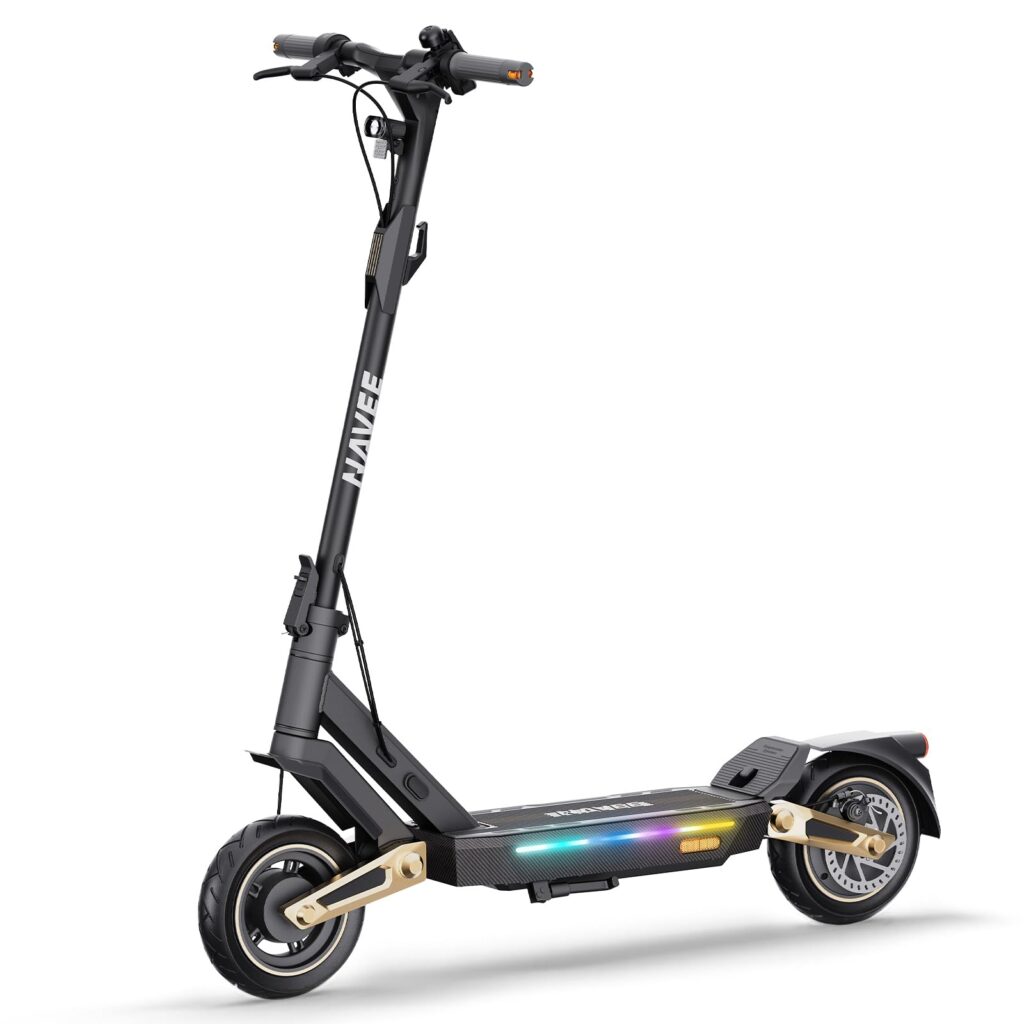
Winter rides get easier thanks to careful design choices showing up across more e-bikes now. The NAVEE ST3 Pro includes touches like sealed frame joints, an IP55 shield against dust and water, plus 10-inch air-filled tires that grip better on snow. Inside, the battery housing is shaped for colder climates – keeping things running when temps drop. Most days, this one keeps up just fine for regular commutes without the steep price tag. Head to NAVEE’s main webpage if you need the precise details on what the 2026 model includes before choosing.
Step-By-Step Tips For Riding In Winter
A condensed reference for riders who want the quick version:
- Pre-ride: Check pressure, brakes, lights — every single time
- Dress right: Waterproof gloves, high-vis jacket, full-face or chin-guard helmet
- Reduce speed: 30–40% slower than your dry-road pace
- Brake early: Start 3x earlier, both levers, progressively
- Disable regen: Set to lowest setting or off on icy roads
- Post-ride: Wipe down salt immediately, bring inside, wait 30–45 minutes before charging
- Weekly: Check pressure, clean salt deposits, test brakes and lights
- Never: Charge a cold battery, ride on visible ice, leave the scooter outside overnight
electric scooter for winter Riding by Region
Northern Europe (Norway, Sweden, Finland, Denmark)
Temperatures from -5°C to -20°C. Regular salting and sanding. Studded tires are legal and widely used. IP65+ recommended. No consumer scooter is suggested below -15°C.
Canada (Toronto, Montreal, Vancouver)
Vancouver: mild and rainy — IP54+ handles most conditions. Toronto and Montreal: Due to heavy snowfall combined with calcium chloride de-icers that damage aluminum frames aggressively, ideal riding periods in these cities would be October – December or March-April for optimal conditions. January–February requires daily condition analysis.
United Kingdom
Generally cold and wet rather than genuinely freezing. England and Wales rarely drop below -5 °C; Scotland sees more real ice events. IP54+ with disc brakes handles most UK winter conditions. Salt corrosion from gritted roads is the primary risk — regular post-ride cleaning matters more than freeze protection.
United States (Northeast, Midwest, Pacific Northwest)
Chicago regularly sees -10°C to -20°C. New York and Boston are milder but experience a real winter. The Pacific Northwest is rain-dominant — wet leaves can be as slippery as light ice. Owning a winter-capable scooter is the optimal solution for year-round commuters.
Central Europe (Germany, the Netherlands, Belgium)
Mostly cold and wet (0°C to -5°C) with minimal ice. The Netherlands maintains excellent cycling infrastructure year-round. IP54+ with disc brakes is adequate for most conditions in this region.
Does Winter Riding Affect Your Warranty?
Most manufacturer warranties include language prohibiting damage from ‘misuse,’ ‘abnormal conditions,’ or ‘environmental factors’ — and the scope of these terms varies widely by brand and country.
Check your warranty for:
- Whether riding in rain or wet conditions is explicitly prohibited
- Whether cold temperature damage is covered
- Whether corrosion or rust is excluded (it usually is)
- Whether IP ratings are referenced as part of warranty coverage
Practical steps to protect yourself:
- Photograph your scooter’s condition before and after each winter season
- Keep a basic maintenance log with dates
- In the EU and UK, consumer rights law often provides more coverage than the box warranty
Best electric scooter for winter Accessories
| Accessory | Purpose | Approx. Cost |
| Handlebar mitts (neoprene) | Warm hands without losing throttle feel | $15–$40 |
| Waterproof grip tape | Footboard traction in wet conditions | $10–$20 |
| Add-on front light (600+ lumens) | Safe visibility in winter darkness | $25–$60 |
| Rear flashing light | Be seen from behind by drivers | $10–$25 |
| Dielectric grease | Protect connectors from salt corrosion | $8–$15 |
| Waterproof phone mount | Navigation in low-visibility conditions | $20–$40 |
FAQ
Q1: Can I ride in the snow?
Light snow on cleared roads is possible with an IP54+ scooter, pneumatic tires, and disc brakes at reduced speed. Deep snow, packed ice, and black ice present a serious risk for consumer scooters. Studded tires offer some improvement against snow but do not eliminate all risk from black ice formation.
Q2: How much range do I lose in winter?
Expect 20-30% reduction at 0 °C (32degF), and up to 50% below -10 °C (14degF). Plan all winter routes with an added 40% range buffer in mind. Never rely on manufacturer range ratings in cold weather.
Q3: Does winter riding damage my scooter?
A properly rated scooter won’t be damaged by winter riding itself. However, failing to remove road salt regularly will. Salt corrosion is a major source of damage over time. A regular post-ride clean and dielectric grease applied to connectors helps prevent all winter-related damage.
Q4: Can I charge immediately after a winter ride?
No need. Bring the electric scooter for winter inside for at least 30 – 45 minutes prior to charging, as charging below 0 °C will lead to irreversible lithium plating damage, which radically decreases battery capacity.
Q5: Will winter riding void my warranty?
Your brand and your country’s consumer protection laws may dictate. Check your warranty to identify restrictions related to water damage, corrosion, or cold-temperature battery damage. EU and UK legal rights typically provide more coverage than manufacturer warranties. Document your maintenance.
The information on this website is gathered from industry reports, manufacturer specifications, expert reviews, and trusted sources such as Electroheads to provide accurate and valuable insights for our readers