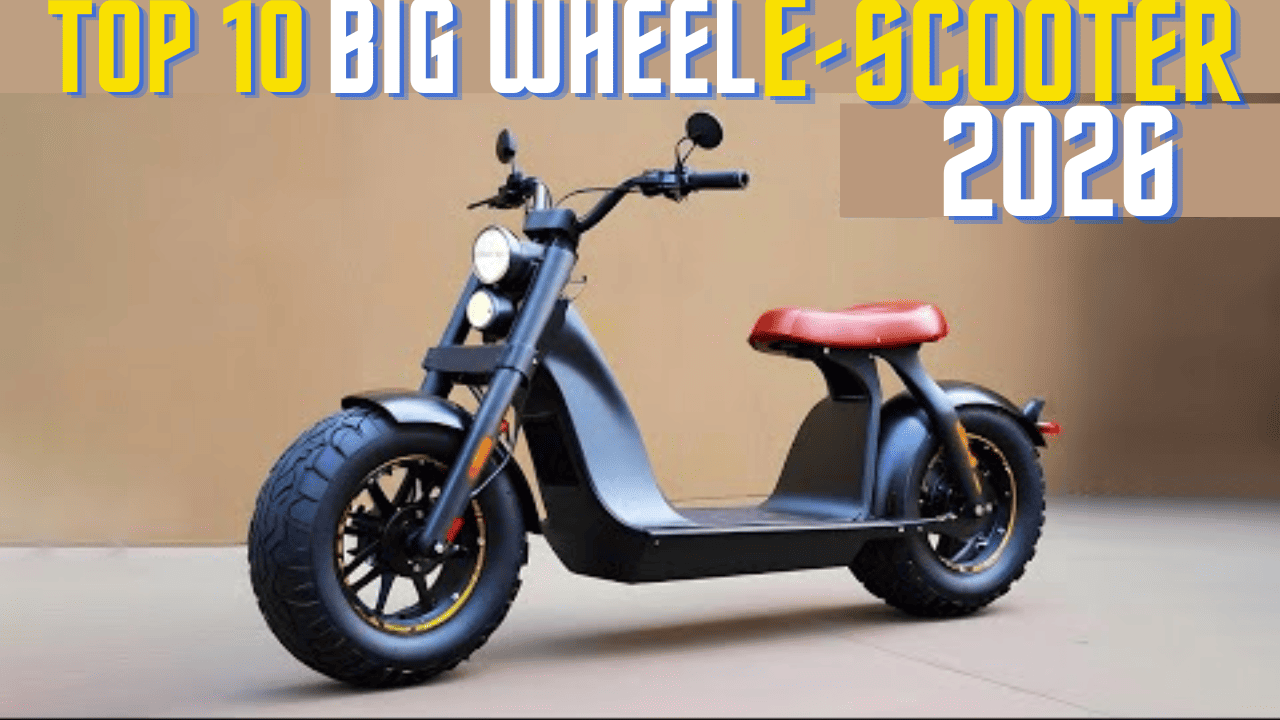
Larger tires define a big wheel electric scooter, usually ten inches across or more – far bigger than the six and a half to eight and a half inch rims seen on basic city scooters. Because of their size, these wheels shift the entire ride experience: bumps hit softer, high-speed wobbles ease up, and confidence grows when rolling over cracked sidewalks or uneven driveways.
Starts with a bump. Hitting a crack on a Big Wheel Electric Scooter sends a shock right into your hands. That moment explains everything. Big Wheel Electric Scooter change how it feels. They roll over bumps instead of jumping at them. The difference comes down to basic motion rules. A larger diameter means less vibration. Not everyone needs this shift. Some riders notice comfort right away. Others see little change. Before choosing, look closely at the details. Check age fit. Weight limits matter too. Tire type plays a role. Where you are affects safety labels. Standards differ across regions. Labels might say EN71, ASTM, or something else entirely.
What Defines a Big Wheel Electric Scooter?
What counts as big varies, leaving many buyers puzzled. One brand might call an 8.5-inch wheel large, yet data from real-world tests shows most scooters run smaller than 10 inches. So when a tire reaches 10 inches or more, it truly breaks out of the usual range.
Most folks find that things really begin at around ten inches when picking one of these. Some eleven to thirteen-inch versions are built for rougher trails, heavier cargo, or longer journeys. These handle more demanding conditions without slowing down.
Quick reference:
| Wheel Size | Category | Typical Rider |
| 6.5″–8.5″ | Standard/compact | Light commuters, short trips |
| 10″ | Entry big wheel | All-around daily riders |
| 11″–12″ | Heavy-duty big wheel | Heavier riders, mixed terrain |
| 13″+ | Off-road/performance | Enthusiasts, dirt and gravel riding |
why Big Wheels Feel Smoother on Rough Surfaces
Comfort isn’t just a slogan. Real science backs it up. Grasping how it works beats unquestioning belief every time.
Every time a wheel hits something – a gap, maybe a stone – the tilt needed to get across changes with the size of the Wheel. Bigger wheels touch that bump at a gentler angle, letting them glide rather than snag. Smaller ones strike the same spot head-on, almost straight up. That sharp lift explains why tiny scooters lurch when rolling over cracks or little rocks.
Wider wheels mean more tire surface meets the pavement, right where it matters. Because of this, gripping power improves when speeding up, slowing down, or turning – even if the ground is slick or uneven underfoot.
Yet here’s something many reviews tend to overlook. Bigger rims add rotating weight, so more power is needed to spin them up. Some call it the “tax on twist,” explaining why slapping Big Wheel Electric Scooter on a compact design won’t deliver equal pickup. Right from day one, the drivetrain, electronics, and stoppers must match the rim dimensions. Engineered together – that’s how it works.
Some people feel it right away when they start moving: power builds slowly before picking up. Yet speed climbs later once rolling. If hopping through city stops matters most – think light-to-light dashes instead of open road cruising – weigh that heavily from the start.
can you Putting Larger Wheels on Your Existing Scooter?
Folks ask this more often than you might think – truth is, it’s better if you don’t.
Most scooters work best when parts match their original design. Changing to bigger wheels shifts how the handlebars tilt during turns. Brakes face more pressure because they must stop heavier spinning weight. The engine might struggle because it now has to push against an unbalanced setup.
Starting with a larger wheel means better results when the whole design follows suit. A build made for big wheels handles things smoother than slapped-together fixes. Instead of forcing changes later, pick something shaped right from the start. Designs born with bigger rims avoid the weak points added parts bring. Choosing purpose-built beats modifying what was never meant to change.
Pneumatic Honeycomb or Solid Tires: What Big Wheel Scooters Actually Use
Comfort isn’t just about how large the Wheel is; what it’s made of plays an equal role. Big Wheel Electric Scooter usually fit within just three categories.
Pneumatic (air-filled) tires absorb shock the best of the three, making them the gold standard for ride comfort. The downside is they can puncture and need occasional pressure checks.- Honeycomb (airless) tires use a foam or polymer lattice instead of air, so there’s no flat-tire risk, with comfort that comes close to pneumatic without the maintenance.
- Solid rubber tires are the most maintenance-free option but transmit more vibration, making them a less common choice once you move into true big-wheel territory.
If your riding involves rougher pavement, gravel, or longer distances, pneumatic or honeycomb tires in the 10-inch-plus range will outperform solid tires every time.
Who a Big Wheel Electric Scooter Is Actually For
Just because a scooter has big wheels doesn’t mean it’s right for every rider. It shines only under certain conditions.
You’ll likely benefit from a Big Wheel Electric Scooter if you:
- Walking each day over broken pavements, then shifting to bumpy cobbles, sometimes hitting uneven dirt paths
- Once the weight goes past 220 pounds, sturdier support is needed. Heavier frames demand firmer support underfoot. Stability matters most when the load increases. A lighter setup might falter where a tougher one holds firm. Built for endurance, some platforms handle higher weight capacity without bending.
- Starting strong means finishing stronger when trips stretch past five miles. Tiredness creeps in more slowly if the ride supports your pace. Every extra mile adds up, yet feeling fresh matters most near the end. Long distances test endurance, but comfort helps you carry on. Reaching farther should not drain you completely. What you experience at the finish line is dependent upon the decisions you made prior to the beginning.
- Are you looking for a secure, confident, and stable feeling? faster speeds?
- Sometimes you will go on rides over dirt, gravel, or even grass
Small wheel scooters may be best for you if:
Ride short distances to nearby places. Comfort takes a back seat on journeys of less than 2 miles. Sometimes it is better to skip the car. Moving slowly lets you notice more. Fewer seats mean fewer choices matter. Small steps add up without extra effort.
Big Wheel vs. Small Wheel: A Direct Comparison
| Factor | Big Wheel (10″+) | Small Wheel (6.5″–8.5″) |
| Ride comfort | Smooth, absorbs bumps well | Stiffer, transmits road vibration |
| Stability at speed | High | Lower, can feel twitchy |
| Acceleration | Slightly slower off the line | Quicker initial response |
| Portability | Heavier, bulkier | Lightweight, easier to carry |
| Maintenance (pneumatic) | Occasional tire checks | Same, if also pneumatic |
| Typical price | Higher | Lower |
| Best for | Mixed terrain, longer rides, heavier riders | Short, smooth-surface commutes |
One size doesn’t fit all here. Choosing depends on how you ride – your daily route, your weight, not just which model shouts higher numbers.
Top 10 Big Wheel Electric Scooter (2026)
From actual road tests, these picks stand out. Bigger wheels – think 10 inches or more – help smooth out bumps. Power comes through strong motors that keep pace without strain. Suspension systems effectively soak up cracks and curbs. Each has proper safety marks showing it meets standards. They deliver solid performance without stretching your wallet, no matter the price tier.
Hiboy VE1 PRO — Best Big Wheel Electric Scooter Overall
Wheel Size: 16-inch pneumatic | Motor: 500W | Top Speed: 23 mph | Range: ~31 miles | Price: ~$600–$700
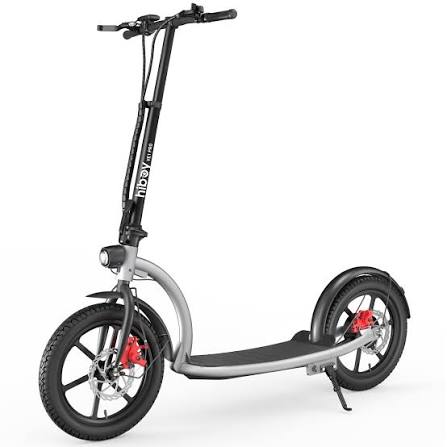
The biggest wheels here belong to the VE1 PRO – 16-inch air-filled wheels that roll smoothly across rocky paths and uneven stones, thanks to their smooth ride over bumps. Power comes from a 48V/10Ah pack, offering a solid range between charges, while rear-wheel drive sharpens grip when cornering or braking hard. Stopping feels secure thanks to two disc brakes working together. At nearly 49 pounds, it folds down, yet lifting it often grows tiring. Holds UL2272 certification. Best suited for city riders after a plush glide without spending too much.
EMOVE RoadRunner Pro — Best for Performance Riders
11-inch wheel size dual motor setup with 350-watt front and 500-watt rear, reaching up to 34 miles per hour, with a range of around 40 miles, priced between 1400 and 1600 dollars
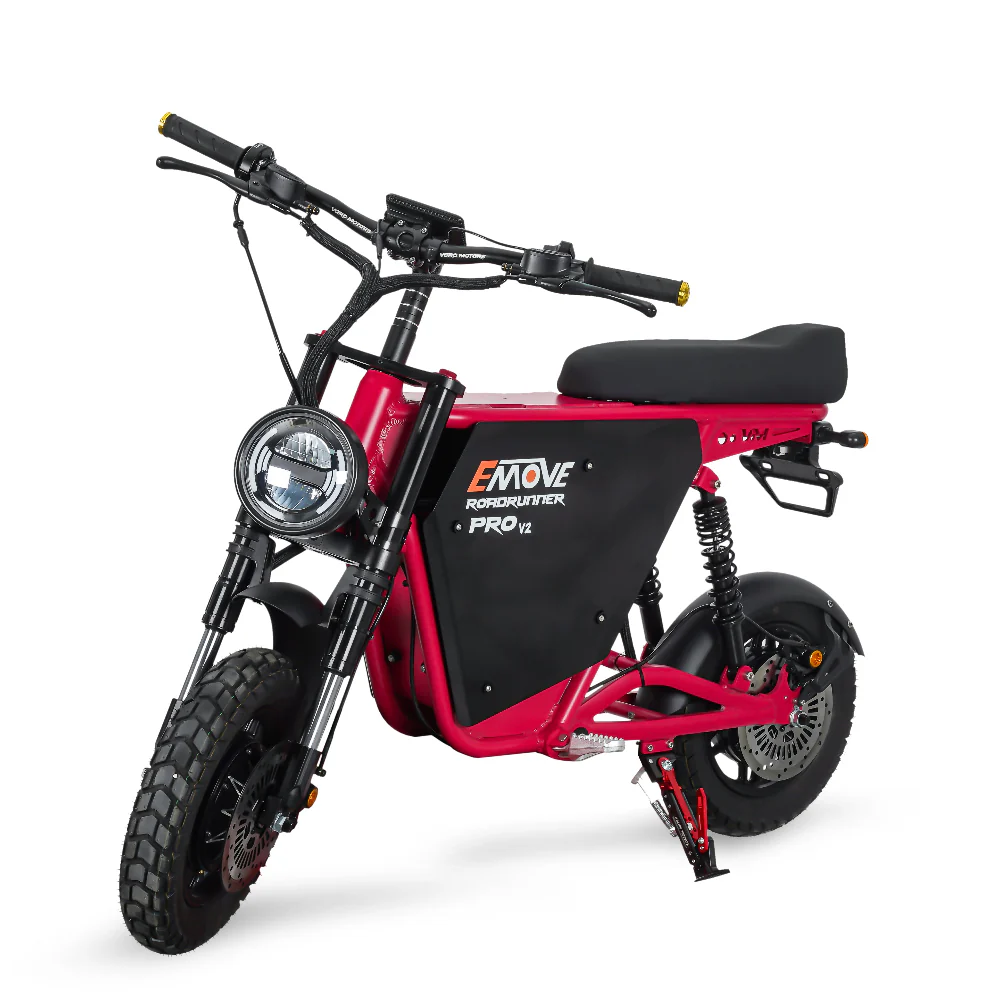
Weighty, though it glides so easily, the heft slips away when moving. Riders chasing speed and rough roads will find the Big Wheel Electric Scooter hold up well under pressure. Power comes fast thanks to two motors working together – climbs feel effortless, even on steep routes. Bumps vanish beneath it; test after test shows fewer jolts than most others seen and built tough? Yes – but only because what lies underneath demands strength.
Kaabo Wolf Warrior X GT — Best Off-Road Big Wheel
Wheel Size: 11 inches all-terrain Motor: Dual Maximum Speed: 45mph Distance: 44 miles (tested) The price is $2,599
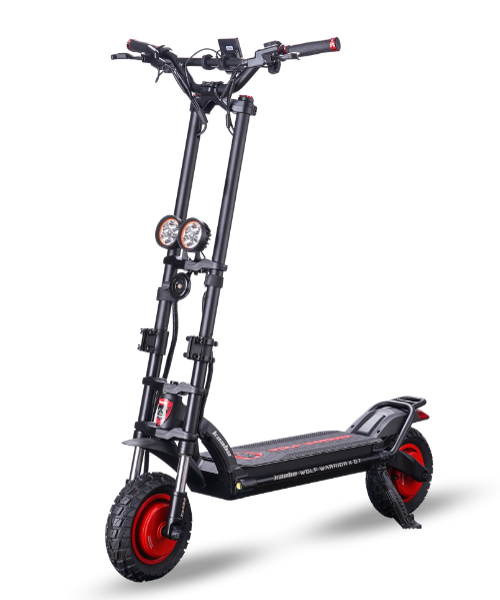
Heavy? Yes. Costly? For sure. Yet out on rough trails, few scooters at this price come close when it comes to ground clearance and shock absorption. Built with true dual suspension, thick knobby tires, and proven endurance over 44 miles, it stands apart where pavement ends. Size matters here – Big Wheel Electric Scooter roll smoother over rocks and ruts. Performance like this does not arrive lightly or cheaply. The Wolf Warrior X GT sets the mark others chase.
Apollo City Pro — Best Big Wheel Electric Scooters Daily Commuter
10-inch puncture-proof wheels equipped with dual motors with a 32 mph top speed can cover a 38-mile distance at approximately 1299 to 1499 dollars each.
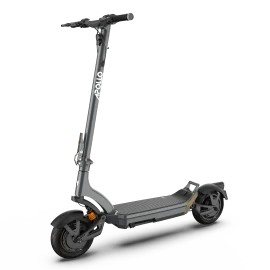
Made tough on the front. The 10-inch wheels can withstand off-road damage, while an IP66-rated guard withstands damp environments to keep moisture at bay. This ride handles rain-slick streets without slipping, thanks to smart grip tuning underfoot. Regen braking works deep here – better than most bikes in its class. Hidden inside is a link to Apple’s tracking web, giving riders confidence if things go missing. Weather won’t stop it, nor will rough roads or sticky situations.
Kaabo Wolf King GTR — Best High-Speed Big Wheel
Wheel Size: 12-inch self-healing hybrid | Motor: Dual motor (72V) | Top Speed: 65 mph | Range: ~60+ miles | Price: ~$3,500+
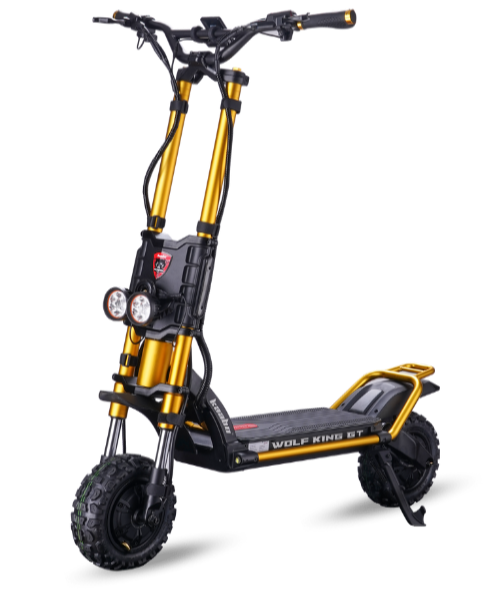
Heavy speed needs heavy control – the Wolf King GTR hits 65 mph, built for those chasing raw power. A detachable 2,419Wh battery means charge time fits your routine, not the other way around. Puncture-resistant hybrid rubber adapts to impact, staying intact even when pushing limits. When off throttle, walking mode lets it roll through sidewalks without fuss. Mastery matters here; new riders will find it too intense, since sharp handling and top-tier protection are non-negotiable.
GoTrax Flex — Best Budget Big Wheel Electric Scooters
14-inch pneumatic wheels, 250W motor reaches about 15 mph, travels around 18 miles, costs roughly $350 to $450
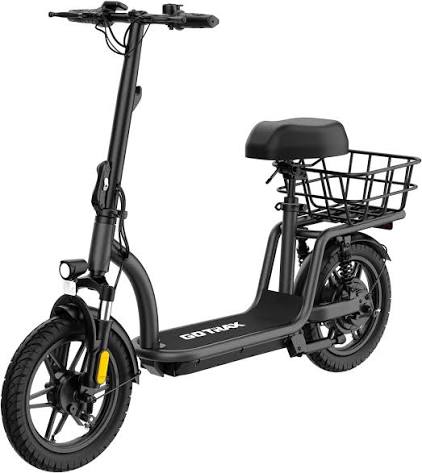
A sudden twist in transport arrives with the GoTrax Flex – big wheels, smooth roll, yet kind on cash. Not loud, not flashy, just rolling easier than expected. Those 14-inch tires? They look more like something off a bicycle, yet roll smoothly on pavement. Suspension gets help from two rear springs that soak up bumps better than you’d expect at this cost. Comfort comes through a padded seat that eases long sits. Tucked behind, a wire basket holds groceries or bags without fuss. Power trails off when slopes appear, so city streets stay in its sweet spot—riding uphill demands patience since the motor doesn’t rush.
Kurkirin G2 Max — Best for Heavier Riders
Wheel Size: 11-inch pneumatic | Motor: 1,000W | Top Speed: 35 mph | Range: ~50 miles | Price: ~$900–$1,100
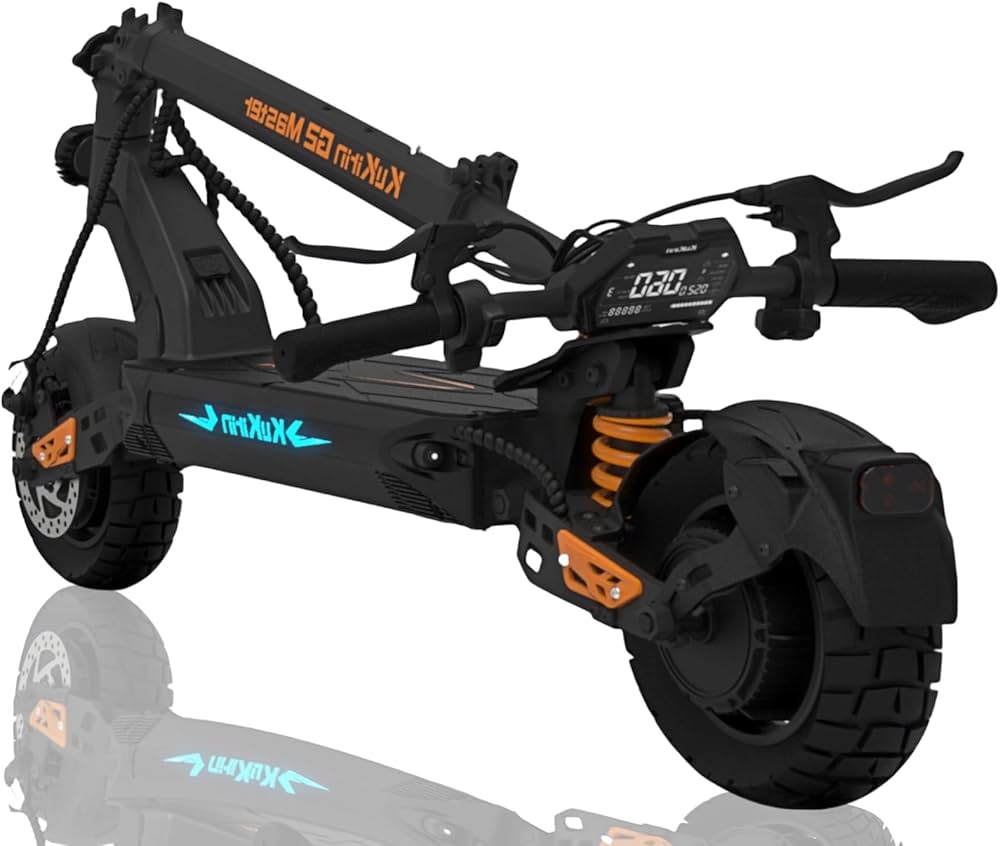
Heavy loads? Rough ground? This model handles both. Full suspension smooths bumps while large air-filled tires roll easily over uneven surfaces. It supports up to 264 pounds without strain. Taller users benefit from handlebars that shift higher. A detachable seat helps when riding farther than usual. Built tough but priced lower than most like it.
NIU KQi3 Max — Best Mid-Range Value
10-Inch Wheel 450W Motor Reaches 20 Mph Covers 31 Miles Costs 699 To 799 Dollars
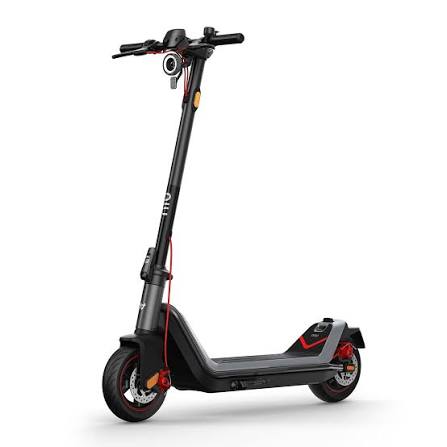
Floating over bumps is normal with the KQi3 Max, despite its low price tag. Still, you get what most reserve for pricier models. Standing tall feels secure thanks to its broad base, ideal for those built larger or just looking for steady control. Climbing steep paths? It handles slopes up to 25 degrees – few rivals here can match that. Connected through the NIU app, every trip shares insights like speed patterns and lock status without fuss. Updates arrive quietly in the background, keeping things up to date. Well put together, right down to the last screw, backed by a company people recognize.
5TH WHEEL V20 Pro — Best 10-Inch Commuter
Wheels stand ten inches tall, built without gaps. Power comes from a six-hundred-watt max output engine. Speed hits eighteen miles per hour at full pace. One charge powers travel nearly twenty miles. Priced from four hundred ninety-nine to five hundred ninety-nine dollars
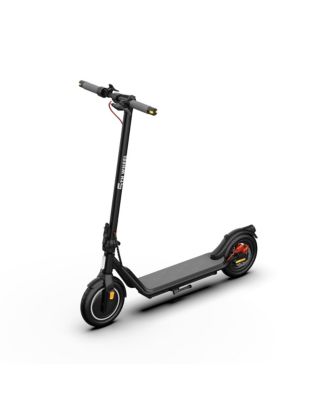
Smooth over rough spots comes easy on these 10-inch wheels – they keep going, no matter the road. Bumps barely register when you’re rolling on tires made tough from the start.
Worrying about flats? That fades – fast. City travel stays on track, bump after bump ignored beneath you. These never need pumping, which helps keep commutes smooth. Built-in lights signal turns, reducing the risk of sudden drops. Folding it down takes little space, yet riding stays comfortable. Stopping power comes from both electric and physical brakes working together. That mix keeps control strong when traffic shifts fast. Owning one skips the upkeep air-tires require every few weeks. Portability meets ease in ways busy streets tend to reward.
VOLPAM Electric Scooter Top Choice for Beginners
10-Inch Solid Wheel 500W Brushless Motor 22 Mph Top Speed Around 22 Miles Range Priced Between 350 And 450 Dollars
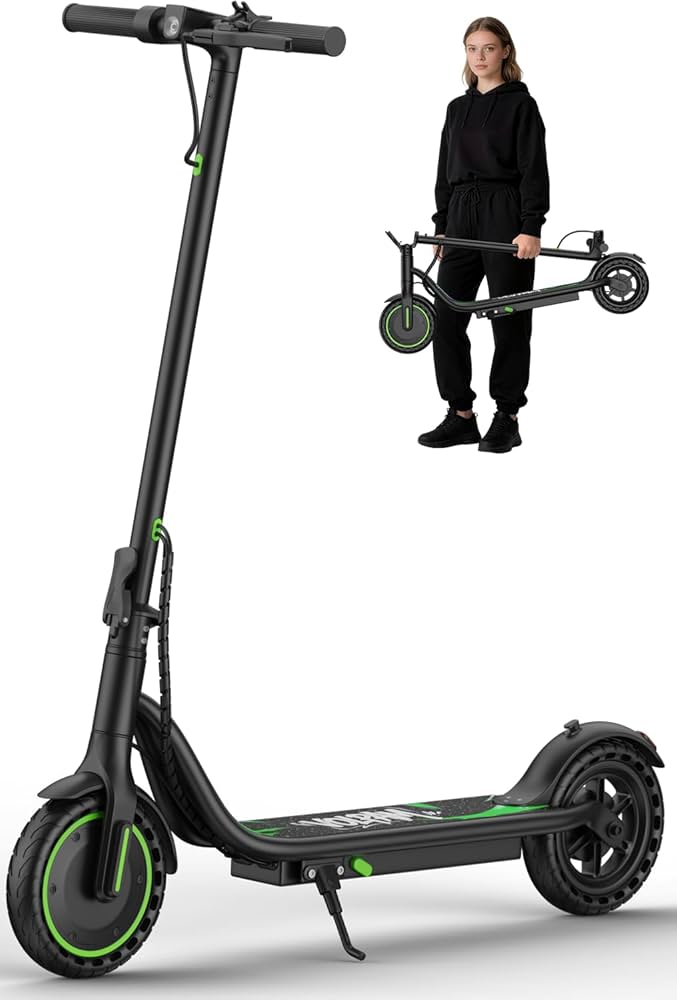
Starting strong despite its modest cost, VOLPAM’s base model runs on a 500W motor and features dual-shock suspension and EABS up front. Solid 10-inch wheels mean no flats – less worry day after day. Customizing speed or ride feel? That happens through your phone connecting to an app. Smooth city streets work well, though bumps slow it down slightly.
Quick Comparison: Top 10 at a Glance
| Rank | Model | Wheel Size | Top Speed | Range | Price Range |
|---|---|---|---|---|---|
| 1 | Hiboy VE1 PRO | 16″ | 23 mph | 31 mi | $500–$600 |
| 2 | GoTrax Flex | 14″ | 15 mph | 18 mi | $350–$450 |
| 3 | EMOVE RoadRunner Pro | 14″ | 50 mph | 50 mi | $2,600–$2,895 |
| 4 | Kaabo Wolf King GTR | 11″ | 65 mph | 60+ mi | $3,500+ |
| 5 | Kaabo Wolf Warrior X GT | 10″ | 45 mph | 44 mi | $2,499–$2,799 |
| 6 | Apollo City Pro | 10″ | 32 mph | 38 mi | $1,299–$1,499 |
| 7 | Kukirin G2 Max | 10″ | 35 mph | 50 mi | $800–$950 |
| 8 | NIU KQi3 Max | 10″ | 20 mph | 31 mi | $699–$799 |
| 9 | 5TH WHEEL V20 Pro | 10″ | 18 mph | 20 mi | $400–$500 |
| 10 | VOLPAM Electric Scooter | 10″ | 22 mph | 22 mi | $350–$450 |
The prices shown are broad market prices for 2026. They could differ depending on the retail store and by region.
How to Choose the Right Wheel Size: A Step-by-Step Decision Path
Start here, one after another – each choice cuts down what’s left. Step by step, the path gets tighter without warning.
- Start by checking the ground you’ll ride on. If paths are clear and even, a ten-inch wheel works just fine. Bumpy pavement, loose stones, or patches of lawn show up? Try eleven inches – or go bigger. Size shifts when surfaces get rough.
- Think about how much you weigh. If you are heavier, what matters isn’t only the wheel size but also whether the frame can handle it – plus the motor must be built for that load too. A larger wheel by itself won’t automatically support more weight.
- Picture how far you ride each day. If it is less than five miles, tiny wheels work fine alongside a compact power pack. Over ten miles every day means wider tires help smooth bumps – toss in extra battery juice too.
- Most days, it’ll be you lugging that thing upstairs and riding it on buses or trains every single day? Then a 12 to 13-inch version might start feeling more like a chore. Weight piles up quickly when you’re moving through crowds. What seemed handy at first turns into something you dread lifting. Picture yourself mid-rush hour, arms full, stepping off a crowded platform. That bulky frame won’t get lighter over time. Frequent trips mean frequent strain – something worth noting before choosing size.
- Most folks overlook the bounce between dips, yet big wheels soak up sharp jolts without trouble. Still, only when both front and back have given does the chatter fade steadily through rough patches. Together, they balance; apart, gaps show fast.
What Big Wheel Electric Scooter Typically Cost
Pricing tends to scale with wheel size, motor power, and battery capacity, though exact figures vary by retailer and ongoing promotions.
| Price Range | What You Typically Get |
| $400–$700 | 10″ wheels, 350–500W motor, basic suspension |
| $700–$1,200 | 10″–11″ wheels, dual suspension, stronger braking |
| $1,200–$2,000 | 11″–13″ wheels, reinforced frame, higher weight capacity |
| $2,500+ | 13″ performance tires, dual motors, off-road-grade suspension |
(Pricing reflects general 2026 market ranges and varies by brand, region, and retailer.)
Safety Certifications Over Wheel Size
Safety Certifications: Why They Matter More Than Wheel Size
Most buyers overlook this piece completely, even though it weighs heavily on daily life – maybe more than tire dimensions do. After all, we are talking about a power pack you plug in at home every night.
UL2272 in the United States and Canada
Start checking for UL2272 marks if you’re buying a scooter in the U.S. or Canada. Created by Underwriters Laboratories, it tests how well batteries, chargers, and motors hold up under stress, bumps, and weather changes. Since the Consumer Product Safety Commission issued warnings, companies that make or sell small electric rides have had to comply with these rules. In places like New York, having that label isn’t optional anymore – it’s what keeps scooters allowed on streets or even inside buildings.
Safety Standards Outside North America
Standards differ outside North America.
Singapore
Personal mobility devices in Singapore must comply with applicable safety requirements for legal registration and use. The Land Transport Authority enforces these rules, and UL2272 is a widely recognized safety standard for many personal mobility devices. Riding on public pathways means meeting the required safety standards first. Safety certification isn’t optional – it’s built into the system.
European Union
Meeting European standards for safety, health, or environmental care means products receive a CE marking. This marking indicates that the product complies with relevant European Union requirements.
International Battery Shipping
When it comes to shipping lithium-ion batteries across borders, IEC rules plus UN38.3 step in with focused safety checks. These guidelines shine where global transport is involved, zeroing in on risk control. Not every standard fits this niche – these do. Their role kicks in during the cross-border movement of such power cells.
A Note for Retailers and Fleet Buyers
When getting Big Wheel Electric Scooter for selling them later or using many at once, different things matter compared to someone buying just one. Not everyone sees these points right away.
Heavy loads turn into legal concerns fast – when scooters carry riders beyond their limit, companies open themselves up to trouble. Instead of assuming safety, verify proof: UL2272 results, CE papers, or local versions matter because platforms pull listings if those go missing. Tires spin out faster under constant work, batteries drain quicker when used all day; check how parts get replaced before committing. Hidden gaps in service support become apparent after months have gone by, and repairs pile up.
Maintenance Basics for Big Wheel Electric Scooter
- Check pneumatic tire pressure monthly against the sidewall PSI rating
- Inspect the tread for embedded debris or wear before longer rides
- Tighten the folding mechanism and stem bolts periodically
- Keep the battery between 20–80% charge when not riding daily for a longer battery lifespan
- Wipe down brakes after riding in rain or mud
- Inside storage works best. Too much heat, or even bitter cold, cuts down how long lithium batteries last.
FAQ
Are big wheel electric scooters better for bumpy roads?
Bigger tires – like air-filled or honeycomb types – soak up bumps better. Smaller ones, especially solid versions, send every jolt straight to you. That rough feedback wears you down faster. Riding over broken sidewalks? Control gets sketchy, too. But those chunkier tires smooth things out without trying hard.
What diameter wheel is big for an electric scooter?
Most scooters have wheels that are around 10 inches in width. However, bigger ones are available with 13-inch wheels that can handle difficult terrains or larger weights.
Do bigger wheels make a scooter slower?
Heavy wheels won’t hit higher speeds – yet demand extra twisting force to get moving, so launching from standstill might seem just a bit sluggish compared to a compact-wheeled model powered by an identical motor.
Are Big Wheel Electric Scooter heavier to carry?
Most of the time, that’s right. Heavier by themselves, larger wheels tend to come with bulkier batteries and stronger frames – so the whole thing can easily tip the scales at anywhere from 35 up past 60 pounds.
Is a 10-inch wheel enough for daily commuting?
Most city streets? Fine with what you’ve got. Go bigger than 11 inches only when bumpy paths show up often, or your weight leans high. Bumps change things.
Can I upgrade my existing scooter with bigger wheels?
Changing the wheel size? Not a good idea. That setup – frame, brakes, suspension, motor – is tuned together. Mess with one piece, and everything else reacts poorly. Handling gets shaky. Safety drops without warning. Balance matters more than it looks.
Are big wheel electric scooters legal to ride on the street?
It all comes down to where you are – each place sets its own rules about how fast you can go, whether sidewalks or streets are allowed, and what age is needed, regardless of how big the wheels happen to be.
Final Thoughts
When rough terrain appears, heavier wheels make sense despite extra weight. Long rides test balance – sturdier builds help then. Bigger riders often feel wobbles less with dense rims underneath. Speed brings shake; mass in the wheel damps it down. Stability becomes real, not imagined, above certain velocities. Extra price tags follow where control matters most.
Comfort and handling improve noticeably here – giving up some ease of carrying pays off clearly after actually riding one. Most people who use them often decide it was the right shift after trying both.
Start by checking if your wheels fit both where you ride and how heavy you are – skip chasing peak numbers on paper. See that the model meets local safety rules before anything else slips in. Think of suspension and wheel size as teammates, not backups for each other. Nail these points first; suddenly, everything left feels easier to sort out.
“The information on this website is gathered from industry reports, manufacturer specifications, expert reviews, and trusted sources such as Electroheads to provide accurate and valuable insights for our readers