The electric scooter that travels at 35 mph is an odd middle ground. It’s far too fast for the vast majority of bicycle lanes and far too obscure to be an ideal choice for novice customers. It’s nonetheless what many users are searching for. If you’re contemplating whether this type of ride is the right choice for you or is a high risk, the article below explains all the essentials, legal reality, the security compromises, and the best way to pick the best class.
A motorized vehicle that has a top speed of 35 miles per hour is a high-performance scooter using a more powerful motor and batteries that are more powerful than the normal commuter model. This model is designed for experienced, skilled users. In general, the law lets you ride at these speeds only on private land, not on public roads.
What Actually Counts as a “35 MPH” Scooter
A vehicle that’s advertised at 35 mph electric scooter performs differently when you’re standing on the road. The figure on the box typically reflects the best-case scenario, which is a smaller-sized user, a fully charged battery, a smooth surface, and the vehicle’s top-of-the-line “sport” mode engaged.
Three speeds are contained in the same specification:
- Top speed rated — the headline figure, measured under the most ideal conditions.
- Actual top speed — the speed you’ll achieve once the weight of your body, the wind, and a slight slope are involved.
- The speed at which you can cruise — a speed at which you are able to comfortably hold over a longer period of time with the motor not working out.
Users who monitor large volumes of data from scooters have discovered an interesting fact: those who have scooters rated well above 40 mph do not usually travel at speeds of 40 mph. The majority of that “extra” speed becomes headroom. The motor moves along at a comfortable 25 to 35 miles per hour instead of pushing to its maximum. An engine that’s rated precisely at the normal speed of its user is constantly working to the maximum exertion, whereas one that has room to spare doesn’t notice at the same speed.
This distinction is more important than the actual number. The 35-mph speed rating of an excellently constructed scooter may be more comfortable and calming as opposed to a rating of 40 mph with a lesser model that is driven to the limit.
Why This Speed Class Exists
Between a 15- to 20-mph commuter scooter and a 45- to 65-mph hyper-scooter, you’ll find an actual gap for those who need true speed and the ability to climb hills but without having to venture into extreme close-to-motorcycle terrain. 35 mph electric scooter is the tier that will fill that gap.
This is so for some specific reasons:
- Acceleration, not only the top speed, is what the majority of riders feel throughout the day with stronger motors that accelerate more even at slow speeds.
- The performance of hills is significantly improved when a motor that was designed for 35 mph over flat terrain still has power enough to go up an incline.
- The longevity benefits of headroom: an engine that’s not continuously tethered to the max can be more efficient and last for longer.
Who a 35 mph electric scooter Is Actually For
It’s not the original scooter, and is actually not intended to be. It’s a good fit for:
- Upgraded riders from a commuter scooter, who’ve surpassed the range of 15-20 mph.
- People who commute longer distances and require speed and variety all in one package
- Mixed-terrain or off-road riders that require torque to tackle bumps and uneven terrain
- People who are avid riders on private land and closed courses or within areas that allow more flexible speed regulations
It’s not a great choice for complete beginners, those who ride only on bicycle lanes or sidewalks that have strict speed limits, or those who value mobility — scooters generally weigh between 60 and more than 100 pounds, and they’re not ones you fold in a hurry and take up a set of steps.
How These Scooters Reach 35 MPH
The leap from a fifteen-speed motorbike to a more powerful 35 mph electric scooter model isn’t just an error in firmware. It’s due to actual hardware variations, which are stacked in a predetermined sequence:
- Voltage of the battery increases. The majority of commuter scooters run at 36V. Performance models within this category run 48V, 52V, or even 60V batteries, which increase the height that the motor is able to reach.
- The wattage of motors increases. One motor typically is between 1,000 and 1,500W. Double-motor sets combine two motors to produce up to 3,000-2,000W or higher.
- The controller and the firmware perform the gatekeeping. Ride modes — like regular, eco, and sport decide how much of this power actually goes to the wheels at any particular time.
- The layout of the drivetrain affects the traction. Two hub motors, each for a wheel, spread power much more evenly than a single motor that is trying to complete everything on its own.
- All things get heavier in order to make up for it. Frames reinforced, larger tires, and more powerful brakes increase the weight. This is a reason scooters require larger motors in the first instance. It’s an entire loop and not a cut-off.
Is It Actually Legal to Ride One?
It’s the one that is the biggest concern for buyers, with the answer that it all depends upon where you reside. In the majority of areas, it is illegal to drive at 35 mph electric scooter on public roads, and it is not a simple matter of lawfulness.
In the United States, e-scooter rules are determined state-by-state and not national. There are many states that define the acceptable “electric scooter” use -one that is permitted within bike lanes that does not require registration — and have speeds that are well below 35 miles per hour. When a scooter reaches this threshold, some states require that it be licensed and insured as a moped; some states make it private property.
In the United Kingdom, privately owned electric scooters aren’t allowed to use public roads or pavements on any level, with the exception of trials for rental vehicles that are officially approved regardless of their top speed.
Throughout the European Union, rules vary according to country; however, many adhere to speed class systems, which limit road-legal electric scooters to speeds well below 35 miles per hour.
In Canada, provincial approaches vary widely, and several provinces don’t have an electronic scooter framework.
Rules change frequently, so consider any answer online (including this one) to be a starting base, not as a definitive phrase. Before you go out, you should look to find your state, province, or the country’s current laws on e-scooters instead of assuming that last year’s law is still in effect.
Types of 35 mph electric scooter
Not every model in this speed class is built the same way:
| Type | What Sets It Apart | Best For |
| Dual-motor performance scooter | Two hub motors, stronger traction and torque | Hills, mixed terrain, quick acceleration |
| Single-motor, high-voltage scooter | One larger motor, higher voltage battery | Slightly lighter build, simpler upkeep |
| Off-road/all-terrain scooter | Knobby tires, long-travel suspension | Trails, gravel, uneven surfaces |
| Commuter-performance hybrid | Balances speed with some portability | Riders who want speed without going extreme |
| Seated or moped-style scooter | Includes a seat; sometimes moped-registrable | Longer rides, road-legal in select regions |
How to Actually Choose One
Instead of purchasing based on only top speed, think through the following steps in order:
- Consider how you’ll utilize the device. An everyday commute is best suited to mobility and range. Off-road riding is safer with suspensions and tires. For pure excitement, motor wattage is preferred and acceleration over all other factors.
- Check your local speed ceiling first. If the area you live in limits scooters for public use between 15 and 20 mph, then a 35 mph electric scooter might be only appropriate to use for personal riding or perhaps as a decision to invest in a speedier device that you’ll develop into.
- Make sure you match the motor’s size with the conditions. A flat, well-paved commute generally doesn’t need anything more than 1000-1500W. The rougher and more hilly terrain is where dual-motor setups make their money.
- Do not take the speed of your bike on the sly in case you’re a heavier cyclist. Manufacturers’ numbers are usually evaluated with lighter riders. Speeds that are achievable drop with increasing weight, and it’s important to determine the listing for an adjusted weight amount.
- Tires and braking are at the same rate as speed. With speeds of 30+ miles per hour, hydraulic disc brakes, as well as air-filled tires, don’t come as luxury features, but they are what keep an efficient scooter under control.
Comparing the Speed Tiers
| Factor | Entry Commuter (15–20 mph) | 35 MPH Performance Class | Hyper-Scooter (45+ mph) |
| Motor power | 250–500W | 1,000–3,000W | 3,000–8,000W+ |
| Battery voltage | 36V | 48–60V | 60–100V+ |
| Typical weight | 25–40 lbs | 60–100+ lbs | 90–150+ lbs |
| Portability | High | Low to moderate | Very low |
| Typical range | 15–25 miles | 25–45 miles | 30–60+ miles |
| Braking | Basic mechanical/single disc | Dual or hydraulic disc | Hydraulic plus regenerative |
| Public road legality | Often permitted in bike lanes | Frequently restricted to private use | Almost always private-use only |
The range decreases the longer a motorbike is driven at a near-top speed during the majority of the ride, which could reduce offered range by roughly a third to half, as higher speeds draw much more power from the battery.
Riding One Safely
The speed changes; the brakes and gears should be changed to match it.
- A certified helmet — full-face is worth considering above 25 mph.
- Knee pads, wrist guards and elbow pads
- Clothing with high visibility or reflectivity, particularly after darkness.
- Gritty gloves, closed-toe shoes and slip-resistant shoes
- Pre-ride checks of brakes and the tire’s pressure
- Start by using a lower power mode until you are familiar with what the scooter can handle.
- Train hard to brake in a space prior to riding in traffic areas or on steep hills.
The stopping distance as well as the seriousness of falling are both increased dramatically as speed rises. That’s precisely why brake hardware as well as protective gear cease to be an option once you’ve reached this high-performance tier.
Mistakes Worth Avoiding
- A brand new speed scooter straight into traffic, before you can master its maneuvers
- In the event that local speed limits and registration laws do not apply or are not enforced
- Inadequately checking tire pressure is more detrimental to stability than most people would think.
- We are hoping to reach the range advertised while traveling at or near the top of its speed
- Driving in rainy conditions with tires that aren’t made to handle it.
- Selecting a bike based solely on its top speed rather than its suspension, brakes, or construction quality
What These Scooters Cost
Scooters that are in this performance class typically range from the beginning of the $1,000s up to $5k or more, contingent on the motor’s configuration, the battery’s size, the suspension system, as well as the brand’s image. High-voltage, dual-motor models are at the top of the spectrum; however, single-motor high-voltage models tend to be an entry-level model that is more cost-effective in the category.
For shopping, manufacturers’ websites usually offer the best warranty services. Special e-mobility stores can offer testing rides as well as local service market listings. In contrast, marketplace listings need to be thoroughly scrutinized for return policies and battery certificates prior to purchasing.
If 35 MPH Turns Out to Be More Than You Need
Sometimes the study can be the most valuable part when you realize that the 35-mph speed limit may not be the best fit for you. Some options to consider:
- A basic commuter scooter (15-20 mph) to make it easier to transport, as well as wider road legality
- Electric bikes, of which, in most cases, are legal as well as allowing pedal-assist.
- A moped with a seat. Road legal in more locations once fully licensed and insured
- A high-performance vehicle (45plus mph) is recommended if you are looking for maximal headroom, but you must understand it is only for private use almost everywhere
Top 10 Best 35 MPH Electric Scooter Models in 2026
This is a comprehensive list of vehicles that are close to the 35-mph limit and close enough to the speed that they’re frequently shopped with the speed limit. The specifications below are estimates and may change with the weight of the rider as well as terrain and the latest firmware, so verify the latest listing prior to purchasing.
KuKirin G2 Max.
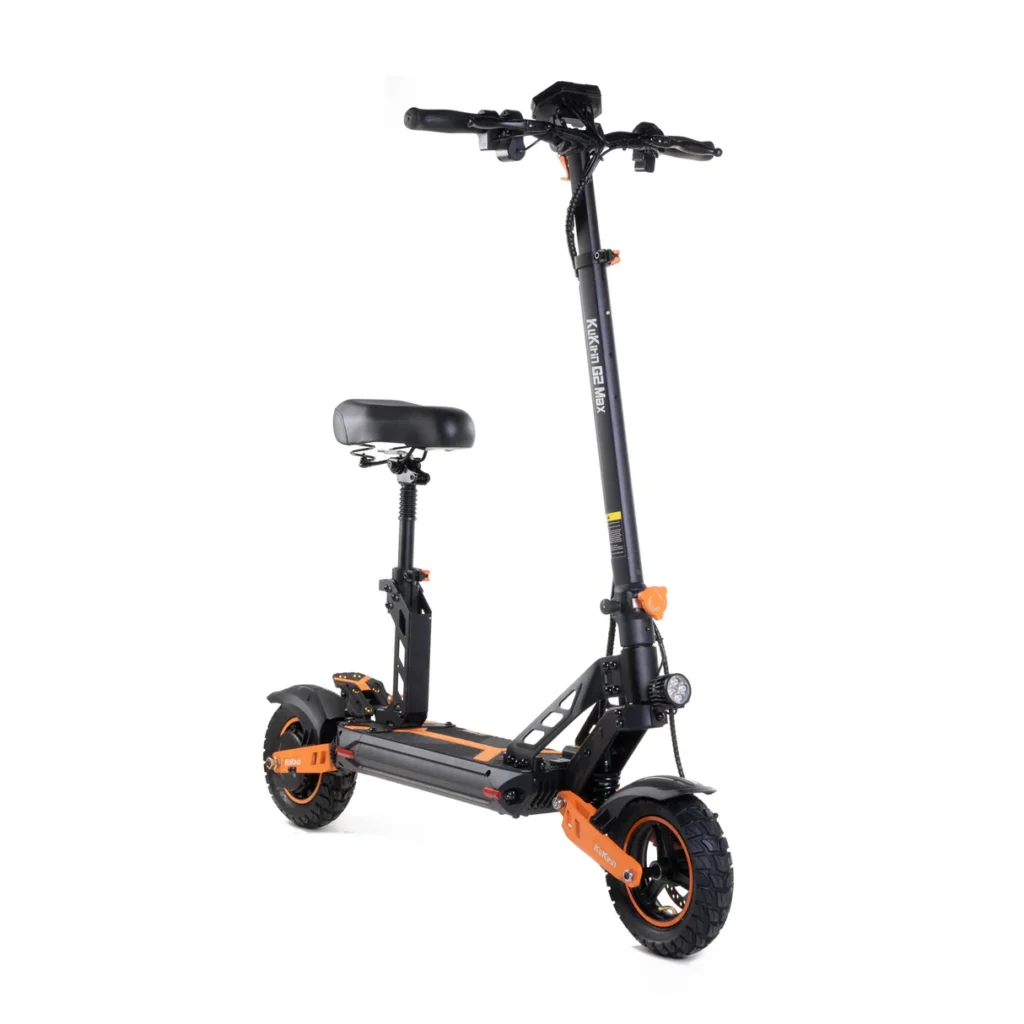
It’s built on top of a 1000W motor; the G2 Max reaches up to 35 mph and can navigate hills effortlessly. The full suspension as well as pneumatic tires make it one of the most comfortable multi-terrain vehicles at this low price. In reality, the range is around 50 miles at moderate speed.
ONECNA A2.
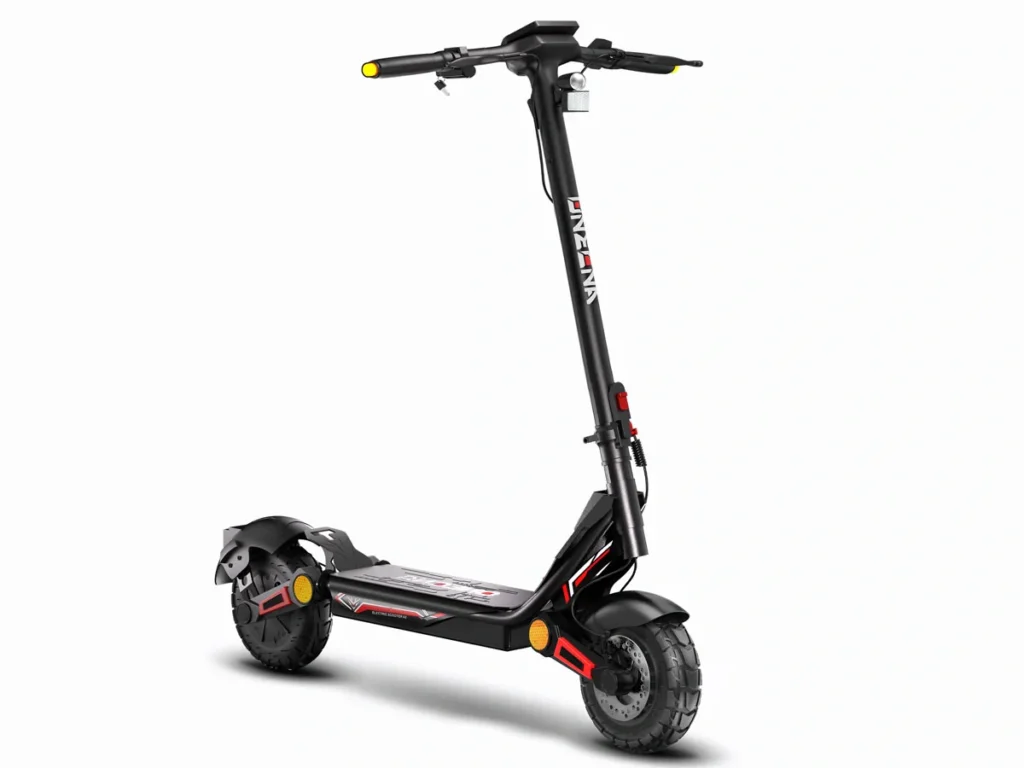
The A2 is among the less expensive options in this class of speed, with a top speed of 35 mph and beginning at a much lower cost than most performance scooters. It’s an acceptable entry point to get the performance but without the price.
Vmax VX2 Pro Hub.
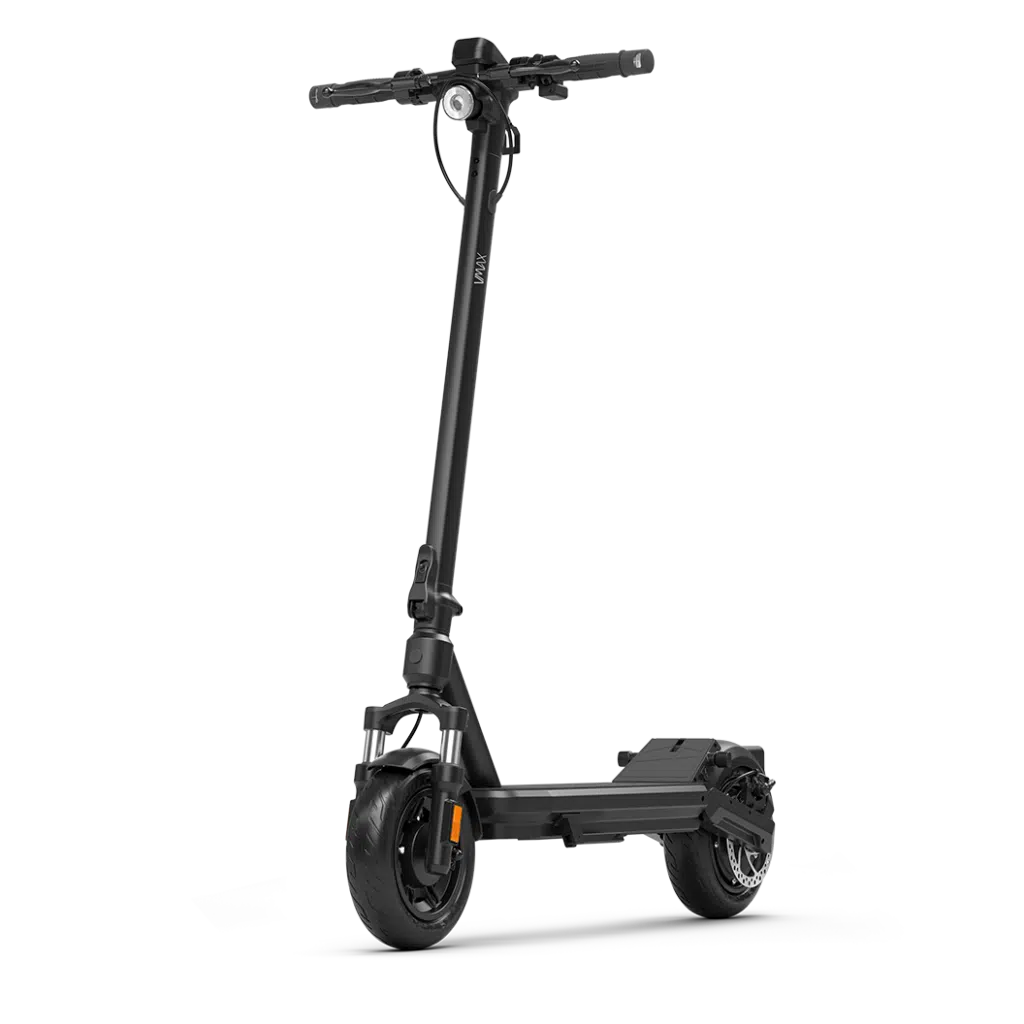
Single-motorized scooter that is over its weight category; in independent testing, it clocks at 33.5 mph and has a mileage of around 35 miles, one of the longest within its class. The front hydraulic as well as the rear rubber suspension make it comfortable, as do tubeless tires as well as a substantial capacity for the rider’s weight.
VSETT 10+.
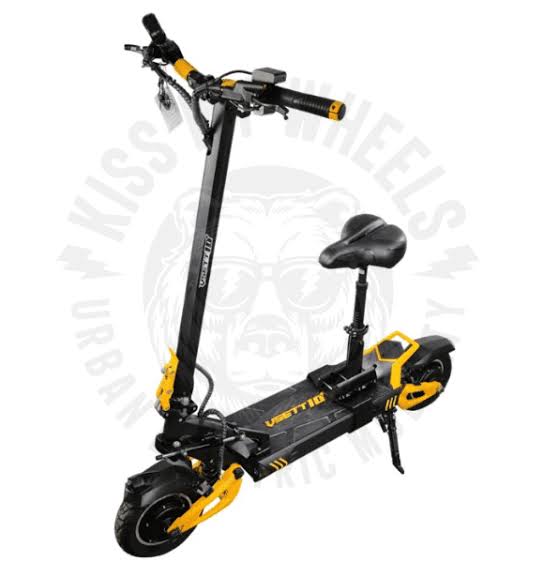
An old-fashioned favorite with avid users and enthusiasts, the VSETT 10+ is a dual-motor model with better braking and a suspension specifically designed for higher speeds. The VSETT 10+ is often referred to as a solid, balanced alternative to motorbikes that are used for commuting.
Zero 10X.
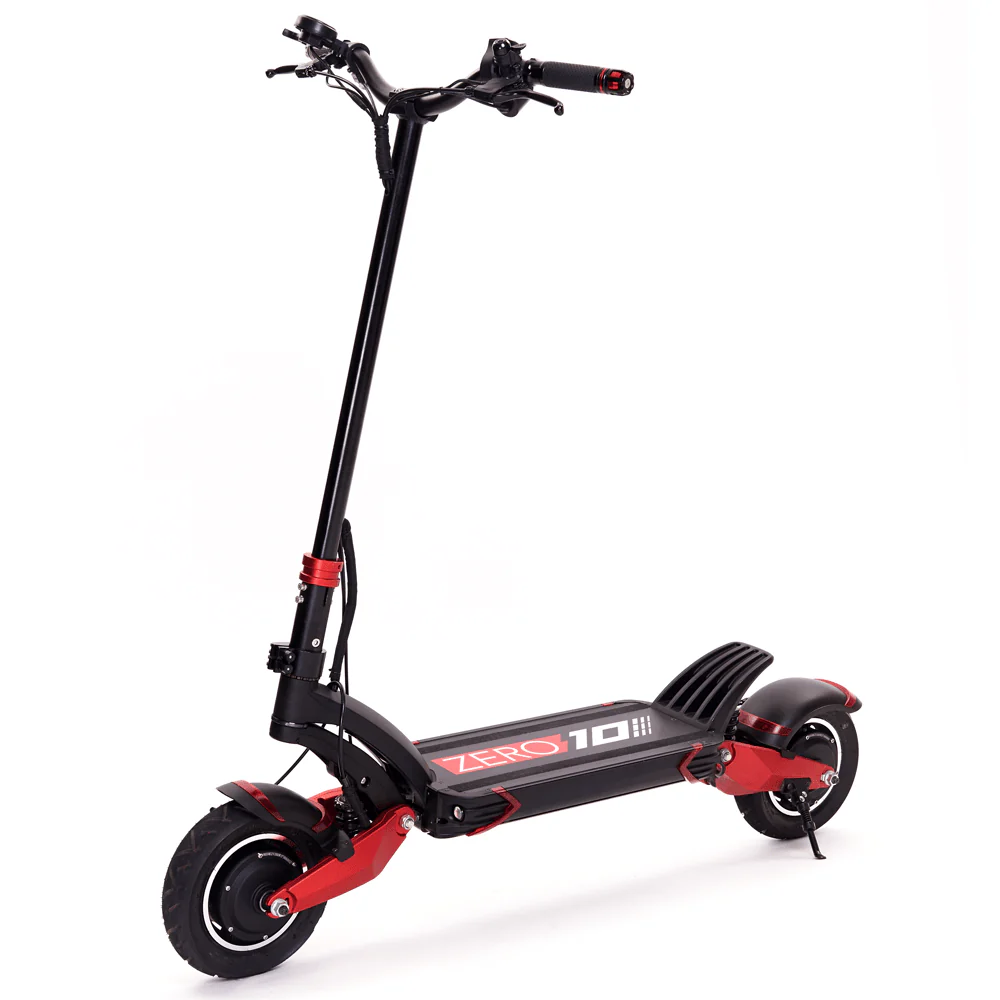
It’s the predecessor of VSETT 10+. It has two motors that provide fast, controlled acceleration. It also has suspension that is able to handle both asphalted roads as well as rough terrain. Its range is up to 50 miles based on how you ride.
Apollo Phantom (base/2.0).
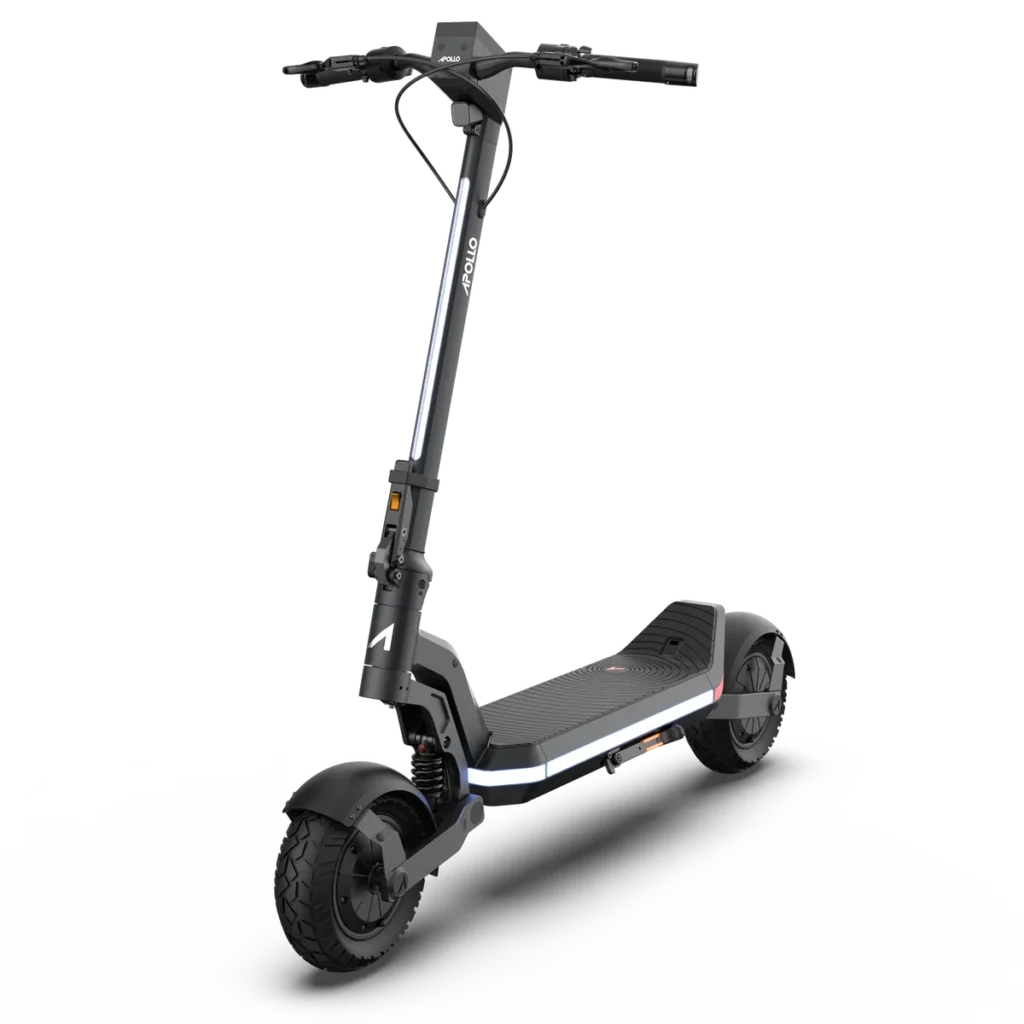
Apollo’s Phantom collection is solidly placed within the high-performance tier. It’s designed for those who require high-performance daily use speed, as well as the suspension and brake equipment to go with it. The Phantom line is often grouped alongside others with mid-to-high performance when evaluated independently.
InMotion RSJet.
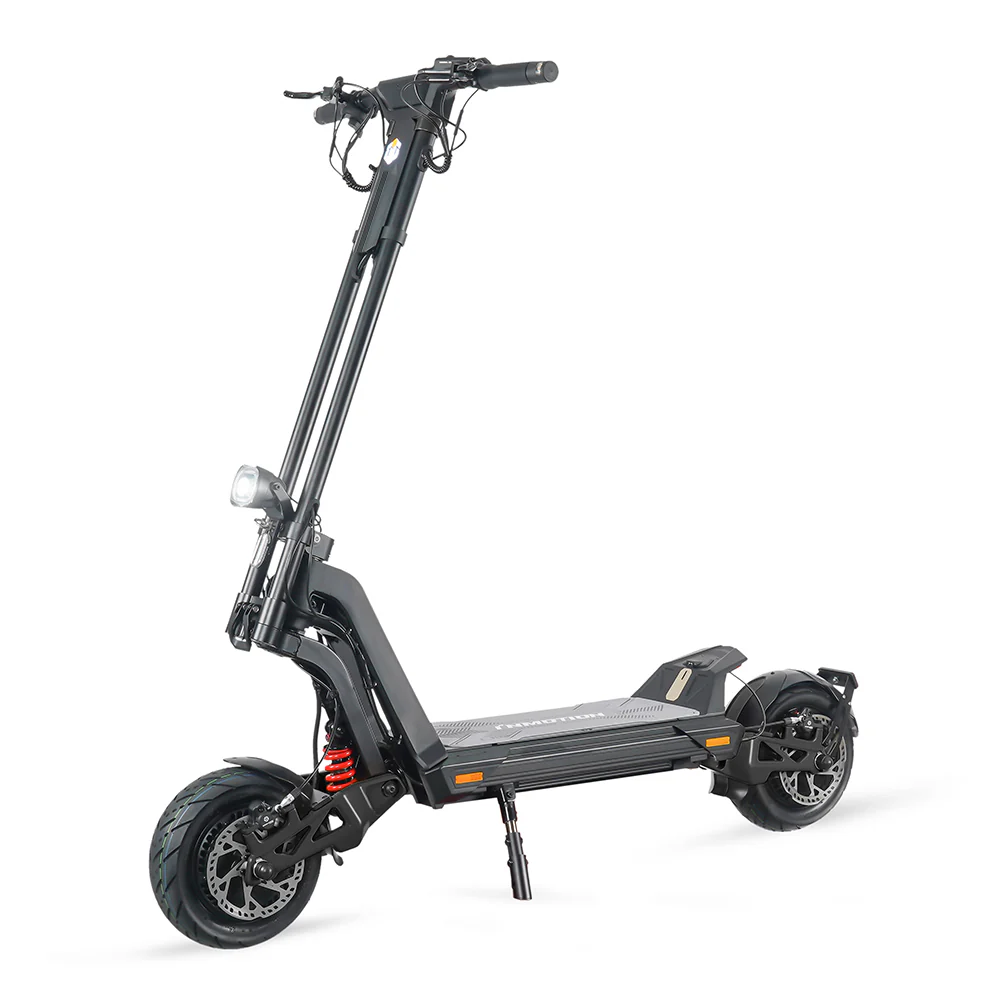
The InMotion RSJet is well-known for its smooth handling at high speed; the RSJet has been frequently mentioned in conjunction with other confidence-building performance scooters. It has a little bit higher than the speed limit of 35 mph and is ideal for those who need some extra headroom, but without going into the extremes.
Hiley Tiger 10 V5.
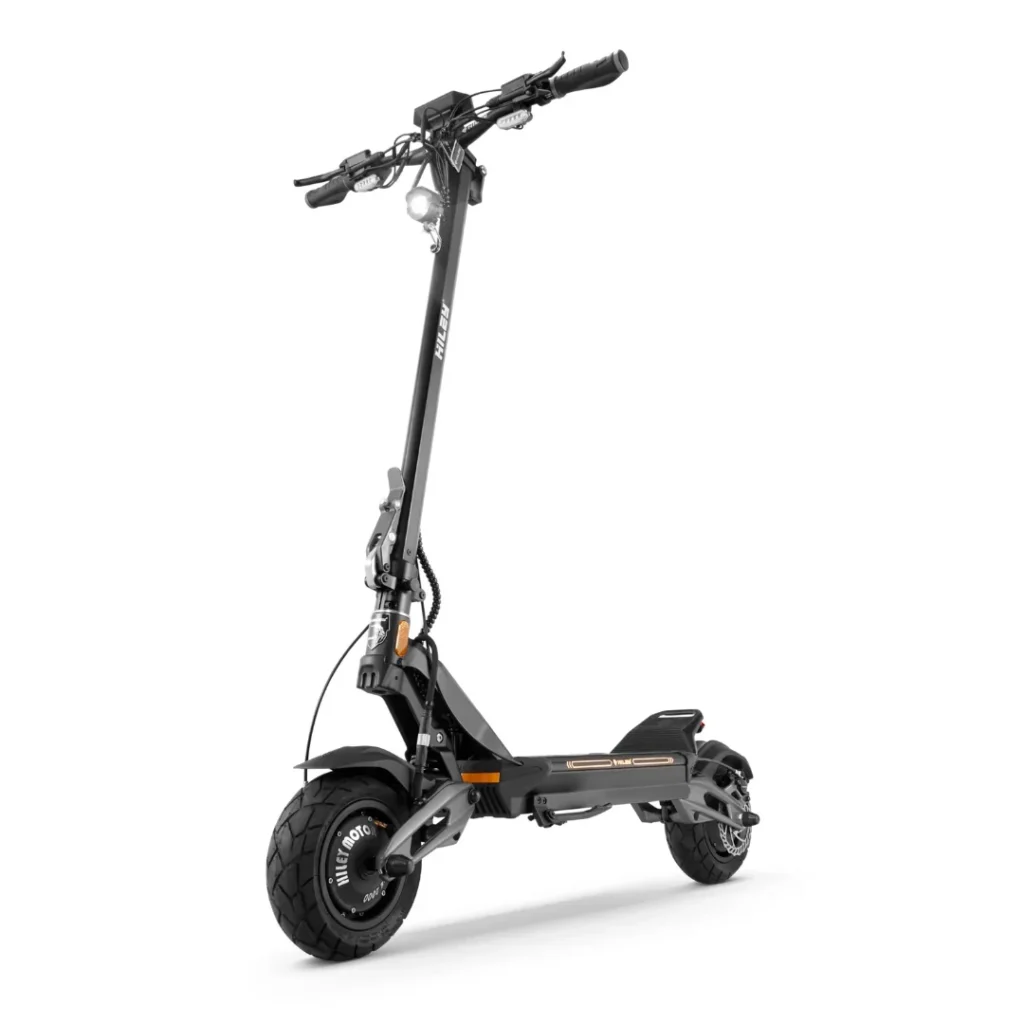
Part of the Hiley performance lineup, the Tiger 10 V5 is built for stable, controlled riding in the upper-30s to high-40s mph range, with an emphasis on predictable handling rather than raw top-end speed alone.
Dualtron Thunder 3
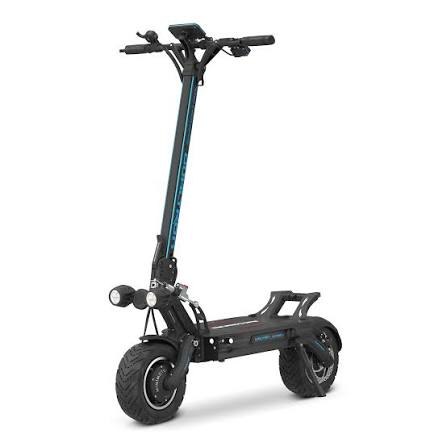
A well-known and well-respected brand for high-performance scooters. The Dualtron Thunder series is built for people who want the highest level of dual-motor performance and who are willing to pay an extra amount for it. It’s frequently utilized as a model to show what a “true” performance scooter should look like.
Segway GT3 Pro
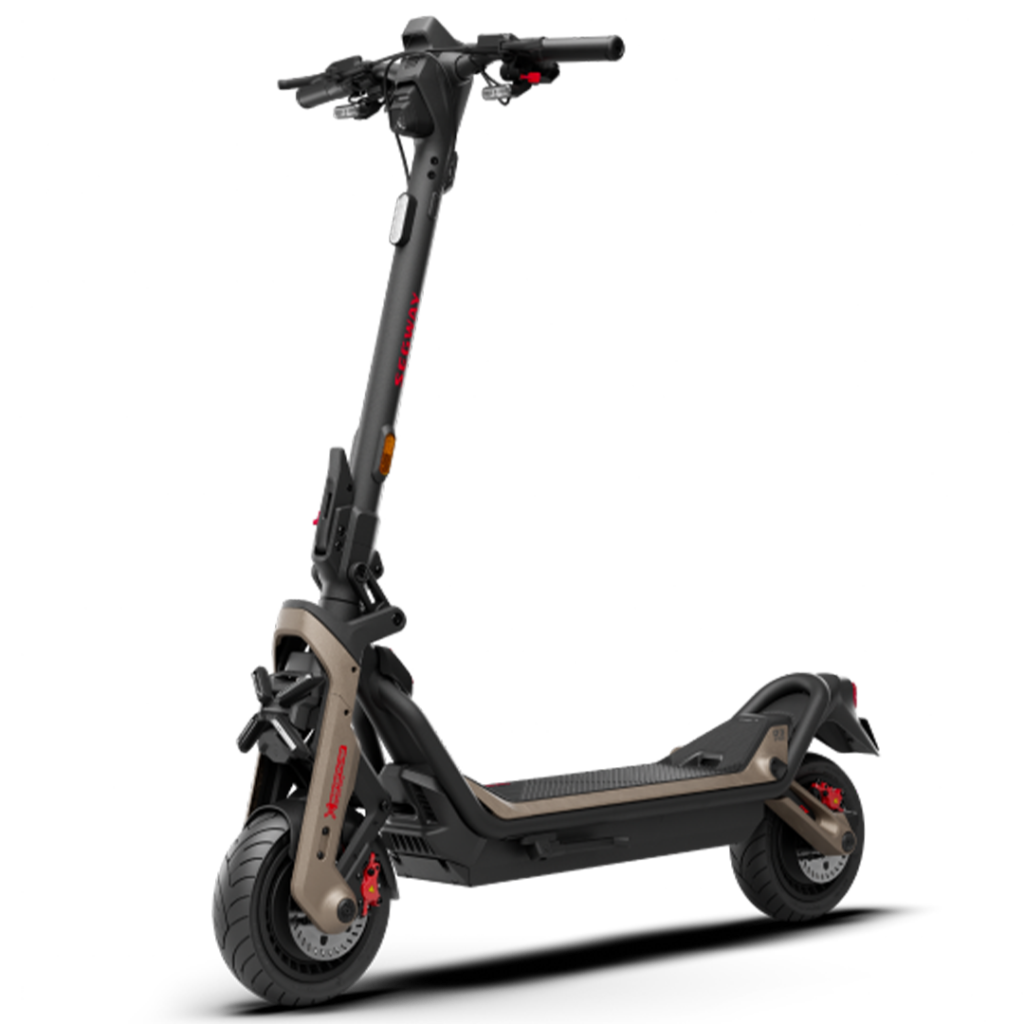
Segway’s performance scooters with higher quality (distinct from the 15-20 mph commuter lines such as GT3 Pro) are worth considering for riders looking for an internationally recognized brand with a broad range of service and parts available at this speed level.
Quick Comparison
| Model | Motor Setup | Approx. Top Speed | Approx. Range | Best For |
| KuKirin G2 Max | 1000W single | Up to 35 mph | Up to ~50 miles | Off-road/multi-terrain comfort |
| ONECNA A2 | Single motor | 35 mph | Moderate | Budget-friendly entry |
| Vmax VX2 Pro Hub | 1900W peak, single | ~33.5 mph (tested) | ~35 miles | Long-range commuting |
| VSETT 10+ | Dual motor | ~35–40 mph | ~45 miles | All-round performance |
| Zero 10X | Dual motor | ~35–40 mph | Up to ~50 miles | Versatile on/off-road |
| Apollo Phantom (2.0) | Dual motor | ~35–40 mph | ~35–40 miles | Daily performance riding |
| InMotion RSJet | Dual motor | ~40–45 mph | Moderate–high | Extra speed headroom |
| Hiley Tiger 10 V5 | Dual motor | ~40–48 mph | Moderate–high | Stable high-speed riding |
| Dualtron Thunder/Thunder 3 | Dual motor | 40 mph+ | High | Premium performance benchmark |
| Segway GT3 Pro | Varies | ~35 mph+ | Varies | Brand reliability, service network |
An important note to remember before you make your purchase in this selection: a handful of these scooters go a little over the limit of 35 mph electric scooter on paper. That’s not a bad thing; the headroom factor, which we discussed earlier, tends to help a vehicle feel more relaxed when you’re actually cruising instead of being constantly maxed out. Consider every one of these numbers as an initial point of study, but not a certain specification, as manufacturers change firmware and revisions to hardware fairly frequently.
Common Questions
How fast is 35 mph on an electric scooter?
This is a significant leap over the 15-20 mph speed that many commuter scooters reach, sufficient to keep up with traffic in cities that is slower as well as enough to make you feel truly intense when compared with low-end models.
Are electric scooters that travel 35 mph safe on the roads?
The chances are that you will not unless you take additional steps. The majority of lawful bike lanes and public roads limit electric scooters to well below the speed limit. So, it’s important to confirm your state, province, or country before assuming that you’re fine.
What is the maximum distance one can travel with a single charge?
The typical range is between 25 and 45 miles, but that figure decreases the longer you are riding at a high speed instead of at reasonable speeds.
Do you require a licence to operate a vehicle?
It depends on the location you reside in -certain regions categorize the high-speed scooters under the term moped, and a license as well as registration and insurance are required.
What size of motor is actually needed?
Amounts of 1,000-1,500W for one motor or at least 2,000W for dual motor designs, when paired with a minimum 48V battery.
Is a 35 mph electric scooter safe for a beginner?
It’s not recommended. It’s a good choice for those who have already been in a slow-moving scooter or similar vehicle, and have the appropriate safety equipment in hand.
How much should you expect to pay?
The typical range is from $1,000 all the way to $5,000 or greater, based on batteries, motor horsepower, as well as overall quality of the build.
Getting Started
A scooter with a speed of 35 mph provides real advantages, such as more acceleration, faster climbs, and a more secure riding experience. However, those advantages are accompanied by regulations and security requirements that a standard commuter scooter does not have.
Before you buy, check your local laws and match the battery and motor with the way you’ll ride it; prioritize the brakes and tires as they can, and then invest in genuine protective equipment right from the start. Try the scooter in a quiet area prior to taking it close to the road—this order of operatHiley Tiger 10 V5. As part of the Hiley Performance lineup, this Tiger 10 V5 is what differentiates a successful purchase from one that is regrettable.
“The information on this website is gathered from industry reports, manufacturer specifications, expert reviews, and trusted sources such as gyroor to provide accurate and valuable insights for our readers