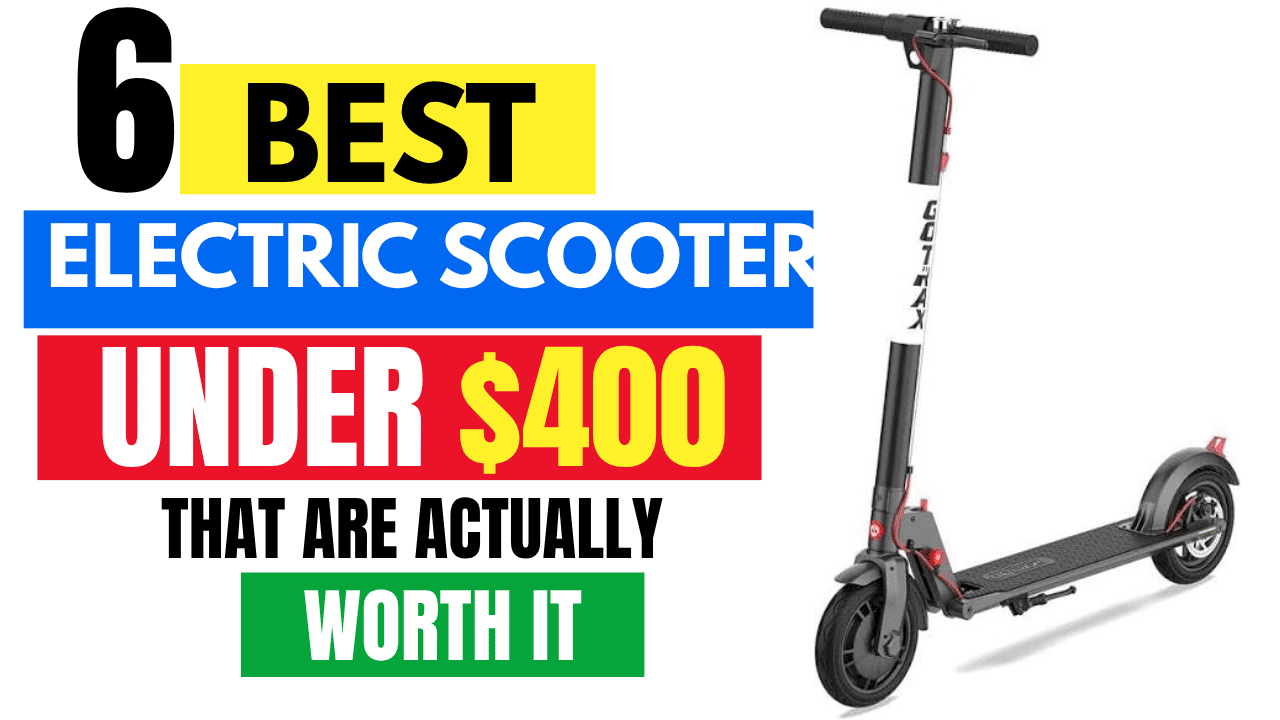
If you’re comparing electric scooters under $400, you’ve probably already noticed the same problem everyone runs into: half the listings look identical, and it’s hard to tell which ones are actually reliable versus which just have good product photos. This guide breaks down six scooters currently sold on Amazon.com, what each one is genuinely good at, and where each one falls short — so you can match a scooter to how you’ll actually use it. (This post contains affiliate links — more on that at the end.)
Quick Comparison
| Scooter | Best For | Key Feature | Price Range | Check Price / Order |
|---|---|---|---|---|
| Hiboy S2 | Best Overall | Balanced speed, range, and reliability | $280–$330 | Check Price / Order |
| Gotrax GXL V2 | Best Budget Pick | Lowest reliable entry price | $250–$300 | Check Price / Order |
| Segway Ninebot E2 Plus II | Best for Beginners | Front suspension, brand recognition | $300–$370 | Check Price / Order |
| Gyroor C1 | Best for Comfort | Seat + basket, cushioned 12″ tires | $250–$300 | Check Price / Order |
| NIU KQi1 Pro | Best Name-Brand Value | App control, 2-year warranty | $200–$349 | Check Price / Order |
| NAVEE V25 | Best Features for the Price | App, hidden AirTag slot, IPX5 waterproofing | $220–$380 | Check Price / Order |
Hiboy S2
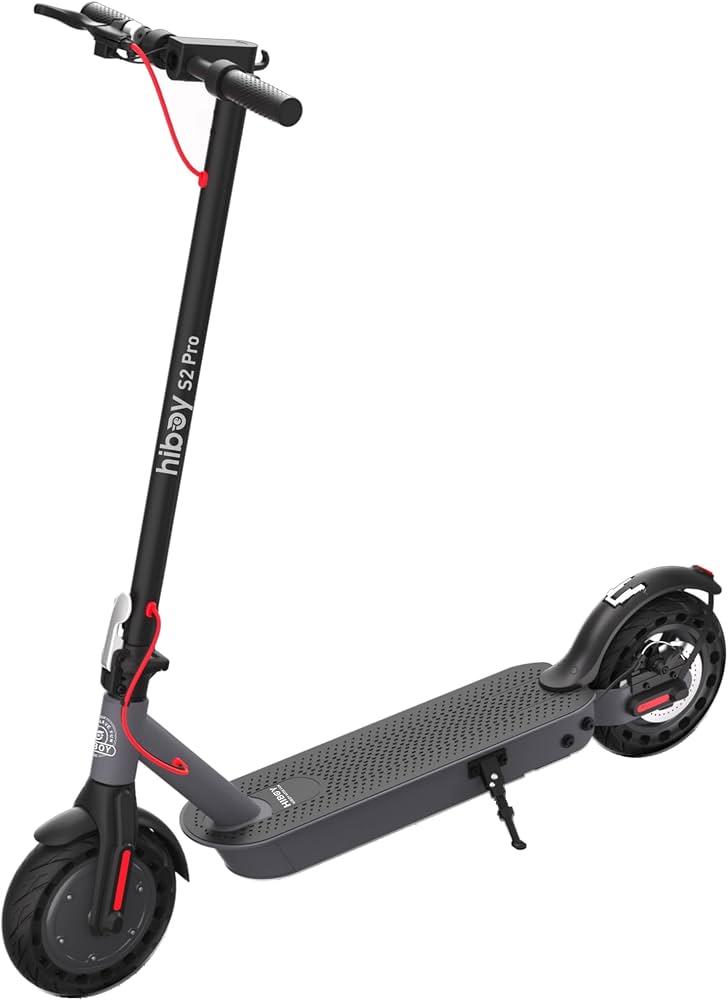
Best for: Riders who want one dependable scooter that does everything reasonably well.
The Hiboy S2 is the model that keeps showing up at the top of “best under $400” lists, and it earns that spot by not being extreme in any one direction. It’s not the fastest, not the longest-range, and not the cheapest — but it’s solidly good at all three, which is exactly what most people commuting 3–8 miles a day actually need. If you’re not sure which scooter to pick and just want to stop researching, this is usually the safe answer.
Pros:
- Balanced speed (up to 19 mph) and range for daily commuting
- Solid/honeycomb tires mean no flat-tire maintenance
- Established brand with a long Amazon sales history
- Foldable design that’s manageable for daily storage
Cons:
- Real-world range typically runs shorter than the advertised figure, especially for heavier riders or hilly routes
- No suspension, so rougher pavement transmits more directly through the frame
Gotrax GXL V2
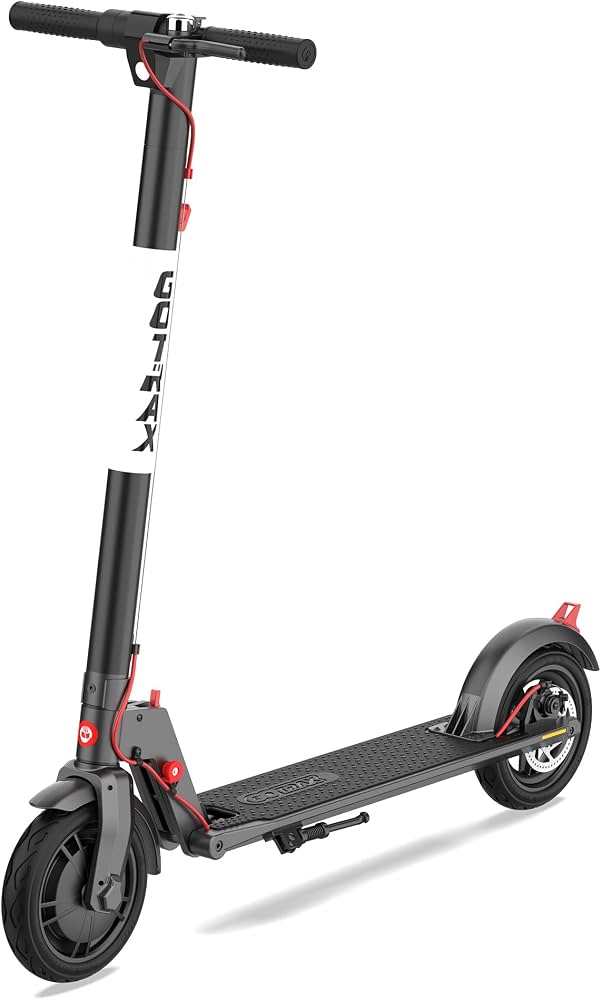
Best for: Short commutes (under 5 miles) and first-time e-scooter buyers on a tighter budget.
Gotrax built its reputation on the GXL line, and the V2 is still one of the best-selling electric scooters on Amazon years after its original release. It’s not trying to be fast or long-range — it’s trying to be the scooter that doesn’t break, at the lowest price point that still feels trustworthy. If your commute is short and your budget is closer to $250–300 than $400, this is the pick that won’t leave you disappointed.
Pros:
- Lowest price point on this list among established brands
- Long track record and strong repeat-buyer history
- Lightweight and easy to fold/carry
- UL 2272 safety certified
Cons:
- Top speed of 15.5 mph is noticeably slower than every other pick here
- Shorter real-world range — best suited to sub-5-mile trips
Segway Ninebot E2 Plus II
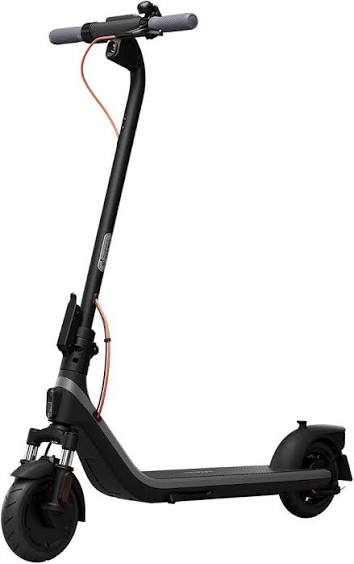
Best for: New riders who want a recognizable, trusted brand name and an easier first ride.
Segway is the name most non-scooter-people actually recognize, and the E2 Plus II is the company’s entry point into this price range. It’s built specifically with beginners in mind — front coil suspension smooths out the learning curve on rough pavement, and it launched at $400 but regularly sells below that during Segway’s frequent sales, so it’s worth watching for a discount rather than paying full price.
Pros:
- Front suspension — smoother ride than most scooters at this price
- Strong brand recognition and wide parts/support availability
- Lightweight (around 36 lbs) and easy for new riders to manage
- UL 2272 and UL 2271 certified
Cons:
- List price sits right at $400, so you’ll want to catch it during a sale to stay comfortably under budget
- 16-mile claimed range is respectable but not class-leading
Gyroor C1
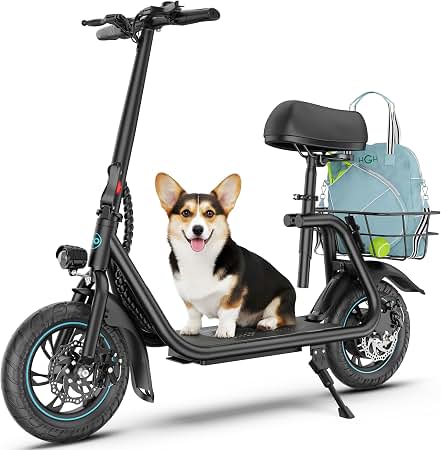
Best for: Riders who want a seat, storage basket, and a more relaxed ride instead of a stand-up-only commuter.
Every other scooter on this list is a stand-and-ride commuter — the Gyroor C1 is the one exception, built with an adjustable seat and a front basket for errands or even a small pet. If standing the whole ride sounds tiring, or you’re running errands rather than commuting to an office, this is the scooter shaped around that use case instead of fighting against it.
Pros:
- Seat adjusts for riders from 5’1″ to 6’1″
- Front basket adds real storage for errands
- 12″ pneumatic tires cushion bumps better than most solid-tire scooters here
- Foldable handlebar for easier storage and transport
Cons:
- Heavier and bulkier than the stand-up-only options on this list
- Top speed (15.5 mph) is on the slower side, in line with its errand-focused design rather than fast commuting
NIU KQi1 Pro
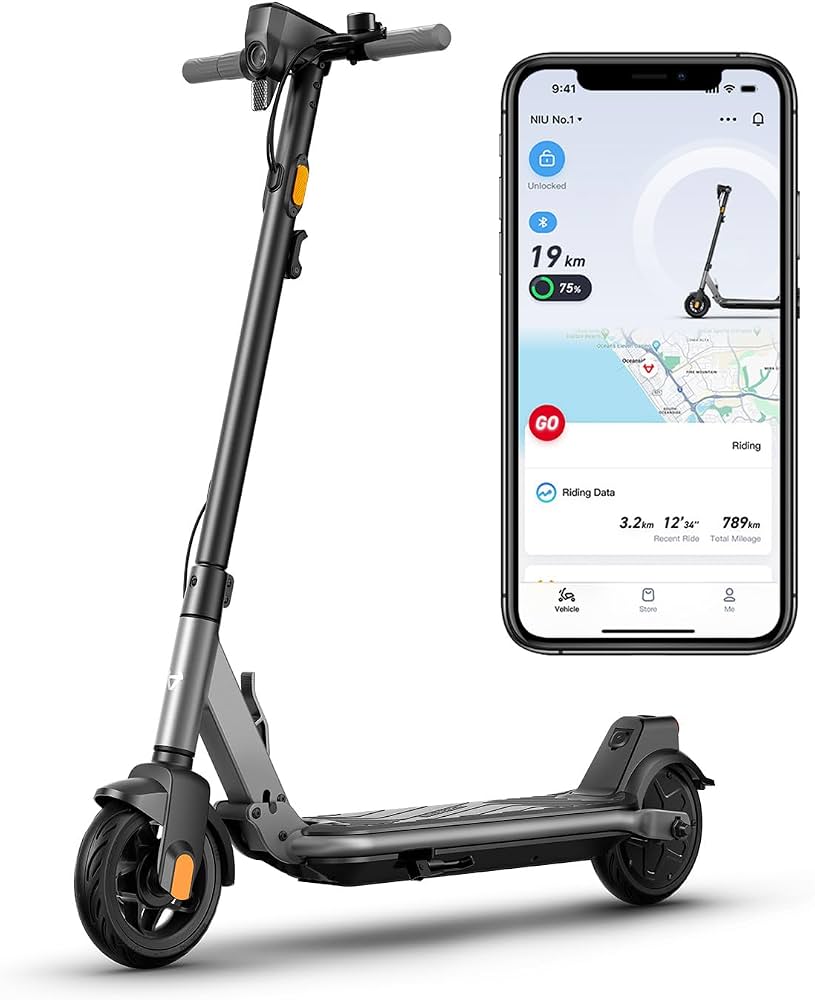
Best for: Riders who want the polish of a “premium” scooter brand without paying premium prices.
NIU built its name on scooters costing $500 and up, so the KQi1 Pro is the company’s answer to the budget segment — and the app connectivity, 2-year warranty, and general build quality reflect that background. It’s a good fit if you specifically value brand reliability and established customer support over squeezing out the lowest possible price.
Pros:
- NIU app support — remote unlock, speed mode customization, battery charge limits
- 2-year warranty, longer than most competitors at this price
- Dual braking system (front drum + rear regenerative)
- Frequently discounted well below its ~$349 MSRP
Cons:
- 14-mile claimed range and 15.5 mph top speed are modest compared to some competitors here
- Solid tires mean a firmer ride with no suspension
NAVEE V25
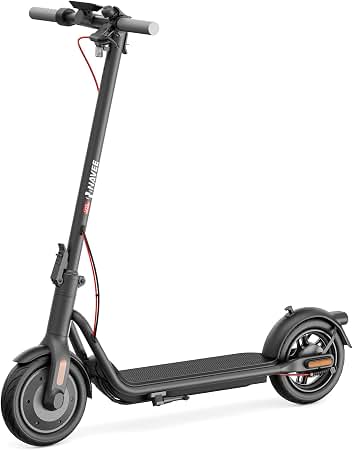
Best for: Riders who want extra smart features — app control, theft tracking, weatherproofing — without a big price jump.
The NAVEE V25 packs in a few features you don’t typically see at this price: a hidden AirTag slot for tracking the scooter itself, IPX5 waterproofing, and app-based remote locking. It’s aimed at commuters who want some peace of mind about weather and theft, on top of a genuinely capable ride.
Pros:
- Hidden AirTag holder for location tracking
- IPX5 waterproof rating — more weather-resistant than most competitors here
- App control with remote lock/unlock
- 10″ pneumatic tires with suspension for a smoother ride
Cons:
- Base V25 range (around 15.5 miles claimed) is similar to competitors despite the extra features
- Price swings more than other picks here — it’s worth watching for NAVEE’s frequent sales to get the best value
Buyer’s Guide: What to Actually Look For Under $400
At this price point, a handful of features separate a scooter you’ll still be riding in a year from one gathering dust in a closet.
Tire type. Solid or honeycomb tires need zero maintenance but ride rougher. Pneumatic (air-filled) tires ride smoother but can go flat, so factor in where you’ll actually be riding.
Real-world range vs. advertised range. Manufacturer range figures are usually tested under close-to-ideal conditions — flat ground, a lighter rider, full charge, moderate speed. In everyday use, expect something closer to 60–80% of the advertised number, especially if you’re heavier than the test weight or riding on hills.
UL 2272 certification. This is the safety certification specifically for lithium-ion battery scooters, covering fire and electrical safety. Every scooter on this list carries it, but it’s worth double-checking on any model you’re considering outside this guide.
Weight capacity margin. Don’t buy right up to the stated max load — performance, range, and braking all degrade as you get closer to the limit. Leaving some margin matters more than the number on the box suggests.
Riding style — stand-up vs. seated. Most scooters on this list are stand-up commuters, but the Gyroor C1 is built around a seat and storage instead. Think about whether you’re commuting (stand-up usually wins on weight and speed) or running errands (a seat and basket can matter more than an extra mph).
Common Mistakes When Buying an electric scooters under $400
Assuming advertised range equals real-world range. This is the single most common source of buyer’s remorse in this category. Plan around 60–80% of the stated number, not the number itself.
Ignoring local age and legal requirements. Most U.S. states set a minimum riding age around 16, though this varies by state and even by city, and some places have separate rules for sidewalks versus bike lanes versus roads. Check your local regulations before you’re stuck with a scooter you can’t legally ride where you planned to.
Buying based on top speed alone. A higher top speed number looks appealing, but it often comes with a heavier scooter, shorter range, or a higher price — none of which matter if your actual commute is three flat miles at a modest pace.
Skipping the UL 2272 check. Battery safety certification isn’t a nice-to-have on a scooter you’ll be charging indoors overnight. If a model doesn’t list it clearly, that’s worth pausing on.
Paying full list price on models that frequently go on sale. Several scooters on this list — the Segway E2 Plus II and NAVEE V25 especially — regularly drop $50–100 below their list price during seasonal sales. It’s worth checking price history before buying at full price.
FAQ
Are electric scooters under $400 actually reliable?
Reliability depends more on the brand’s track record than the price tag itself. Established names like Gotrax, Hiboy, NIU, Segway, and NAVEE have years of parts availability and customer support behind them, which matters more long-term than an extra mile of range or 2 mph of top speed.
How far can I realistically ride on one charge?
Plan for roughly 60–80% of the advertised range. A scooter rated for 15–16 miles will more realistically deliver 9–13 miles for a typical adult rider on mixed terrain, especially with hills or a heavier rider.
Gotrax GXL V2 vs Hiboy S2 — which is better?
The GXL V2 is the better fit for short commutes under 5 miles and tighter budgets. The Hiboy S2 offers a bit more speed and range for a slightly higher price, making it the safer all-around pick if your commute is a bit longer.
Segway Ninebot E2 Plus II vs NIU KQi1 Pro — which is better?
The Segway edges ahead on ride comfort thanks to its front suspension and is the more recognizable name for gift-buying or resale value. The NIU KQi1 Pro counters with a longer warranty and a more feature-rich companion app — pick based on whether ride comfort or app features/warranty matter more to you.
Is the Gyroor C1 worth it over a stand-up scooter?
Only if you specifically want a seat and storage basket. It’s heavier and slower than the stand-up options here, so it suits errands and relaxed rides better than fast daily commuting.
Do I need a license or permit to ride an electric scooter?
In most U.S. states you don’t need a driver’s license, but there are typically minimum age requirements (often 16, though this varies) and rules about where you can ride — sidewalk, bike lane, or road. Always confirm your specific state and city rules before riding.
Is it worth spending closer to $370–400 instead of $250–300?
It depends on what you value. If you’re riding under 5 miles on flat ground, the extra money mostly buys brand recognition (Segway) or smart features (NAVEE) rather than necessity. If ride comfort or app features matter to you, models like the Segway E2 Plus II or NAVEE V25 justify the higher end of the range.
Final Recommendation
If you only take one thing from this guide: for most people comparing options in this category, the Hiboy S2 is the safest overall pick — it doesn’t excel in any single spec, but it doesn’t have a weak point either, which is rare in the sub-$400 range. If your commute is short and your budget is tighter, the Gotrax GXL V2 is the better fit. If you specifically want a recognizable brand name and a smoother ride for learning, look at the Segway Ninebot E2 Plus II instead — just try to catch it on sale.
Whichever one fits your situation, check the current price and availability on Amazon before deciding, since pricing in this category moves often with seasonal deals.
[CTA: Check Price on Hiboy S2 →]
As an Amazon Associate, I earn from qualifying purchases.