Last updated: July 2026 · Fact-checked against current UL, EN, and US e-bike classification standards.
If you’ve found yourself comparing an electric scooter vs electric bicycle, you’re not alone…— and it’s a good idea to slow down before buying. Both appear similar on spec sheets; however, they solve different problems. One is built for short, quick hops through a city. The other is built to replace a car for real distances. Here’s how to tell which one is yours.
I’ve tested both categories extensively and advised individual buyers and small fleet operators on micromobility purchases. The pattern is consistent: people who compare only price and top speed tend to regret the purchase within a few months. People who compare distance, terrain, and storage first, almost never do.
The quick answer is that an electric scooter is less expensive, Choosing between an electric scooter vs electric bicycle becomes much easier when you compare your daily commuting needs instead of focusing only on price. folds easily, and is ideal for quick rides that aren’t more than five miles. An eBike offers greater range and will handle hilly terrain better, and is ideal for longer rides with capacity for cargo as well as all-day comfort. The best choice is based on the amount of distance travelled, the conditions, and storage requirements. Choosing between an electric scooter vs electric bicycle depends on your travel distance, terrain, budget, and storage needs.
What You’re Actually Choosing Between
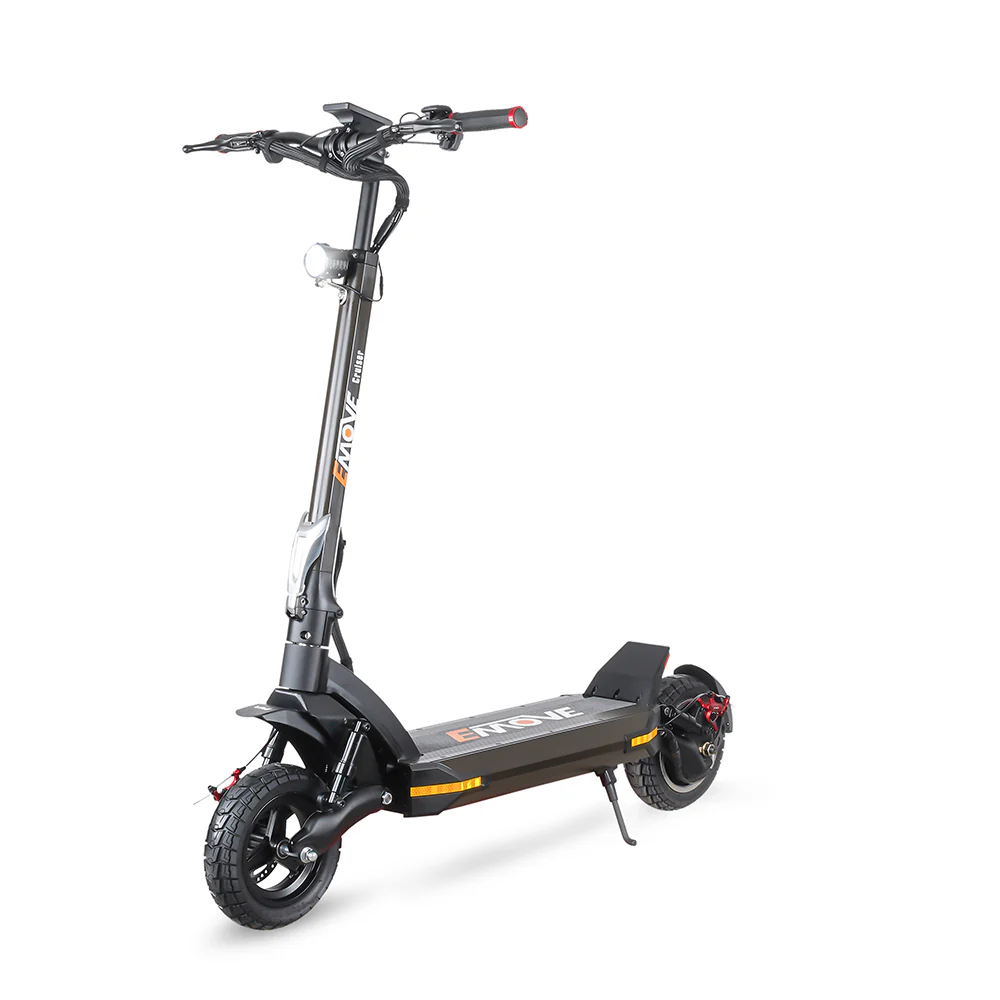
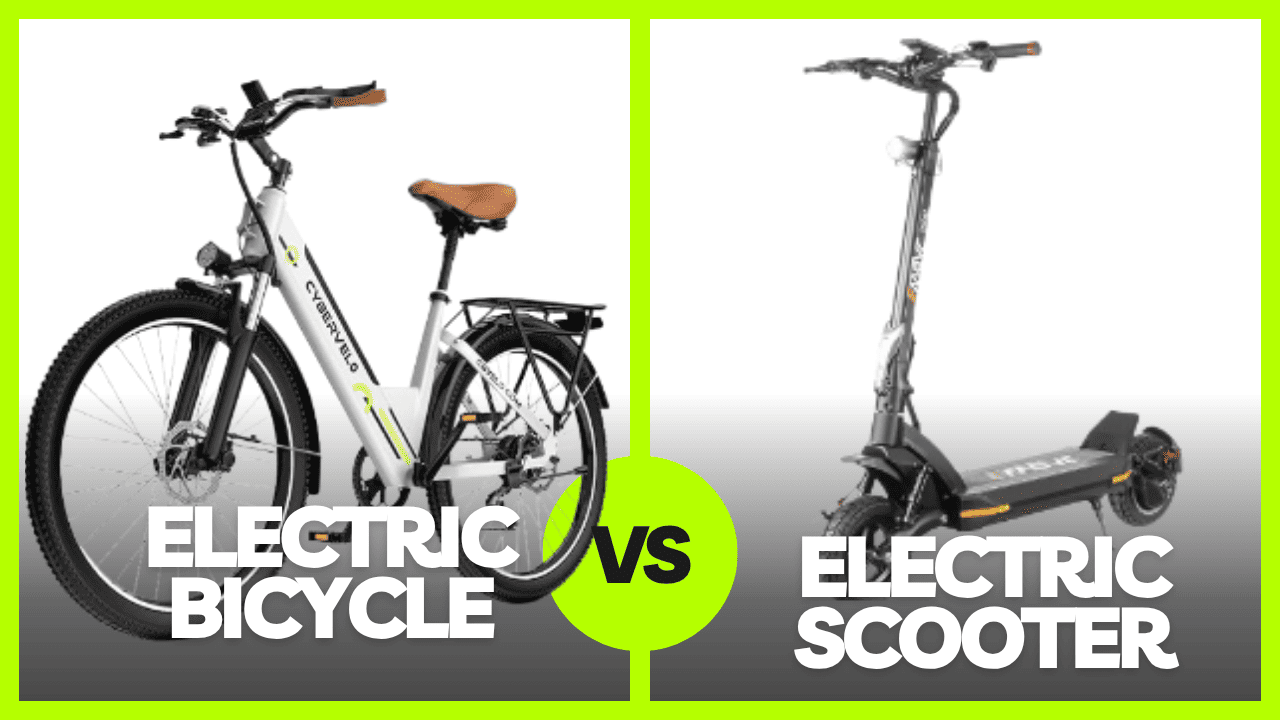
An electric scooter is a standing, foldable personal electric vehicle (PEV). The hub or belt drives the small wheels (usually 8 to 11 inches), allowing you to drive the scooter, but with no kicks. It can be folded down in less than 10 seconds, and can be tucked away in a closet, trunk, or perhaps beneath a desk at the office.
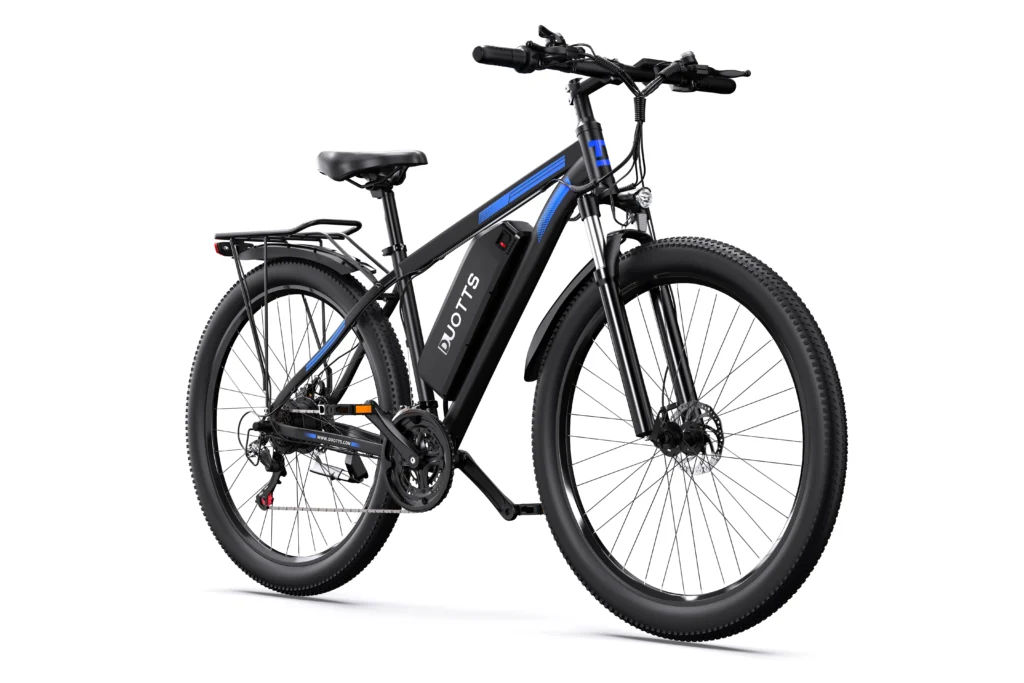
An electric bicycle is more similar to a normal bicycle. It comes with seats, pedals with gears as well as a motor to assist your pedaling (pedelec) or provides the power to throttle when you need it. It’s larger and heavier, but it’s able to ride as a real bike because, in its mechanical aspects, it is one. Understanding the differences between an electric scooter vs electric bicycle helps buyers choose the right option for commuting, recreation, or daily transportation.
In the US, electric bikes fall into a three-tier system that matters much more than what most buyers realize:
| Class | How it works | Top speed |
| Class 1 | Pedal-assist only, no throttle | 20 mph |
| Class 2 | Throttle-assisted, no pedaling required | 20 mph |
| Class 3 | Pedal-assist with required speedometer | 28 mph |
E-scooters don’t have an equivalent standardized system, which is exactly why their legal status varies so much from one city to the next.
The Real Difference Isn’t Speed — It’s Fit
When comparing an electric scooter vs electric bicycle, the biggest difference isn’t speed—it’s how well each fits your daily commute. Search around, and most comparisons stop at “scooters are cheaper, bikes are more comfortable.” True, but incomplete. The decision that actually matters is whether the vehicle fits your commute pattern, not just your budget.
Distance and Terrain
When comparing an electric scooter vs electric bicycle, range figures on a box are best-case numbers. Real-world range depends on rider weight, wind, tire pressure, and hills — and this is where the two vehicles diverge sharply.
- Electric scooters typically deliver 15–40 miles per charge. That range drops fast on inclines because small wheels and lighter motors don’t handle grade well.
- Electric bikes typically deliver 20–70 miles, partly because the rider’s own pedaling contributes power, especially in pedal-assist mode.
If your commute includes a meaningful hill, a scooter will get you there — slower, and with more battery drain than the spec sheet suggests. An e-bike handles the same hill with far less strain, largely because of gearing and torque delivery from a mid-drive or hub motor built around cadence and torque sensors.
When I conducted my own test side-by-side along the same six-mile steep hill, a middle-range scooter lost nearly 1/3 of the range it advertised; however, an e-bike of a similar price was much more in line with the number it was rated at. This gap is the single most frequent source of discontent I’ve witnessed. For riders dealing with hills and longer commutes, the electric scooter vs electric bicycle comparison clearly favors electric bicycles.
Comfort Over Time
A scooter’s standing posture puts more load on your wrists, knees, and lower back — and small wheels transmit every crack and pothole straight up through your legs. Over a five-minute ride, that’s nothing. Over a 30-minute commute, it adds up.
In an electric scooter vs electric bicycle comparison, the e-bike’s seat and large wheels help absorb road imperfections better. This is one reason why those with joint pains or commutes that are longer prefer bikes over scooters, almost without exception. In terms of long-distance comfort, the electric scooter vs electric bicycle comparison usually favors e-bikes.
Cost Isn’t Just the Sticker Price
| Feature | Electric Scooter | Electric Bike |
|---|---|---|
| Typical purchase price | $300–$1,200 | $900–$3,500 |
| Charging cost | Pennies to under $1 per full charge | Pennies to under $1 per full charge |
| Maintenance | Tire punctures, hinge wear, brake pads | Drivetrain, tires, brakes — standard bike-shop upkeep |
| Range (per charge) | 10–40 miles (16–64 km) | 20–80+ miles (32–129+ km) |
Looking beyond the purchase price is essential when comparing an electric scooter vs electric bicycle, especially over several years of ownership. Scooters get sticker price win. But the costs of ownership in 12-24 months tell the full tale: e-bikes retain the potential for resales better, tend to require less frequent parts replacement per mile or driven, and, for drivers who deliver or for fleet operators, usually get ahead in cost-per-mile after you take into account parts wear and downtime for the scooter’s smaller components.
The last part is much more crucial than the majority of guides that focus on consumers. If you’re considering comparing these vehicles for a delivery service, a campus mobility program, or a shared rental service, the equation is different.
- Liability exposure is higher per unit on scooters, largely due to smaller wheels catching in cracks and grates.
- Maintenance downtime tends to be lower on e-bikes, since bike-shop parts and labor are widely available almost everywhere.
- Insurance premiums for fleet operators often reflect this — vehicles with a documented safety record and certified components tend to see better terms.
If you’re sourcing at fleet scale, ask suppliers directly about UL 2272 certification (covering electrical/battery fire safety for scooters) and UL 2849 (covering e-bike electrical systems). In the EU, look for EN 15194 compliance on e-bikes. These aren’t marketing terms — they’re the actual standards regulators and insurers check first. A supplier who can’t point to them is a red flag.
Safety: Neither Vehicle Wins Outright
Safety is another major factor in the electric scooter vs electric bicycle comparison. Comparisons of safety are often simplified into “bikes are safer” or “scooters are safer,” but both frames. Still, bothy the message. Risks are only differing in form.
Scooters carry more risk from:
- Small wheels catching in potholes, grates, and expansion joints
- Standing posture gives less recovery margin in a sudden stop
- Lower rider height reduces visibility to drivers
E-bikes carry more risk from:
- Higher achievable speeds, especially Class 3 models
- Greater weight, which extends the stopping distance
- More frequent riding in mixed traffic and bike lanes
Whichever you choose, the basics don’t change: wear a certified helmet every time, run lights at dusk and night, and treat wet leaves, painted lane markings, and metal grates as genuinely slippery — they catch more riders off guard than actual rain does.
Legal Status: Check Before You Buy, Not After
Before choosing between an electric scooter vs electric bicycle, always check your local laws. It’s the one that the majority of customers skip and is what causes most grief. E-bikes have a uniform classification system throughout the US and a large portion of the EU. So, a Class 1 or Class 2 bike is considered similar to a normal bicycle in most places.
Scooters don’t have that consistency. Some cities cap speed at 15 mph regardless of what the motor can do. Some ban sidewalk riding outright; others require it. Some require registration; most don’t. The rules also differ meaningfully across regions — a scooter that’s fully street-legal in parts of the US may fall under stricter throttle or licensing rules in parts of the EU or APAC.
Before buying either vehicle, make sure you check the local laws of the country instead of basing your decision entirely on what you read on the company’s website. A device can technically reach 25 mph, but that does not indicate that you’re legally allowed to use it at that speed within the region you live in.
Storage, Portability, and Weather
If you live in a walk-up apartment or need to combine your ride with a train or bus, this section may decide the whole question for you.
- Scooters fold up in a matter of seconds. They are light enough to be carried up the stairs, onto elevators, or even into trains — great for last-mile trips with public transportation.
- E-bikes weigh more and are larger; the majority of them aren’t foldable, and the ones that do fold are heavier than folding scooters. The majority of them require a garage, a shed, or dedicated bike storage.
Weather also dictates which vehicles to choose; larger e-bikes with pneumatic tires have better traction on rough or wet pavement, while small and hard wheels of scooters lose grip more quickly in rain, becoming sensitive to uneven or loose gravel surfaces and sensitive to uneven or loose gravel surfaces. Neither type of vehicle fares well on ice or snow without specialized tire solutions. Storage requirements can often decide the electric scooter vs electric bicycle debate for apartment dwellers.
So Which One Should You Actually Buy?
Run through these in order: If you’re still deciding between an electric scooter vs electric bicycle, ask yourself these questions first.
- How far is your typical trip? Under 5 miles, flat — scooter. Over 8 miles, or with hills — e-bike.
- Do you need to carry it upstairs or onto transit? If yes, the scooter’s fold-and-carry advantage is hard to beat.
- Do you need to carry cargo, groceries, or a passenger? E-bikes handle racks and panniers far better.
- What does your local law say about each? Confirm before you buy, not after a ticket.
- What’s your budget band, including 12–24 months of upkeep — not just the purchase price?
If you can, test ride both. Comfort is personal, and no spec sheet substitutes for how a vehicle feels under you for twenty real minutes.
Common Questions
Is an electric scooter cheaper than an electric bike?
The truth is that electric scooters could cost less than their bicycle counterparts on the market. Still, high-end models may make your purchase more costly than an affordable electric bicycle.
Which is safer, an e-scooter or an e-bike?
There’s no way to be sure that either or both are safe at all times. Scooters are more prone to accidents due to the small wheels, as well as standing. E-bikes pose a greater danger due to their speed and weight. The use of helmets and awareness on the road is more important than the vehicle design itself.
Can you ride an electric scooter on the road?
In many places, yes, but rules vary significantly by city and country — some require bike lanes, some cap speed well below the device’s actual top speed.
Do e-bikes need a license?
A majority of Class 1 or Class 2 electronic bikes do not require permits within the US. Certain regions have stricter regulations regarding the Class 3 models. The requirements outside the US are more diverse.
How far can an electric scooter go on one charge?
Most commonly, 15-40 miles, dependent on the rider’s weight, the terrain, and the battery’s size. The actual range of a battery is typically smaller than the claims of marketing, particularly on steep hills.
Are e-bikes worth it for commuting?
In commutes that go over five miles, especially with the possibility of an elevation change, many riders prefer riding electric bikes, with their greater distance, comfort, and a better experience when climbing hills. This helps offset the costly initial price.
Is it cheaper to run an e-scooter or e-bike delivery fleet?
It is contingent on the length of the route and the terrain; however, E-bikes typically do well on cost-per-mile when fleet size is considered, after maintenance time and availability of parts are considered, and even if scooters will cost less upfront.
The Bottom Line
In the electric scooter vs electric bicycle comparison, there’s no universal winner. here — only a better fit for your specific trip. Short, flat, and space-constrained points toward a scooter. Longer, hillier, or cargo-heavy points toward an e-bike. Measure your actual commute, check your local rules, and let those two things — not the marketing copy — make the call.
An important note about accuracy: Note: The range, pricing, and speed numbers in this post reflect markets in 2026. They may differ based on manufacturer and model. Safety standards mentioned (UL 2272, UL 28,49 EN 15194, UL 2272) as well as the classification of e-bikes (Class 1/2/3) are up-to-date as of the date of publication. However, they are subject to changes in the region. Always check the local authority for transportation before making a purchase. This article is not legal advice.
About the author: M. Huzaifa is the founder of ElectricScooterAnalysis.com, covering hands-on testing and comparison research across e-scooter and e-bike models, along with fleet procurement consulting for delivery and campus mobility programs.
“The information on this website is gathered from industry reports, manufacturer specifications, expert reviews, and trusted sources such as Electroheads to provide accurate and valuable insights for our readers