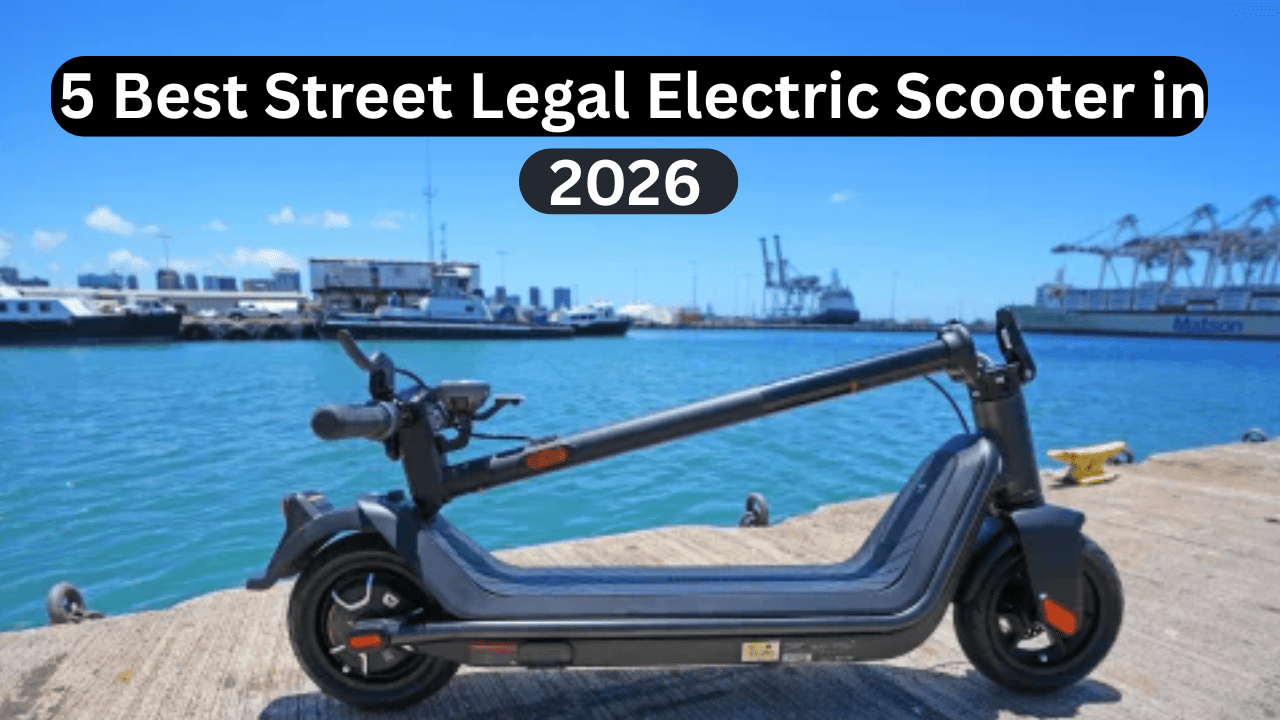
A Street Legal Electric Scooter complies with the speed, power, and equipment requirements of your state or country for public road usage. This generally means a speed limit of 15 to 20 miles per hour, motor power between 250W to 750W, and functional equipment like lights, signals, and a horn. However, “legal to own” and “legal to ride in public” are not the same, and the distinction between the two is greater than most buyers realize.
The distinction between the two is perhaps essential to be aware of before you invest the money to purchase the one you want. For instance, in the United States, a compliant scooter is usually able to go directly into a bike lane at the time you purchase it. However, in the United Kingdom, the same scooter that is owned by a private owner cannot legally be used on the public roadway, no matter if it is equipped with every safety device included in the guide. Many articles in this area do not explain this clearly; this is the reason the majority of buyers are frustrated, fined, or both.
What “Street Legal” Actually Requires
Street Legal Electric Scooter status doesn’t depend on the speed or power of the scooter, but rather on what guidelines your state has set for electric vehicles with low speeds. These rules typically follow the same pattern, although the precise numbers vary depending on the location.
Scooters that are aiming to achieve street legality will typically require:
- A headlight in the front, which is visible from a decent distance in the dark
- Rear red light, or reflector
- Turn signals or riders who are able to use precise hand signals
- Horns or bells
- The speed limiter is set at the legal limit for your area.
- A ceiling on the power of motors that allows it to be classified as a low-speed scooter instead of a moped.
If a street legal electric scooter reaches the threshold of power or speed that your area sets, it ceases to be considered a “scooter” in the legal sense and turns into more of a motorcycle or moped, and is subject to registration, insurance, and licensing obligations that the majority of users didn’t know about when they purchased it.
The Marketing Trap to Watch For
There are a lot of street legal electric scooter listings advertising scooters that can go 25 to 55 mph. Most spots won’t allow riding at speeds beyond what local rules define as roadworthy, despite zones designed for faster travel often requiring bikes to be labeled mopeds or motorcycles. When a web seller labels a 40 mph scooter fit for roads but skips saying exactly where, doubt that label until proven otherwise. What counts as allowed shifts from one area to another—never assume it’s universal just because numbers match on paper.
Why This Distinction Matters
A scooter that isn’t compliant in public areas isn’t an insignificant technical issue. There could be fees, the scooter getting taken away, or even an insurance claim being rejected following a collision since the vehicle wasn’t legally allowed to be on the road at all.
Additionally, it affects the everyday conveniences, such as whether you are able to legally place your bike on a rack or use a bike lane without being stopped, or be eligible for a nearby micromobility program your town gives. This isn’t the case in the event that your bike doesn’t comply with standard equipment requirements.
Who Actually Needs a Street Legal Electric Scooter
| Rider Type | Why It Matters |
| Daily commuters | Need legitimate road and bike-lane access for full trips, not just sidewalks |
| Delivery riders | Cities increasingly require compliant equipment for operating permits |
| Students | Campus-to-town routes often cross public roads, not just private paths |
| Rural riders | May need registration for farm-to-market roads |
| Renters/tourists | Rental fleets are pre-compliant, but riders still need a valid licence in many cities |
United States: Generally Permissive, But Not Uniform
In a majority of US states, a street legal electric scooter may be used on streets with smaller speed limits that are posted and, in most cases, bike lanes, and without a driver’s license. New York State law, in particular, permits electric scooters when they are on roads with a speed that is 30 mph or lower; however, the scooter’s speed is limited to 15 miles per hour under the law governing vehicles in New York State, which causes confusion for many users who believe that the scooter’s claimed top speed is what matters.
California is governed by a similar principle that permits scooters when the speed limit is 25 mph or less, walking on sidewalks is prohibited, and drivers must have an active driver’s license or learner’s license. Helmets are required only for those under the age of 18 years old.
It’s not that any of these is federally standardized. An automobile that is legal within Texas may not meet the stricter requirements of New York’s regulations on equipment or city ordinances that could restrict state law even more. If you’re looking to purchase a scooter for a particular city to think about, then a visit to the city’s official transportation page will be worth the time it takes. State law sets the standard and is not the only one.
Quick US Snapshot
| State | General Rule |
| California | Capped around 15 mph on roads under 25 mph limit; license/permit required; no sidewalks |
| New York | 15 mph legal cap; allowed on roads posted 30 mph or under; sidewalk riding banned |
| Texas | Treated similarly to bicycles; no state registration, but city ordinances vary |
| Florida | Riders must be 16+; no license required; local rules can be stricter |
United Kingdom: A Completely Different Picture
That’s where the vast majority of international purchasing guides fail due to the fact that UK laws treat privately owned electric scooters in a completely different manner than those in the US.
In the UK, electric scooters are legally classed under the category of “powered transporters” under the Road Traffic Act 1988 -an identical broad classification which covers motor vehicles. So, a private scooter is legally required to have registration, insurance, and tax, as well as a design standard that virtually no consumer-grade scooter can meet. The law prohibits you from using the scooter in public streets, pavements, and cycle roads. It’s legal to utilize it, however, only when it is on private land after having permission from the owner of the land.
Rental scooters aren’t the only option. For cities and towns that are running trials by the government where you are allowed to legally use an e-scooter rental from an authorized operator, such as Lime, Voi, or Dott, on the public road and cycle lanes, but not on roads. In order to do this, it is necessary to have either a full or provisional UK driving license with Category Q eligibility, and the company that rents you an e-scooter provides third-party insurance as a part of the package.
The consequences for not heeding this are serious and precise. The act of riding a private scooter in public areas could be punished with a fixed notice, points added to your driver’s license, or the vehicle being confiscated for not having insurance. It is reported that the Metropolitan Police has confirmed fines that range from £ 100 to £ 300, according to the type of offense, and additional fines in cases of sidewalk use or using a phone during the ride.
The situation is evolving. Since mid-2026, the UK government has confirmed plans to permit private scooters in public areas by introducing new safety rules for the nation that cover obligatory lighting, braking requirements, and fixed speed caps. However, at the time of writing, the legislation hasn’t been approved through parliament. If it doesn’t, then the existing rules are in place, and anyone who claims that they are not is evading the law.
Europe and Beyond: Expect Variation
Outside of the US as well as the UK The rules for both countries differ according to the country. Ireland legalized e-scooters for use on roads in 2024. It follows an identical path to what is happening in the UK, which is working towards. France, in contrast, is a bit more strict in certain cities, following Paris citizens voted in a majority to eliminate the shared fleet of rental scooters; however, privately-owned scooters remain an issue of law.
It’s important to remember not to believe that the legality of a scooter transfers over borders. An item that is legal within one EU country could be completely non-compliant when it comes to the next country.
Registration and Licensing: A General Path
If registration is mandatory in order to register, the procedure tends to be similar regardless of the country:
- Determine your scooter’s classification (low-speed moped, scooter, or motorbike — determined by its wattage and maximum speed.
- Review the checklist of equipment with your specific requirements, including lights, signals, mirrors, and horns.
- Verify if the VIN or serial number is needed in order to title the property.
- Check with the local DMV or transportation authority to register if you are eligible -the majority of low-powered scooters can be registered for free.
- Insurance coverage that is secure for your scooter if it is considered to be above the standard low-speed limit.
- Check the licensing requirements, which include a basic driver’s licence, moped permit, or, in the case of the UK, the category Q entitlement.
Battery Safety: The Underrated Compliance Factor
The lists of equipment tend to concentrate on speed limiters and lights; however, the safety of batteries is in the same way, and especially because lithium-ion batteries that explode due to improperly regulated or overcharged devices have been documented as a security risk. Numerous jurisdictions are now requiring batteries to be tagged with a clear charger safety label, along with UL2272 certification, which covers both fire and electrical safety regulations in personal devices for e-mobility. This has become a common purchasing filter, even though there isn’t a definite, legally binding requirement.
If an advertisement doesn’t include UL 2272 or the equivalent certificate, it’s a good idea to inquire prior to purchasing, especially when it comes to models that are more powerful and have bigger batteries.
Costs to Expect
- Cost of purchase: Compliant commuter-class scooters generally range from just a couple of hundred dollars, but can go up to four figures, contingent on range, power, and the construction quality (source the latest listings of retailers).
- Fees for registration: Where applicable, typically a small annual or one-time fee by the local DMV or the transport authority.
- Insurance: Often optional for low-powered scooters in the US, and is often obligatory for UK rental, as the rental company provides insurance from a third party in the rental cost.
- Maintenance: The cost of brake pads, tires, and eventually battery replacements is the primary recurring cost across all regions.
Common Mistakes Buyers Make
- In the event that a company’s “street legal” label applies anywhere, even though it’s often designed with a specific country or perhaps one state in mind.
- If you are buying a speedy 25-plus speed performance scooter, and thinking it is road-worthy, however, it most likely needs moped certification instead.
- It is not permitted to ride on sidewalks when it’s prohibited, not even in areas where bike or road-lane cycling is allowed.
- In the UK specifically, it is assumed that having a legal scooter implies that riding it on public roads is legal as well — These are two different issues
- Not checking the battery’s certification, particularly on less expensive imported models.
Street Legal vs. Performance Scooters: Quick Comparison
| Category | Typical Power | Typical Speed | Legal for Public Roads? |
| Commuter-class | 350–750W | 15–20 mph | Usually yes, with required equipment |
| Mid-power street models | 800–1,200W | 20–28 mph | Often yes, depending on jurisdiction |
| High-power “performance” scooters | 1,200–2,000W+ | 28–55 mph | Rarely — usually requires moped/motorcycle registration |
Popular Street Legal Electric Scooter in the US
Namely, naming specific models is less helpful than knowing the tier they belong to, as the lawfulness of each model always depends on the state’s specific power and speed limits.
NIU KQi3 Series Street Legal Electric Scooter
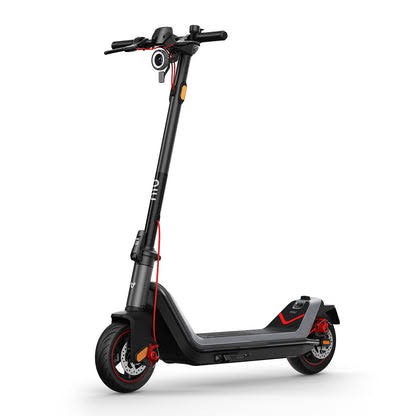
The model is within the majority of states’ street legally-enforceable limits. It can run between 20 and 23 mph. It comes with turn signals as well as a front suspension designed to provide safety on city roads.
Gotrax G4 Pro Street Legal Electric Scooter
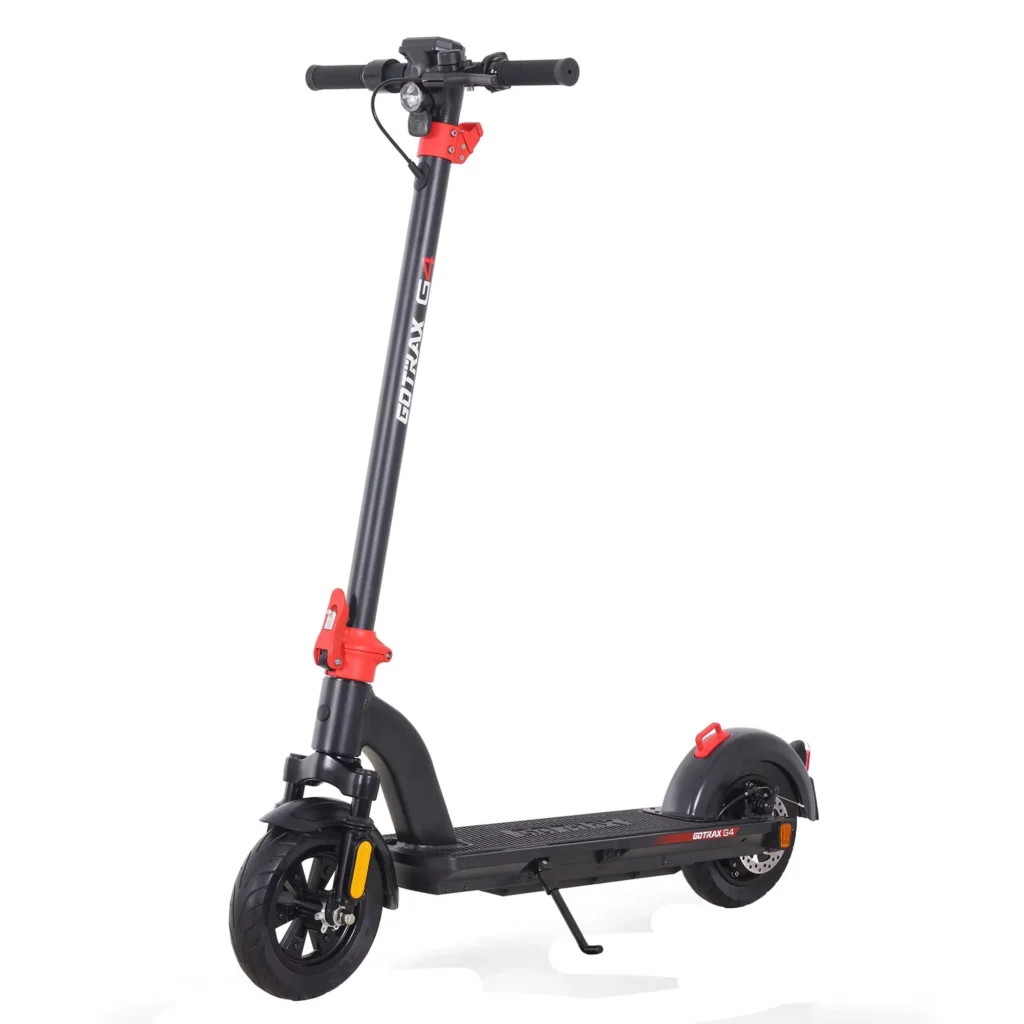
A 500W motor that is capped at 20 mph puts this scooter at the lower end of the power scale, as well as a comprehensive illumination system, including front and rear headlights, a taillight, and turn signal lighting.
Apollo City Pro Street Legal Electric Scooter
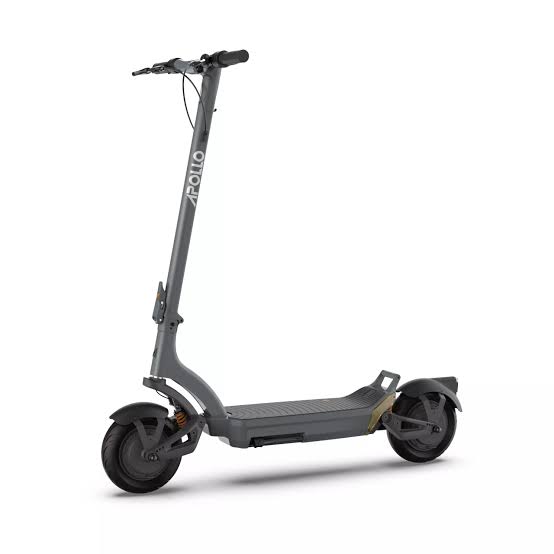
Midway through the commuter lineup, you’ll find this scooter hitting speeds as high as 32 mph. It runs on dual motors, uses hydraulic brakes, and includes turn signals, too. Registration or a license? That depends – state rules differ. Some places will ask for one, others won’t.
EMOVE Cruiser S
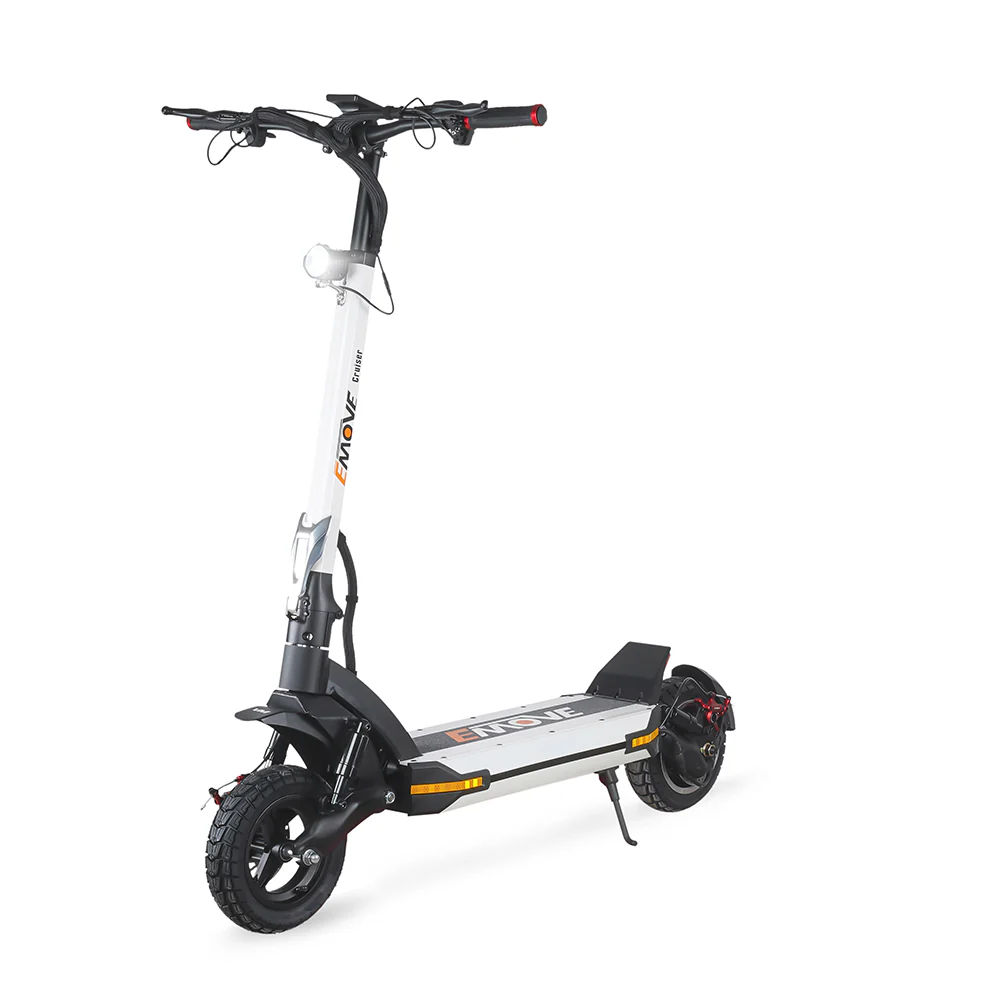
Additionally, in the mid-powered segment, this model has the same 33-mph top speed and includes IPX6 water resistance as well as rear and front suspensions for long trips.
Dualtron and Nami (High-Power Models)
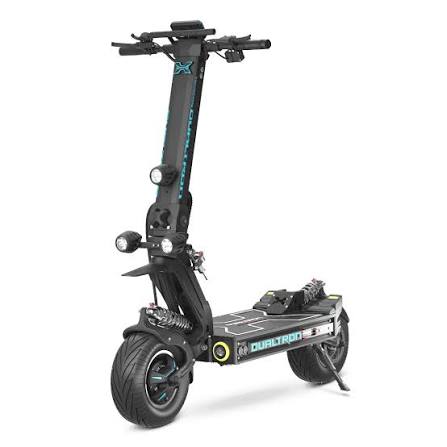
Not fast ones made by companies such as Dualtron or Nami, those going past 30 miles per hour hardly fit into regular scooter groups at all. Most places across the country insist vehicles like bikes or small motorized rides must be registered before they can show up on public streets.
Equipment alone doesn’t guarantee legality. Make sure to verify your state’s speed and wattage limits prior to assuming that the models listed above are suitable for use on roads where you reside.
FAQ
Do you have the right to use an electric scooter while on public roads?
In many parts of the US, riding one depends on following local rules about how fast it can go and what gear it has. By contrast, in the UK, personal e-scooters cannot be used legally on streets before around 2026 — rented models with proper authorization are the sole exception.
Do I require authorization for an electric scooter?
It all depends on the area you live in. Many US states do not require registration for electric scooters that have low power, but some states, including California, require an active driver’s license or learner’s permit. UK rentals require an initial or complete license with the category Q eligibility.
What is the speed that makes scooters unconstitutional when they are on a sidewalk?
Riding on sidewalks is usually banned in most US cities, as well as in the UK, regardless of how fast, as sidewalks are designed for pedestrians.
Do electric scooters require insurance?
Usually not for electric scooters with low power in the US. In the UK, it is illegal to ride without insurance on public roads (even with a rental scooter that is not part of the rental program), which carries a risk of the issuance of a fixed penalty and points added to your licence.
Do I have to modify my scooter to be street-legal?
You can add necessary lights, signals, and mirrors; however, speeds and power limits on the hardware aren’t always adjustable enough to comply with the legal requirements without making changes at the manufacturer level.
Are UK e-scooter laws changing?
Yes. The UK government has indeed confirmed its plans to permit private scooters for public roads. They have also announced the introduction of new safety standards for brakes, lighting, and speed limits. In mid-2026, the law was announced, but it has not yet been enacted into law.
What makes certain “street legal” scooters go over 40 miles per hour?
That speed range generally falls outside of what any area defines as a standard low-speed scooter. Lists that employ “street legal” loosely for speedy models typically refer to the moped classification compliance and not the standard law for scooters. Be sure to check the specific rules of your local jurisdiction prior to accepting that the term is applicable to the model you are using.
Final Word
There’s not a single standard worldwide that defines the elements that make an Street Legal Electric Scooter; it’s all about the country, state, or city’s set of rules, as well as the specific requirements for registration and equipment that meet the requirements. Before you purchase, make sure to confirm your speeds and power limits, check the equipment required checklist, and confirm that registration and insurance or a license are required in the area you plan to go. If you’re in the UK or anywhere else in Europe, be sure to confirm whether private ownership riding is legal. That one question can affect your entire purchasing option.
“The information on this website is gathered from industry reports, manufacturer specifications, expert reviews, and trusted sources such as Electroheads to provide accurate and valuable insights for our readers