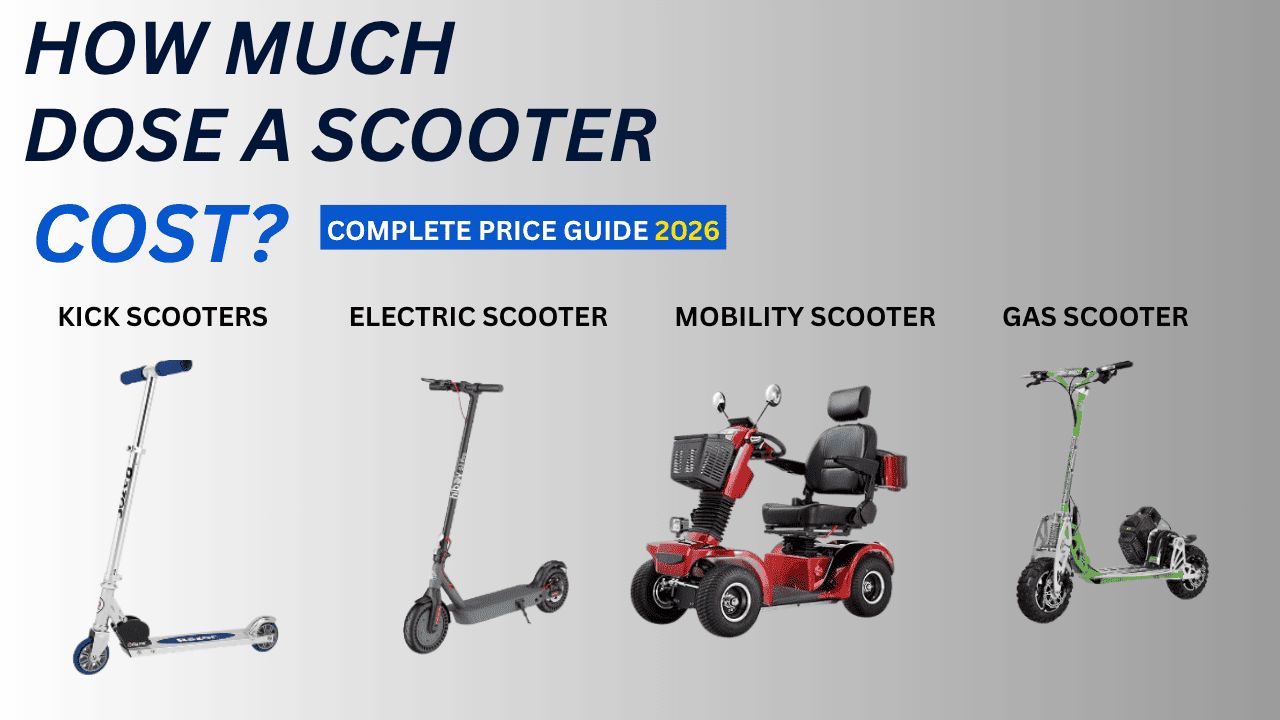
The Short Answer: Scooter Price at a Glance
If you’re trying to figure out how much does a scooter cost is, it’s based on what kind of scooter you select. The cost of scooters varies from $30 to $6,000 based on the model and specifications as well as the purpose of use. The cost of kick scooters usually ranges between $30 and $300. Electric scooters range from $150 to $3,000. Mobility scooters typically cost between $600 and $5,000. Mopeds powered by gasoline typically cost between $1,000 and $3,500. If you don’t want to buy a new scooter, renting it can be a good option. It generally costs just $1 to unlock, and $0.15 to $0.45 each minute
The knowledge of how much does a scooter cost will help you decide the right choice for your budget as well as requirements for riding.”
| Scooter Type | Typical Price Range | Best For |
| Kick scooter | $30 – $350 | Kids, adults, short recreational trips |
| Electric scooter | $150 – $3,000+ | Commuting, last-mile transport |
| Mobility scooter | $600 – $5,000+ | Accessibility, seniors, medical need |
| Gas-powered scooter (moped) | $1,000 – $3,500+ | Longer range without charging |
| Scooter rental (Lime, Bird, etc.) | ~$1 unlock + $0.15–$0.50/min | Occasional or one-off rides |
This is the actual number. Let’s see how it’s explained.
Scooter Means Five Different Things
The reason why How Much Does a Scooter Cost can be difficult to answer in a single sentence is that “scooter” isn’t one product. It’s a broad category comprising at least five sub-types, and each one has its particular price metric:
- Kick scooters — manual, foldable, no motor
- Electric scooters — that are battery-powered, standing, stand-up, or sitting
- Mobility scooters — that sit motorized, designed to provide accessibility, not for
- Gas-powered scooters (mopeds) — engine-driven, often requiring registration
- Rental and Rideshare scooters — Lime, Bird, Spin, and others, cost per trip rather than the ones owned by owners.
If you’ve searched How Much Does a Scooter Cost to find an electric scooter, your first important decision will not be “how much” — it’s “which of these five.”
Kick Scooters: $30-$350
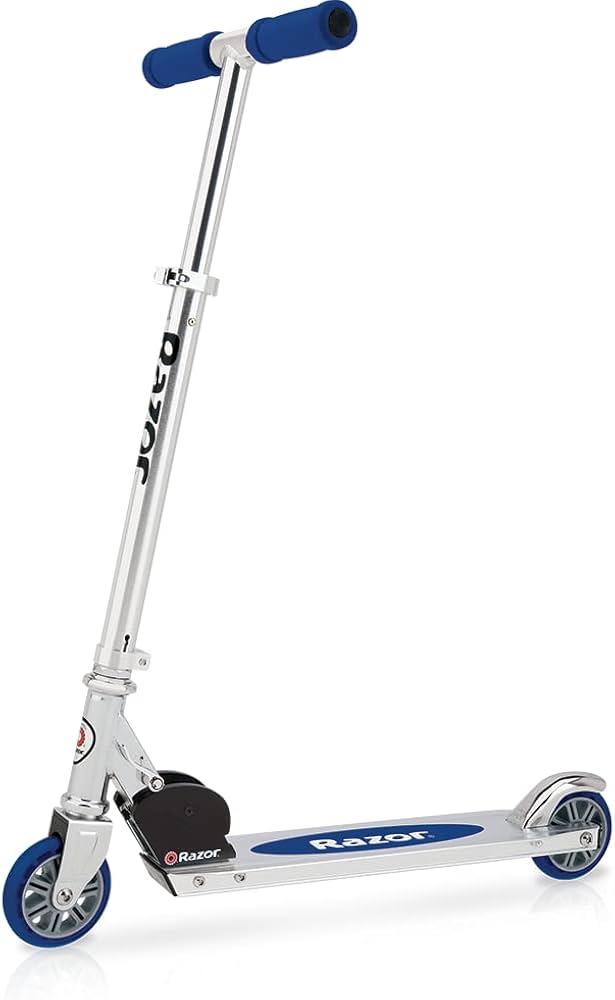
When considering How Much Does a Scooter Cost, kick scooters are among the most affordable because there’s no motor or battery to be paid for. The price is largely affected by the material used for frame dimensions, wheel sizes, and the build quality.
- Kick scooters for kids (brands similar to Razor’s basic models), approximately $30-$70
- Models for kids that are performance and have more wheels, or front suspension, between $60 and $150
- Scooters for adults and stunts/tricks between $100 and $350, with aircraft-grade aluminum decks, as well as precision bearings, drive the cost up.
When comparing How Much Does a Scooter Cost, Razor is perhaps the most well-known name in this field. The Razor lineup shows the variety well. Basic folding models are on the lower end of the spectrum, as models with larger wheels, suspensions, or lighter-up wheels are at higher levels of this range. The prices vary depending on the retailer, and so it’s worth looking at several before purchasing.
When deciding How Much Does a Scooter Cost, you should double-check two factors prior to purchasing: (1) weight capacity (children’s models are typically capped around 110-150 pounds), as well as (2) conformity to accepted safety standards like ASTM F2264, which governs kick scooters and load tests within the US. The established brands might provide better quality assurance in the area of welding or folding mechanisms, as well as brake hardware -the components most susceptible to failure when used regularly.
Electric Scooters: $150-$3,000+
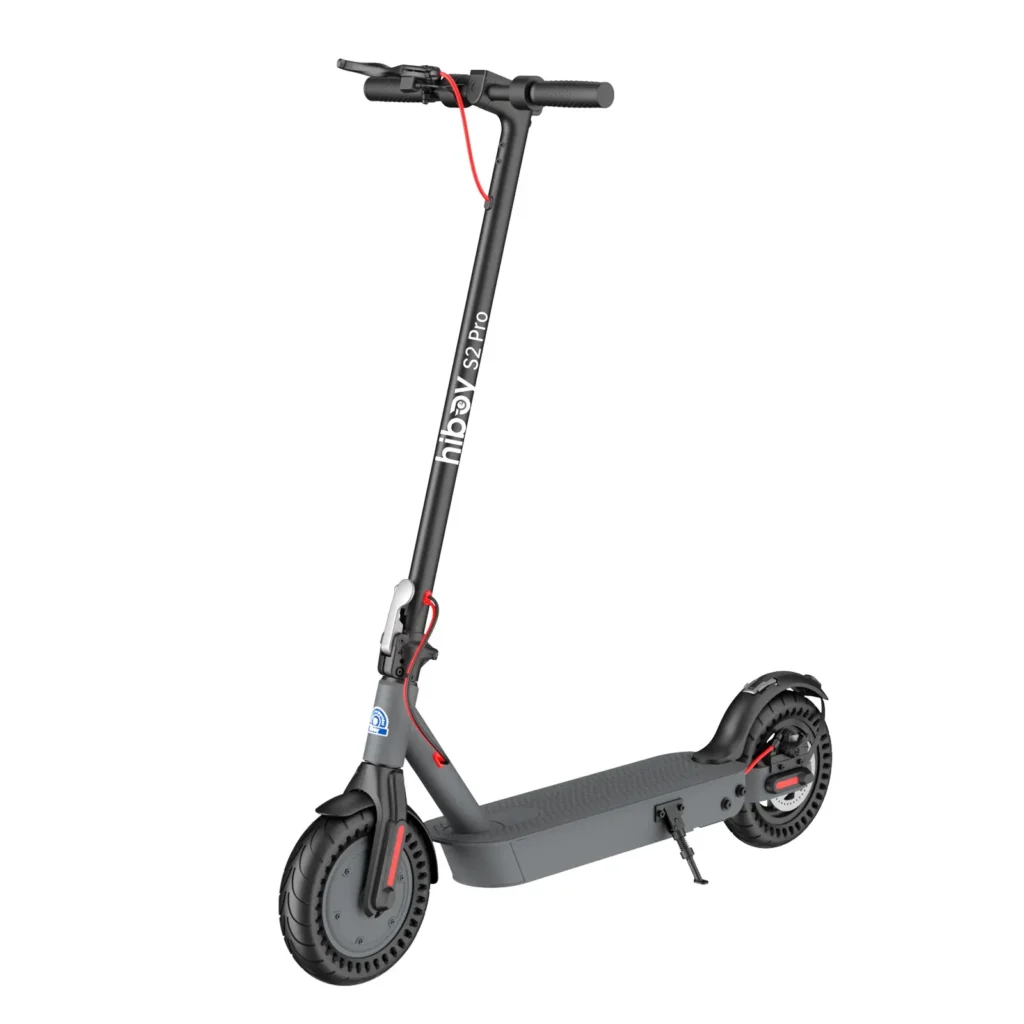
It is the primary group of people who are looking for “how much does a scooter cost,” and this is also the most frequently used available option since the cost is directly related to the capacity of batteries as well as the power of the motor.
The entry-level ($150-$500) Batteries are smaller (under 250Wh), with a 10 to 15-mile range. Top speeds of around 15mph. Brands such as Gotrax are typical examples of this category.
Mid-range ($500-$1,200) with better suspension, 20-40 miles range, top 20-25mph speed — the perfect location for everyday commuters. Segway-Ninebot’s popular commuter lines generally arrive in this area.
High-performance ($1,200-$3,000plus) Two motors with off-road tires between 40 and 75 miles, speeds of up to 50 miles per hour. Xiaomi and Segway both have models that are in this category, along with the performance-focused brands.
When evaluating How Much Does a Scooter Cost, the most significant cost factor is battery capacity, expressed in watt-hours (Wh). The larger the battery, the more it doesn’t just increase the price, but tends to increase it in a way that is not proportional, as it influences its range as well as the amount of energy the motor is able to sustain.
If you’re comparing How Much Does a Scooter Cost, a mid-range model will usually be sufficient if your journey is less than five miles over flat terrain.
Any more than that will cost you for power and range you don’t need.
When comparing How Much Does a Scooter Cost, there are two important aspects to consider: the IP ratings (water/dust resistance) and the battery’s certification. A rating of IPX4 or greater indicates that the vehicle can withstand mild rain without causing damage, which is more important than many customers expect. A shocking number of returned items or early problems are traced back to exposure to water rather than mechanical wear.
When considering how much does a scooter cost, safety certifications should be just as important as the price. Look for UL 2272 certification, which tests the battery and electrical system for fire safety and has become the industry standard after several high-profile battery fires in the e-mobility sector. A scooter that costs $50–$100 less but lacks this certification may seem like a bargain, but it can significantly increase safety risks. When comparing how much does a scooter cost, always factor in certified safety, not just the purchase price.
Mobility Scooters: $600-$5,000+
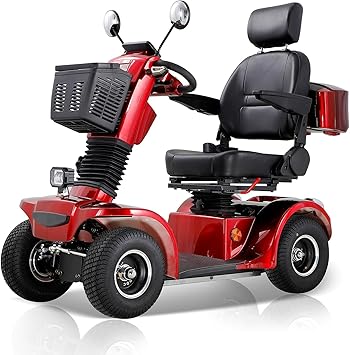
How Much Does a Scooter Cost for mobility scooters is determined by their classification and capability to traverse terrain, and not according to “performance” in the way electric scooters for commuters are.
| Class | Price Range | Use Case |
| Travel/folding | $600 – $1,500 | Airports, indoor use, light travel |
| Mid-size | $1,200 – $2,500 | Daily errands, mixed terrain |
| Heavy-duty/all-terrain | $2,500 – $5,000+ | Outdoor use, higher weight capacity |
When researching How Much Does a Scooter Cost, brands such as Pride Mobility and Golden Technologies have the upper hand in this market.The pricing of their products generally is based on the same structure of class, regardless of the brand.
It’s often overlooked that mobility scooters are sometimes partly covered by Medicare as well as private insurers if the doctor has a medical need to justify, which is usually categorized by the insurer as durable medical equipment (DME) as opposed to the typical retail purchase. Reimbursement rules and guidelines differ significantly from one country of origin to another, which is why it’s an important issue to talk directly with your insurance company rather than assuming that it will be covered in any way.
While price is important, what will determine your daily enjoyment with every scooter purchase is finding one that is able to turn at the proper radius and clearance to fulfill its purpose. Smaller models that have tight turns are much easier to maneuver inside and around narrow aisles in stores. The smaller wheels and less ground clearance can be a problem on grass, gravel, or sloping sidewalks, the kind of terrain that is designed specifically for high-end models.
Prior to purchasing, it’s important to confirm that the company or dealer has quick repair and parts accessibility in the area you live in. Mobility scooters are typically utilized as the primary mobility devices, and those that can’t be repaired locally can leave you stuck for weeks in the event of a breakdown.
Gas-Powered Scooters (Mopeds): $1,000-$3,500+
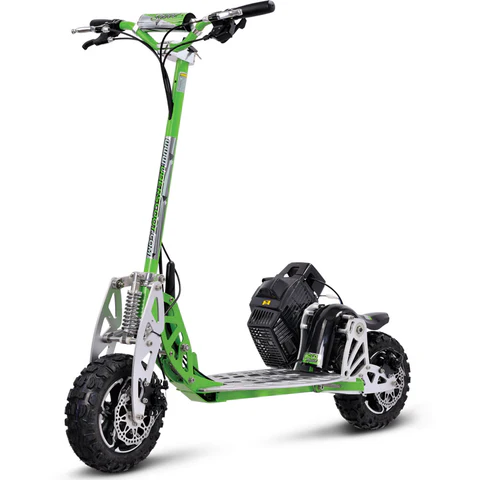
When asking How Much Does a Scooter Cost, gas scooters—sometimes advertised as mopeds—usually cost anywhere from $1,000 to $3,500.
- 50cc scooters (often without a license for motorcycles in the US, although rules may differ depending on the state) $1000-$2,000
- Middle displacement (50cc-150cc) $ 1,500 to $3,500
- The larger displacement models begin to overlap with prices for motorcycles, and could go over $4,000
Its appeal lies in its range as well as the speedy refilling of fuel rather than charging for a long time. There is a cost for ongoing maintenance -oil replacements and spark plugs, emission control, as well as license and registration requirements that vary not only by nation, but also according to city or state. Making sure you are aware of the local DMV regulations prior to purchasing is well worth the time it will take.
If you’re purchasing a gas scooter, make sure you verify the VIN and title prior to giving any money. The scooter with no clear, transferable title could be a major expense at the time of registering the vehicle in your name. You should also inquire whether the scooter meets the current emission standards within your country or state, as older or grey-market imports may not, and may prevent registration regardless of how smoothly the vehicle performs.
The liability insurance option is available in some states and mandatory in other places once the scooter is officially registered as a moped, which is why this aspect is to be verified locally instead of believing that it will work in the same manner all over the world.
Renting vs. Owning: Lime, Bird & Scooter-Share Pricing
If you’re not in need of an everyday scooter, renting one might be more financially sensible than investing in the thing outright. And that’s where the majority of “how much does a scooter cost” search results end up.
Many rideshare scooter companies use the same fundamental structure: a one-time unlock cost plus a rate per minute.
| Service | Unlock Fee | Per-Minute Rate |
| Lime | ~$0.70–$1.50 | ~$0.15–$0.52 |
| Bird | ~$1.00–$1.50 | ~$0.15–$0.42 |
| Spin | ~$1.00 | ~$0.15–$0.29 |
| Veo | <$1.00 | up to ~$0.20 |
The rates vary based on the city, the time of day, and even demand. Be sure to go through the app prior to taking a ride, as a 10-minute ride will cost you more in high-demand hours than in off-peak times.
Break-even calculation: a $500 mid-range electric scooter with zero recurring charges (aside from a couple of cents per charge of electricity) generally will pay for itself in several months, if you’re riding more than 3 times a week, compared to hiring. A few riders who ride only a couple of times per month usually come in front when renting because there’s no upfront expense, storage, or upkeep to think about.
The monthly or weekly pass (commonly $5-40 per month, based on the location and type of platform) could lower the cost per ride even more for renters who frequently rent but don’t yet have the time to purchase a vehicle.
If you are you are comparing how much does a scooter cost do not overlook the distinction between owning and renting. The majority of scooter rental companies provide third party liability insurance as part of the per-minute rate because they have to offer this coverage in most cities. If you own a scooter it’s not provided by default. While evaluating how much does a scooter cost, remember to factor in the potential cost of insurance. Make sure that your homeowner’s renter’s or any other insurance policy protects against injuries or injuries caused by your bike, since the response will depend on the specific policy and the local rules.
What Actually Drives Scooter Prices
For every type of vehicle in every category, the same variables account for most of the differences in price between a scooter that costs $200 as well as a $2,000 model:
- Engine displacement or motor power. More power is more consistent.
- Range and battery capacity are the most significant cost drivers of electric vehicles.
- Material for frames — aluminum from aircraft in contrast to. basic steel
- Suspension — dual suspension adds cost but noticeably improves ride quality
- The type of tire, pneumatic (air-filled) tires, is more expensive than the solid tire, but they can absorb shock more effectively
- Warranty length and brand
- Safety certifications for safety -The UL 2272 battery safety certificate (US) and CE certification (EU) could increase the costs, but can reduce the chance of fire/safety hazards.
- Smart features —App connection, GPS tracking alarms to prevent theft
- Capacity for weight and portability
- Regulatory compliance features — lights, signals, speed limiters for road-legal models
The True Cost of Ownership
The price on the sticker is just part of what you’ll pay. There are a few items worth planning to start:
- Charges are minimal for electric scooters, typically one cent per charge
- Maintenance: Tire replacement ($20-$80), brake pads, and finally, the replacement of batteries ($100-$400 for electric scooters)
- Insurance is an option for private scooters; however, it’s usually required for commercial fleets or high-speed mopeds
- Registration/licensing: required in some regions for higher-speed or seated models — this varies enough by state and country that it’s worth a direct check rather than an assumption
- Gear: helmet, locks, light, phone mount — typically between $20 and $150.
Terms of warranty warrant a deeper examination than what most consumers offer. An “1-year warranty” on the packaging can refer to a range of terms depending on whether it covers only parts and labor, just parts, or even excludes the battery completely. Batteries are by far the most costly item to replace from pockets. You should read the warranty documentation (not just the summary of marketing) to find out if the battery comes with its own, usually shorter time frame for coverage, as the frame’s lifespan of 10 years doesn’t do much in the event that the battery is insured for 90 days.
Before you buy, check:
- Local speed limit regulations and registration
- The length of the warranty, the amount it covers, and whether or not the battery is separately covered.
- The cost of replacing batteries and the ease of obtaining one
- Whether equipment is included or not, it is an additional cost
- The total cost of ownership is not only the cost of the item.
How to Choose the Right Scooter for Your Budget
- The first step is to determine how you’ll be using the device. Kick scooter for recreation. A short commute, entry-level e-scooter. Everyday commute of 5 to 15 miles – an e-scooter that is mid-range. If you are traveling for long distances or off-road routes, either gas or electric-powered scooters that have high performance should be employed. Mobility scooters may also provide assistance to those in need of aid in maneuvering through their surroundings. If you’re planning to travel occasionally, do not bother buying a scooter; rather, use rental apps.
- Create a budget that includes the first year’s maintenance and equipment, and not only the price of buying.
- Test ride if you can. Speed and range specs listed aren’t necessarily reflective of how a bike performs in everyday usage.
- Review warranty policies and policy on replacement side-by-side. This is where the cheaper ones often lose an advantage over time.
- Decide new vs. used vs. rental based on how often you’ll actually ride it.
New, Used, or Rental — What Actually Makes Sense
| Option | Typical Cost | Best For |
| New | Full retail price | Warranty, latest tech, peace of mind |
| Used/refurbished | 30–60% less than new | Budget buyers, occasional riders |
| Per-ride rental | ~$1 unlock + $0.15–$0.50/min | Occasional use, tourists |
| Monthly subscription rental | $20–$40/month | Testing before committing to a purchase |
If you’re buying a used model, it is important to check the condition of the battery before you do anything else. The scooter with 30 miles of range could drop to less than that when the battery is depleted; it’s hard to tell in a photo of the listing or even a short test ride.
Common Mistakes Worth Avoiding
- Making a decision based on cost and disregarding whether power and range are, in fact, compatible with your daily journey
- Not checking local laws, speed limits, as well as minimum age, and the requirements for licensing vary from state to state and even country to country.
- If you buy a used battery without testing its health first
- Overestimating the total cost of ownership, maintenance, and equipment can add up
- In disregarding weight capacity limitations that affect efficiency and security over time.
- It is not possible to determine if the battery is covered by a separate warranty, which usually has a shorter timeframe.
- In the process of determining whether a local retailer or service centre can effectively repair the model, inexpensive parts will not be of any use when no one is nearby to put them in place.
A scooter’s maximum capacity for weight isn’t just a performance problem, but it reduces the lifespan of components and can pose a serious safety risk. It’s a good idea to check the specifications rather than thinking that “close enough” is fine.
FAQ
What’s the price of a typical scooter set you back?
Kick scooters typically range from $30 to $150, and electric scooters range from $300 to $800 daily for commuters.
What is the cost of an electric scooter each month?
In most cases, the cost is between one and 2 dollars per month. The largest cost associated with long-term use is maintenance to be performed often and eventually, replacing batteries.
What is the average price of a mobility scooter?
Mobility scooter costs can range anywhere from 500 for fold-up models up to over $5,000 for heavy-duty all-terrain models, with mid-sized alternatives ranging between $1200 and $2,000.
What is the cost to hire a Lime or Bird scooter?
It typically costs approximately one dollar for unlocking, as well as $0.15-$0.50 for each minute. The prices vary depending on the area, but in the case of rides lasting only a couple of minutes, generally, the cost is from $3-8.
Do you really need the most expensive scooter?
In the case of frequent users and long rides, the answer is yes. The higher price typically means an extended period, and better quality constructions, along with the possibility of a longer warranty. In case of occasional use, the entry-level product or rental application is usually sufficient.
What is the average price of an electric scooter for children?
Kick scooters for children typically cost from $30-$80, and age-appropriate and legal electric scooters typically fall within the price range of $100 to $250.
Do mobility scooters get covered by insurance?
If an authorized healthcare professional deems the scooter as medically required, the coverage could be provided through Medicare as well as private insurers, as durable medical equipment. The exact amount depends on the policy you’re using; you should confirm these details directly.
Renting is cheaper than purchasing a scooter?
Renting may be less costly if used on occasion – such as once per month. But for regular rides throughout the week, a $400-$600 electric scooter typically pays itself off within several months of purchase.
Are low-cost electric scooters secure?
Cheap models may still be safe if they bear recognized safety certifications such as UL 2272 in the US or CE mark in Europe; however, non-branded cheaper models typically don’t carry such credentials; nonetheless, it would still be prudent to conduct an impartial safety check regardless of price.
The Bottom Line
“There is no definitive answer to how much an electric scooter costs, since the price varies according to the type of scooter, its specifications, and how you plan to use it. Instead of just asking how much does a scooter cost, think about your riding needs, how often you will use the device, and the distances you need to cover. Addressing these factors will help you determine the right scooter price based on the model most suitable for your requirements and budget
Once you have determined how much does a scooter cost to purchase the vehicle that best meets your requirements then match your needs to the appropriate class. Then, you should establish your budget to cover not just the price of purchasing but also the initial year of ownership, which includes maintenance, equipment, and insurance when needed. If you are assessing how much does a scooter cost you should compare the benefits from buying a brand new model, secondhand, or leasing upon the amount of time you’ll need to use the scooter. This strategy is much better than just picking that scooter with the lowest price.
“The information on this website is gathered from industry reports, manufacturer specifications, expert reviews, and trusted sources such as Electroheads to provide accurate and valuable insights for our readers