There’s a door in front of you in the morning; your scooter is charged and ready, but the skies have different plans. Prior to heading out into the rain, or, even more importantly, prior to putting your scooter outdoors for the night during a storm, it’s important to know precisely what the effects of water are on this machine, since the truth is not an easy yes or no.
Can Electric Scooters Get Wet? The majority of electric scooters are able to handle water up to a certain extent. They are not able to handle the entire amount. The distinction between “fine” and “expensive repair” typically boils down to the amount of water used, duration, and the location it gets to.
The Short Answer
Electric scooters are prone to getting waterlogged by small amounts of drizzle, rain, and even morning dew, without causing damage, due to the closed components and a water-resistance rating, which most manufacturers incorporate. They aren’t designed to withstand heavy rain, submersion, and direct blasts from the pipe. Use “water resistant” as a buffer and not as a warranty — and don’t ever take a charge for a vehicle that may be wet.
7 Essential Safety Tips at a Glance
- Verify the scooter’s IP rating prior to driving in the rain. More details below.
- Do not walk around in puddles or standing water because it’s a lot more dangerous than the rain itself.
- Don’t charge your scooter if it is damp inside.
- Dry it out immediately following exposure to snow or rain.
- Dry with a damp, clean cloth. Never use a pressure washer or hose.
- Be alert for indications of water-related damage.
- Make sure you match the rating of your scooter to your current riding requirements before purchasing.
Every one of them is discussed more in-depth below, beginning with the question that people don’t understand most about the meaning of “water resistant” actually means.
Why Scooters Aren’t Built to Be Fully Waterproof
It is important to know what’s in the deck. Electric scooters are essentially an electric motor, battery, as well as a controller that is wired and secured inside a case that is designed to withstand vibrations, temperature swings, and continuous outdoor exposure, and all the while being lightweight enough to be carried.
If you’re wondering Can Electric Scooters Get Wet, completely sealing everything against water is possible; however, it’s costly, heavy, and unnecessary for a machine designed for roads rather than rivers. Manufacturers make a choice for the best seal to endure regular weather, but it’s not enough to withstand the abuse.
It’s the reason that almost all scooter brands, regardless of price factor, make the exact same statement on their specifications sheet, which is that it’s not waterproof, but water-resistant. waterproof.
Understanding IP Ratings (Without the Jargon Overload)
There are a number of codes like IPX4, IP54, or IP65 in the specifications sheets. When asking Can Electric Scooters Get Wet, the IP rating is one of the most important aspects to look over prior to purchasing. The code is derived from an international standard – IEC 60529, which engineers worldwide use to define precisely how much liquid or dust an item is able to handle before it’s damaged.
There are two components to the code:
- First digit (0-6): protection against solid particles, like dust
- Second number (0-9K): is protection from liquids like rain, or submersion
An “X” in place of a digit means the category was not evaluated or tested.
| Rating | What It Actually Handles |
| IPX4 | Sprays from all directions, moderate sweat, rain, road spray |
| IP54 | Protection against splash and dust is the standard safety rating for commuter scooters. |
| IP55 | More resistant to jets — is better able to handle prolonged rain |
| IP65 | Completely dust-proof, it withstands low-pressure water jets |
| IP66 | The dust-tight design is resistant to powerful water jets, which are rare in comparison to premium models. |
| IP67 | Dust-tight and can stand up to even a brief immersion (roughly 1 meter over 30 minutes) |
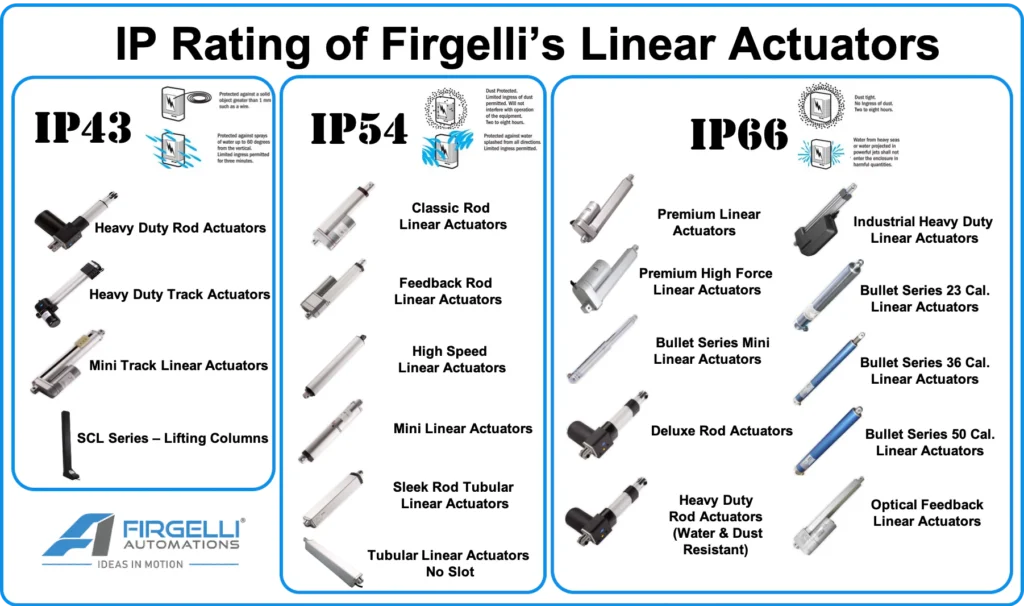
When asking Can Electric Scooters Get Wet, remember that IP67 doesn’t mean you can ride on a flood-prone street or leave your scooter in a puddle overnight. It’s an outcome of a laboratory test with specific, controlled conditions; it isn’t a true-world assurance.
If you’re purchasing an electric scooter, and rain is an integral part of your commute, IP54 is considered an acceptable standard. If you’re in a truly damp region — like in the Pacific Northwest, the UK, and the monsoon areas of Southeast Asia — IP55 or more is a good value for more expense.
Water Resistant and Waterproof: The Important Difference
The two terms are used frequently in marketing, and that’s a big part of the problem.
The term “water resistant” refers to a product that is capable of handling moisture (rain, splashes, or humidity) without fail immediately; however, it’s not sealed against prolonged or abrasive exposure.
Waterproofing is the complete sealing of the area against intrusion by water, even in the event of pressure or total submersion.
Consumer electric scooters are the only ones that offer the concept; it is basically nonexistent. What you’re purchasing, regardless of what advertisement says, will have some degree of resistance; the degree of resistance is precisely that which the IP rating will tell you.
What Happens Inside a Scooter When Water Gets In
Every component doesn’t react to water in the same manner. Some components are extremely durable, while others can be what makes a quick rainstorm turn into a costly repair.
- Battery pack: The most risky component. The leaking of water into battery cells or connectors may lead to damage, short circuits, and, in some rare situations, fire risk.
- The controller (the controller that manages motor power) is often the main reason for failure, which people usually blame on “the motor.” The moisture here can cause shorts as well as gradual corrosion as time passes.
- The display and the buttons are usually the first indication of issues: the appearance of fog, a lack of responsiveness, and flashing.
- Hub motor: More often secured than many people believe because it’s a smaller and more sealed unit.
- Brakes: Disks that are wet have a tendency to lose stopping power quickly, and this could be more of a safety concern than a problem with the damage.
Can Electric Scooters Get Wet without causing internal damage? A vehicle which “gets wet” and one which “gets water inside the electronics” are two completely different circumstances.
Riding in Rain: A Realistic Breakdown
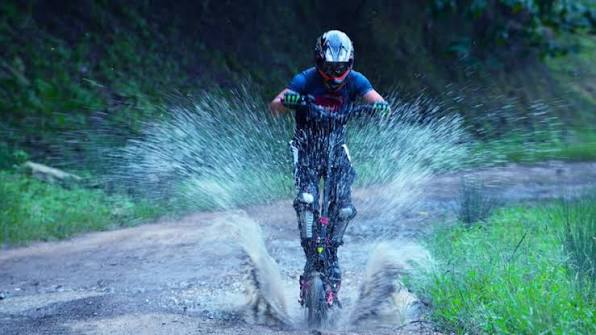
When wondering Can Electric Scooters Get Wet, a light drizzle is where many people get worried. An easy commute in drizzle on pavements that are not wet but dry is what the majority of water-resistant scooters are made for.
The risk is higher:
- The forceful, long-lasting downpour- extended exposure could ultimately cause damage to seals that have been tested for only splashes.
- The rain that is driven by the wind hits the scooter at angles that are unusual, which some ratings fail to take into account.
- Extensive rides through the rain for a long time, as resistance ratings are determined by short-term tests and not the hours spent in exposure
Additionally, there’s a security layer which has nothing to do with technology: a wet surface decreases tire grip and can increase the distance to stop, particularly for the tires that are narrow and common for most scooters. Be more cautious, stop earlier, and allow yourself some room. The scooter that is able to withstand the rain does not guarantee that your ride is risk-free as it would in dry conditions.
The Real Danger Zone: Puddles and Standing Water
Can Electric Scooters Get Wet from rain and standing water? A scooter’s rain exposure and water rising from the ground are two distinct threats, while the latter can cause more harm.
The depth of the puddles that can reach the wheel hubs, deck, and the battery housing may cause water to rise upwards into areas that have never been tested for the orientation of exposure. A majority of IP tests mimic the effects of splashes and rain. They do not simulate the tiniest of scooters parked in a flood gutter.
Simple rule that stands on its own in real-world application: If you aren’t able to see the road’s surface in the water, do not drive across it.
Snow, Slush, and the Hidden Corrosion Risk
It’s a relatively low risk as it’s dry and slow to melt, and it doesn’t behave like rain. However, the real dangers tend to occur afterward, when snow is transformed into slush, which mixes together with salt for roads.
When considering Can Electric Scooters Get Wet in winter, salt water is considerably more damaging than plain rain and tends to remain on joints and seams for longer. In winter, riders should clean the deck, frame, and the mechanism for folding after the slush has been exposed — and not only for electronics reasons, but also to stop the rust from getting into the hinges as well as joints of steel in winter.
The cold temperatures can also affect battery performance and endurance. However, this is a distinct problem from the water resistance- an issue with chemistry, not one that seals.
Can You Wash an Electric Scooter?
Can Electric Scooters Get Wet during cleaning? Absolutely, but be sure to wash them with care. A damp, spongy cloth or dampened sponge is the best method to wash the stem, deck, and handles.
How to prevent it:
- Garden hoses that are directed directly towards the ports, buttons, or in the compartment for batteries
- Pressure washers — and even IP65-rated scooters haven’t been examined for high-pressure jets.
- In the event of a malfunction, submerge any portion of the vehicle in a bucket, or wash the vehicle.
Recognizing Water Damage Before It Gets Worse
The signs may be apparent quickly, whereas others show up after a few days or weeks, when corrosion spreads slowly.
- Scooter will not turn on following an unwetter ride
- Display that is unresponsive or flickering
- Intermittent error codes
- Significantly reduced range or irregular power supply
- Corrosion visible in white or green remains on connectors
- An unpleasant smell emanating from the deck or compartment.
What to Do If Your Scooter Gets Wet
- If you’re asking Can Electric Scooters Get Wet, shut the scooter down immediately and do not attempt to charge it while wet.
- Dry your exterior with a towel. Avoid excessive heat sources such as hair dryers directed directly at electronic devices.
- Allow it to air dry for 24-48 hours in a cool, dry room prior to using.
- Don’t charge the battery until you’re sure there’s no hidden moisture. Charging with a damp battery can be an actual fire risk, not merely a hypothetical one.
- Examine for error codes after it is dry before you can resume regular riding.
- Contact a tech if the scooter doesn’t start normally or is showing visible signs of corrosion.
- Do not attempt to speed dry a scooter by using an oven, heat gun, or microwave, as the heat may harm components much faster than water could.
What Repairs Actually Cost
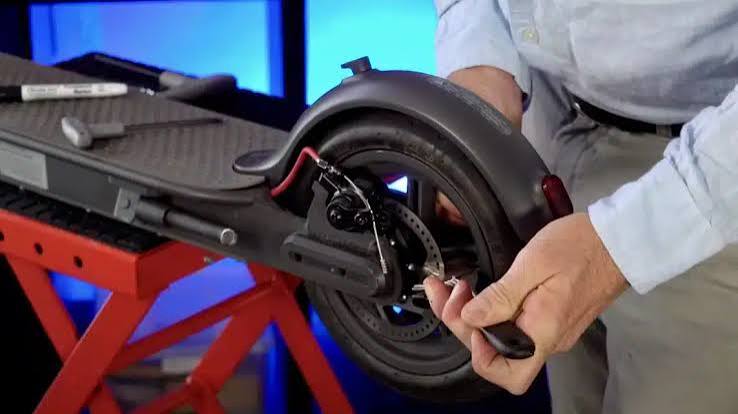
Prices vary widely by model, brand, and location; however, the general rates for repair shops offer an accurate sense of size:
| Repair | Typical Cost Range |
| Controller/circuit board replacement | $60-$200 |
| Replacement of battery | $150-$500+ |
| Display alternative | $30-$100 |
| Visit to the diagnostic center only | $25-$75 |
(These are general ranges for the industry but not fixed costs -check current prices by contacting a repair shop in your area prior to deciding on anything.)
A point that can catch many users off guard is that the majority of warranty providers are not able to cover water damage regardless of whether the scooter has a good IP rating, in the event that damage resulted from circumstances which are beyond the coverage of the rating. The warranty’s water damage clause, before you actually need it, will take five minutes.
Choosing a Scooter Based on How You’ll Actually Use It
Instead of seeking the top IP number, you should determine the appropriate rating based on the actual pattern of your ride.
- A few riders in a dry climate: IPX4 is acceptable -Rain exposure is very rare.
- A daily commuter who lives in a moderate rain area: IP54 offers a solid combination of protection and cost.
- A commuter in a wet or coastal environment: IP55-IP65 is pricey.
- Fleet operators or delivery riders: IP65-IP67 seems sensible, as these vehicles are outdoors and cannot be used as a baby during rides.
This last segment of delivery companies and leasing fleets deals with a different aspect of the problem completely. An individual scooter may see some rain throughout the year. A fleet vehicle is outside for each weather condition throughout the year, without the position of deciding if today’s weather will be “worth it.” Fleet managers typically create maintenance plans specifically for inspecting connectors for corrosion and treat it more as a water-resistance test than a requirement, but more as a constant maintenance factor.
Mistakes Worth Avoiding
- The assumption is that “water resistant” means the scooter will withstand anything less than complete submersion
- Charge right after a wet ride rather than drying the ride first
- Driving through waterlogged streets as “it’s rated for rain”
- Utilizing a hose or pressure washer to clean
- Do not pay attention to early signs of corrosion until the scooter is completely destroyed
- Leave a wet scooter out for a night instead of taking it inside dry
The Bottom Line
Can Electric Scooters Get Wet? Electric scooters are made to withstand everyday conditions such as a rainy commute, slight rain, or a splash from an approaching car; they are not amphibious vehicles. The IP rating of the specification sheet is probably the most reliable detail you can get regarding what the scooter will really handle. Therefore, it’s worthwhile to check it before buying and then observe it once you have the scooter.
If the scooter gets stuck in the rain, or absorbs more water than you expected and you’re not sure what to do, the solution is easy: switch it off, then dry it thoroughly, and turn off charging until you’re certain you’re dry. Get it inspected if you notice anything is out of place. The one rule that will prevent most problems with water related to the ones users encounter.
FAQ
Can you ride on an electric scooter through rain?
A light to moderate amount of rain generally is fine on scooters that are IP54 or greater; however, excessive downpours or standing water can increase the chance of internal harm.
Do you have to wash your electric scooter with water?
An abrasive cloth can be used. A pressure washer or hose targeted at ports, buttons, or the compartment for batteries isn’t.
What happens if your electric scooter is waterlogged?
The amount of water that comes in and where it is located may be the only sign of anything in the way of corrosion on the controller, an unconnected battery connector, or a display that stops working.
Does water damage invalidate the warranty of my scooter?
Most of the time, yes, particularly when the damage was more than the scope of what the scooter’s IP rating allows. Make sure to read the specific warranty terms.
Are electric scooters safe to leave outdoors in drizzle?
It’s not advisable for prolonged durations of time because the longer exposure can increase the risk that water will eventually get past seals, which were designed to withstand short-duration bursts.
Is IPX4 sufficient to allow rain-riding?
It is able to handle minor splashes, making it a sensible minimum. However, IP54 or greater is more secure when rain is an ongoing aspect of your life.
Can you ride an electric scooter through a puddle?
Small puddles can be safe. Standing or deep water that gets to the wheel hubs, deck, or even the wheels is the place where danger really is at the beginning.
Do I need to charge my scooter when it’s damp?
Do not charge it until it has completely dried for at least a day. A wet battery can pose a real fire and short-circuit threat, not just an extra safety precaution.
Can snow cause damage to electric scooters like rain?
The answer is no. The greater risk lies in the salted Slush that develops as snow melts. It causes metal to rust more quickly than water alone.
About the Author
Huzaifa is the creator of Electric Scooter Analysis, a blog that covers electric scooters of all kinds, including off-road, city, and special circumstances. Data is obtained from manufacturer specs, as well as opinions from riders. Figures are flagged if there’s no proof.
“The information on this website is gathered from industry reports, manufacturer specifications, expert reviews, and trusted sources such as gyroor to provide accurate and valuable insights for our readers