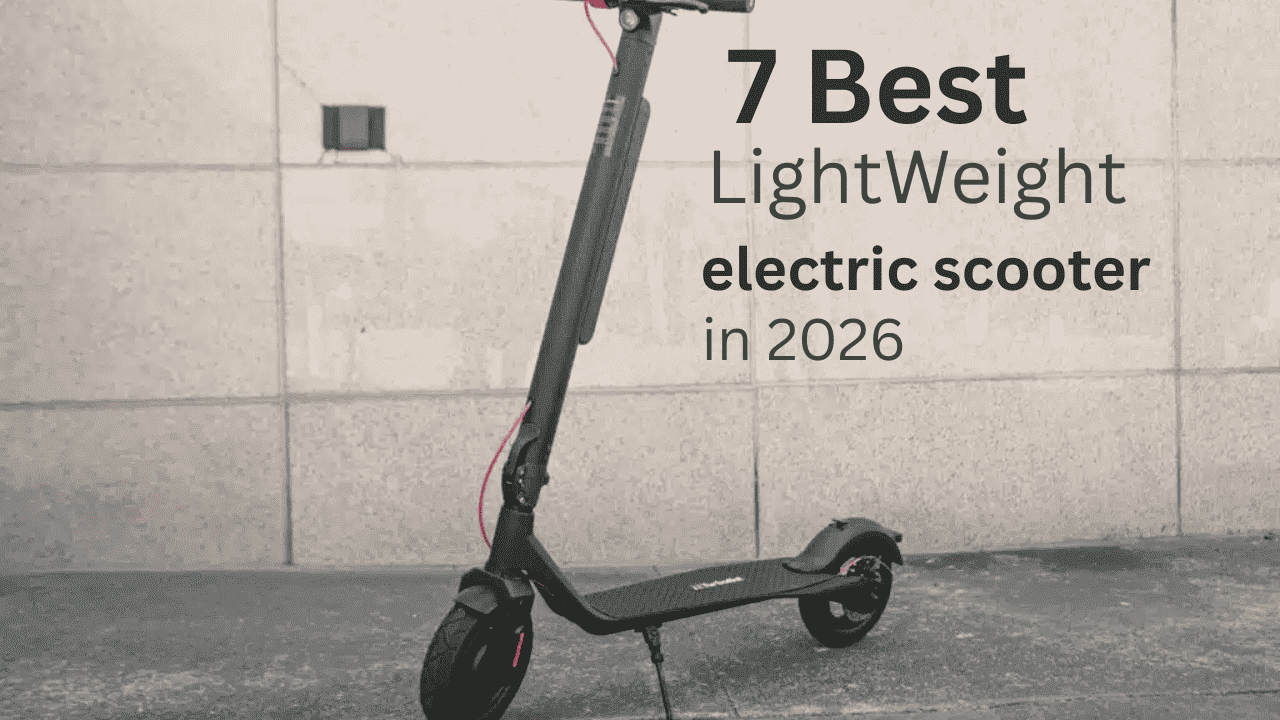
A lightweight electric scooter is a foldable personal electric mobility device weighing under 15 kg (33 lbs) and is powered by a lithium-ion battery, designed for urban commuting or last-mile journeys, as well as multi-modal transportation. If you have to transport the scooter upstairs, you can put it in your office, or ride it on the subway ride without being denied entry -this is where you begin.
It’s a problem that a majority of buying guides are either covered with product descriptions or leave out those things that really matter such as how far the scooters actually go after you’ve accounted for your own weight, whether or not the morning climb will destroy the motor, what fold-up dimensions compare to the specific rules for your transit system as well as whether the bike that you’re considering is street-legal in your area.
This blog covers everything for commuters and business purchasers alike.
What make a lightweight electric scooter truly lightweight?
The 15 kg/33 lb threshold is an industry-accepted limit. Anything that falls below this threshold is thin in the world of micromobility. Anything less than 10kg (22 pounds) is considered ultra-lightweight, a realm of carbon-fiber frames and engineering failures that warrant an examination of their own.
The number you choose isn’t random. Many bus and subway systems allow personal mobility devices with electric motors and set baggage limits of 10 to 15 pounds. Transit for London (TfL) is one example. It allows folding devices that meet the Underground’s dimensions and weight limits. For New York, policies vary depending on the line used and the time of day. Being aware of the weight before purchasing isn’t an option, as it’s a crucial factor in whether your commute is effective.
For the context of the spectrum
| Category | Weight Range | Best Use Case |
| Ultra-lightweight | Under 10 kg | Transportation for daily use and apartment residents |
| Lightweight | 10-15 kg | Urban commuters; multi-modal riders |
| Mid-weight | 15-25 kg | Performance commuters; weekend use |
| Heavy-duty | 25 kg+ | Ranger riders, off-road or high-speed usage |
Who Actually Needs One — and Who Doesn’t
The ideal user for a lightweight electric scooter is someone who travels 5-15 kilometers each way, mostly over flat to slightly steep terrain. They will need to carry the lightweight electric scooter in some way throughout the day. down a flight of steps and onto the train or into the office.
If so, this category was based on the way you live.
If you’re doing thirty or more kilometers a day on an uphill commute and have nowhere to put the lightweight electric scooter, then you’re in the wrong place. A more robust, heavier middle-of-the-road model is better, despite being more shabby to transport.
This lightweight electric scooter is perfect for:
- Urban commuters who connect the transit legs (subway + scooter buses + scooters)
- Students who cross campuses or take shorter city routes
- Office workers who require real under-desk storage
- For those who are older or new to the world, they want an easy-to-manage weight loss and basic control.
- People living in apartments without storage space outside
- lightweight electric scooter for business travelers that take them to airports or hotels
- Fleet operators deploy last-mile or mobility solutions for campuses.
The Specs That Actually Matter
Many buyers are caught up in speed. Weight isn’t the main factor in a lightweight electric scooter. It is a way of saying:
Motor Wattage and Hills
The 250W motor can handle smooth roads with ease. When you increase the gradient to 58%, you’ll feel the. When you reach 10-15%, your 250W motor could slow dramatically or even stop for riders who weigh more.
Practically speaking, if your route is daily and has some real hills, you should go up to at least 350W. If your hills are regularly steep, you should be at least 500W on the ground.
| Motor | Flat Terrain | Mild Hills (5-8%) | Steep Hills (10%+) |
| 250W | Excellent | Reduction in speed | Struggles |
| 350W | Excellent | Well handled | Slows down |
| 500W | Excellent | Strong | Manageable |
Battery Capacity and What Range Claims Really Mean
Manufacturers test their ranges under ideal laboratory conditions, including light riders on level, low-speed ground at an ideal temperature. In reality, the experience of a rider weighing between 75 and 85kg over mixed terrain can be around 40-60 percent of what is stated.
lightweight electric scooter that claim to have 40km ranges generally deliver between 18 and 24 km under the real world.Make sure you are prepared for this rather than the advertised number.
The capacity of the battery in watt-hours (Wh) is an even better signal that is more authentic than claims of distance:
- Below 200 Wh, 10-15 km range, for the most basic use
- 200-300 Wh, 15 to 20 km, adequate to cover most urban commutes of a short duration.
- 300-400 Wh 20-28 km; decent mid-range performance
- 400 Wh+ 28-40 km top tier that offers genuine everyday utility
How Rider Weight Affects Your Range
It is rarely mentioned, but it must be. The 60-kg rider, as well as a rider of 95kg on the same scooter, notices significant differences in the range, usually a 15-25 percent difference within the weight range. The motor’s temperature also increases with greater load. This can affect performance when riding back-to-back ups.
If you weigh more than 85 kg, be sure to search for models that can handle 100-120 kg, and concentrate on models with 500W or more. It’s not only related to safety rating, but it also helps to ensure the durability of motors over the long term.
Tires: The Ride Quality Decider
Three kinds dominate the light segment:
Pneumatic (air-filled): Best performance in terms of ride, the best grip when wet, and the best handling when riding on a rough surface. There is a risk of punctures. If you’re going through city streets with debris, take a repair kit or opt for one with self-sealing internal tubes.
Solid rubber: Zero puncture risk. Also, zero cushioning. If you walk across cobblestone or hard asphalt, you can sense every crack. Great for softer, shorter roads. Not recommended for longer distances or more bumpy.
Honeycomb: A middle way. It’s more puncture-resistant and pleasant than rubber. It’s just far from being as seamless as pneumatic. It’s a practical compromise for daily use on unpredictable urban surfaces.
Tire diameter matters too. 8.5-10 inches of tires take in road bumps much more superior to 5-6 inch tires, which transmit every bump directly onto your feet and wrists.
IP Rating: What Splash Resistant Actually Covers
- IPX4: Protected from rain splashing in any direction. Ideal for mild rain, it is not appropriate for riding on Puddles.
- IPX5: Blocks water jets. Better for heavier rain conditions.
- IP65: Dust-tight, fully dust-proof and water jet-resistant. It’s the minimum that you need for riding in all conditions.
A lightweight electric scooter should not be submerged. However, knowing the ratings can prevent costly surprises if it is caught in the rain.
The Best lightweight electric scooter in 2026
NIU KQi Air Top Choice
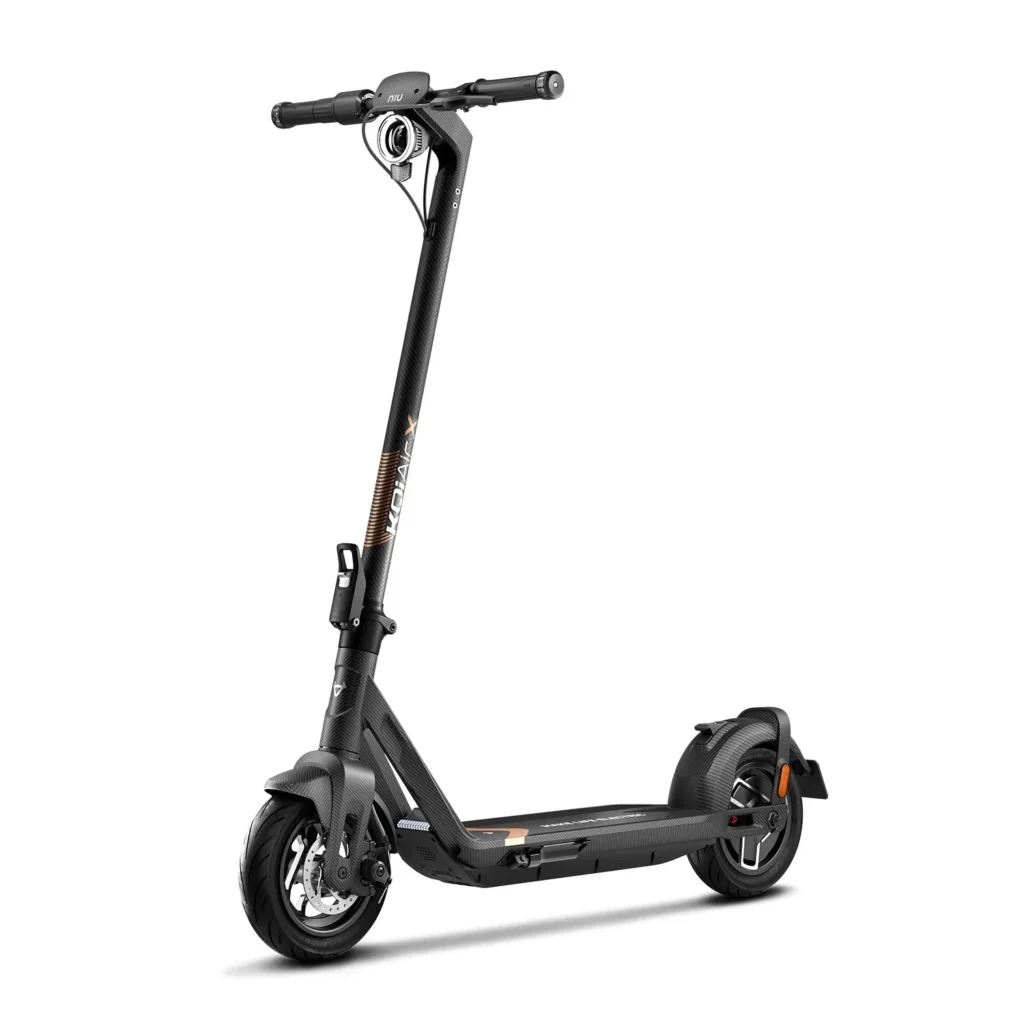
Starting light means winning early – the NIU KQi Air hits just 12 kilograms yet powers through like something far bulkier. Built with carbon fiber, its skeleton stays strong while shedding every unnecessary gram. Power comes from a 451 Wh cell, massive considering how slim the machine looks. Some competitors at half the cost fall short on range. With 10-inch pneumatic tires, rough patches smooth out beneath you – where lesser models shake and stumble.
E-Twow Gt Sport Top Speed Per Pound
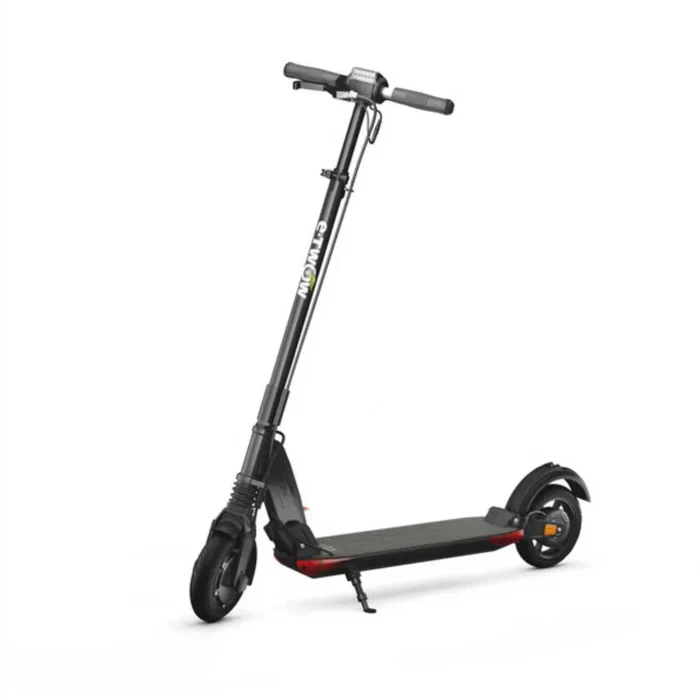
Out of nowhere, the E-TWOW GT Sport shows up light – under 12 kilos – yet built for riders chasing fast rides. A 500W front motor powers ahead where others hesitate, pushing swift takeoffs and strong upper limits on pace. In just moments, it collapses into itself thanks to one of the slickest folding systems around. Suddenly, transport fits into any space, any time. Speed meets ease like this, almost never happens.
Xiaomi Electric Scooter 4 Top Value Ride
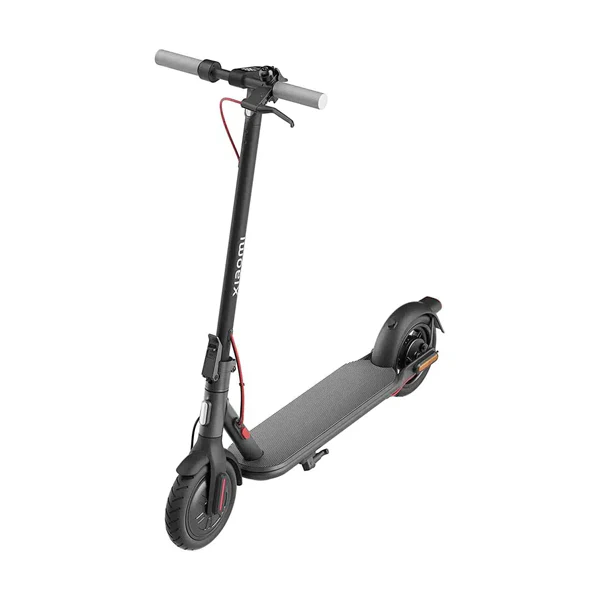
For those keeping spending under $500, the Xiaomi Electric Scooter 4 delivers far beyond what you pay. Heavy-duty by design, this machine earns trust through countless miles on rugged streets worldwide. Weighing just 13.2 kilos, yet it powers up steep urban slopes without slowing down – driven forward by a dependable 500-watt motor. Daily riders moving through streets will discover a balanced mix of function and price here.
Segway Ninebot E2 Plus budget commuter choice
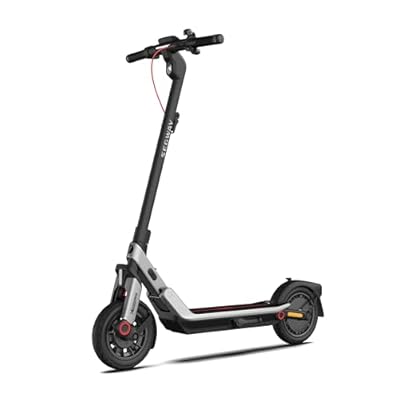
Starting strong with solid performance, the Segway Ninebot E2 Plus is well-suited to short urban trips. Right around four hundred forty-nine dollars sits a balance few find – price meets purpose here. Thirteen point two kilos keep it light enough to carry yet solid in your hands. A three-hundred-watt engine hums steadily beneath, made for smooth streets only. After plugging in overnight, plan on eighteen to twenty-five kays per ride. From Segway it came, that quiet trust you recognize – now wrapped in something far more affordable. Safety feels present without extra flash or fuss.
Fluid City Rider is easy for new riders
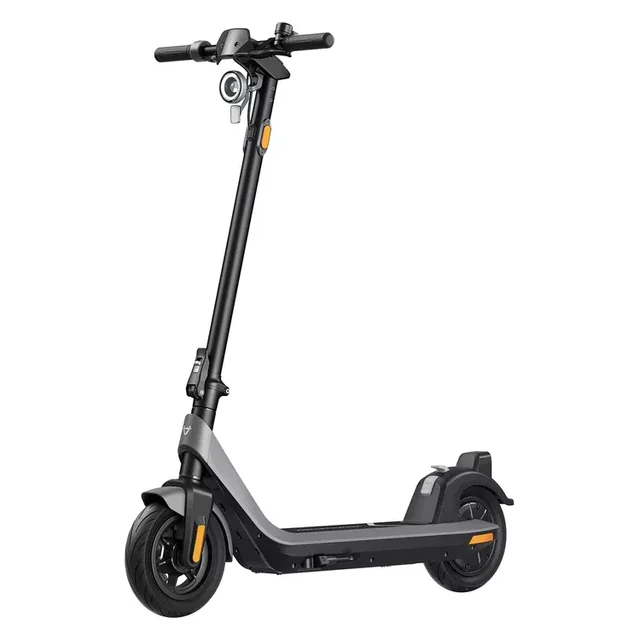
Out on the street, first time atop a scooter? This one rolls easily. Not too loud, not too wild – the 350W engine moves you along without shouting for attention. Fourteen point one kilograms of solid build keep it planted, even when pavement gets chatty. At three hundred ninety-nine bucks, it does what it needs, nothing padded. Smooth start. Quiet presence.. Range lands between 18 and 22 kilometers – a fit for short runs around town. Folding takes seconds thanks to a latch that clicks neatly into place. Lines stay crisp. Controls stay clear. First-timers won’t get tangled trying to figure it out.
iScooter I8M Top Budget Pick
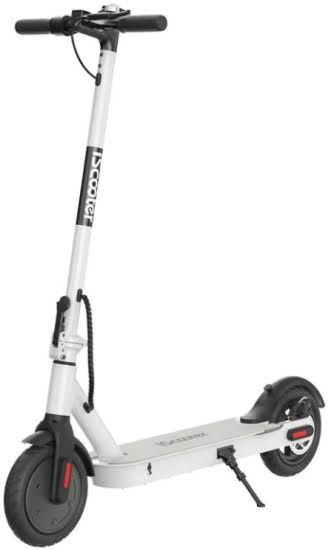
Priced at only three hundred forty-nine dollars, the iScooter I8M surprises with the strength that most cheap models lack. A five-hundred-watt peak motor hides inside its frame – rare for anything under that mark. Weighing 12.7 kilograms, it moves well through city streets without slowing. Instead of fading fast, the ride keeps going, covering 20-28 kilometers per charge. Power like this usually costs more, yet here it arrives quietly, ready to go when needed. No flash, no fuss – just steady motion where it counts. Affordable does not always mean weak, and this one shows exactly why.
Gotrax GXL V2 is the top choice for beginners
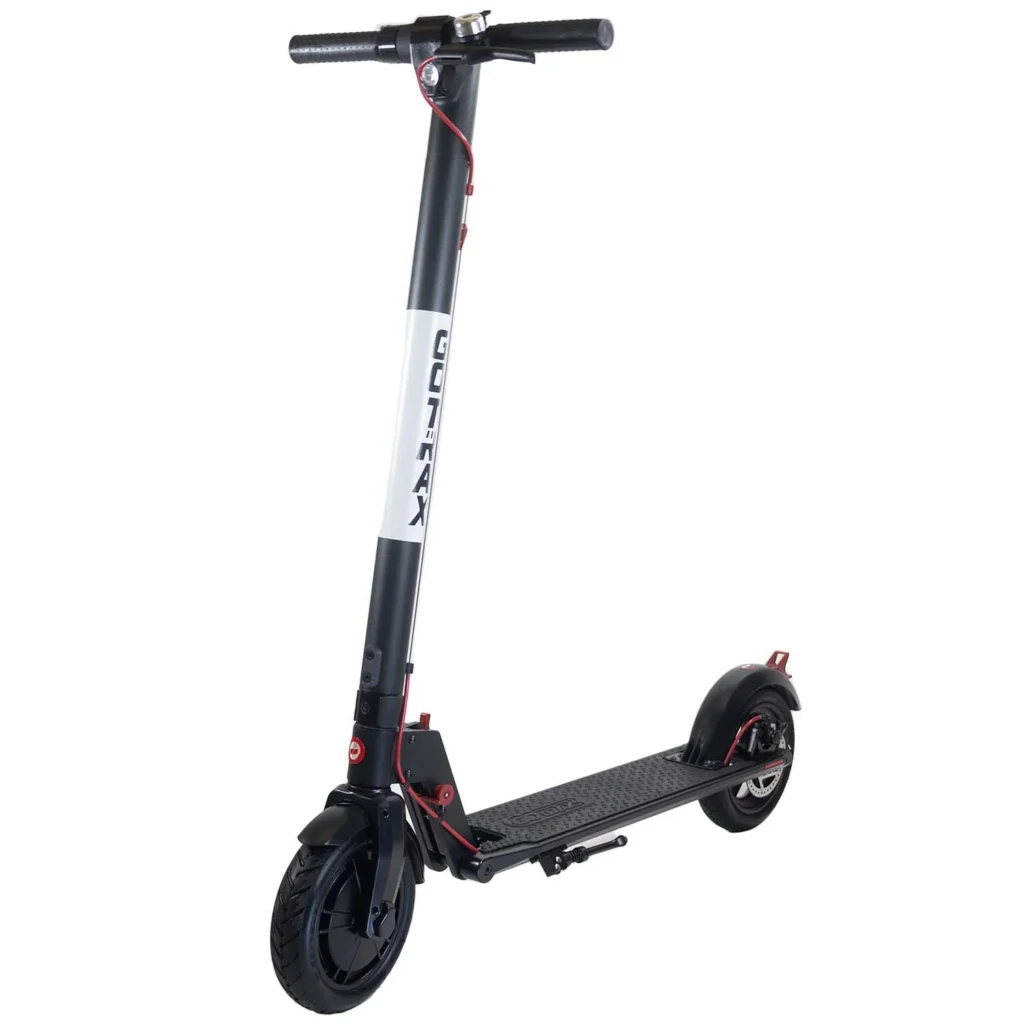
Priced at two hundred ninety-nine bucks, the Gotrax GXL V2 stands out fast – not flashy, just solid. Heavy? Yeah, twelve point five kilos, which isn’t light, though it folds up simply thanks to clean lines. That two-hundred-and-fifty-watt engine – sure, numbers seem small – but step on it and commutes still flow smoothly. Built for folks wanting basics done right, no extras, no drama. Distance-wise, twelve to eighteen kilometers fits snug between minimal and sufficient. Think of it rolling through parking lots or cutting across college grounds after class. Spending next to nothing never felt quite so practical. The whole thing makes errands feel lighter, almost effortless.
NIU KQi Air earns the first spot for its performance at only 12 kg. Carbon fiber frames may help reduce weight without compromising the structure’s strength. The battery is 451 Wh, which is quite large for a scooter this size, and has an incredible range, similar to that of costly middle-of-the-road models.10-inch pneumatic tires give you an experience that lightweight electric scooter can’t compete with.
The E-TWOW GT Sports is the option for those who need the speed of a race in a box weighing less than 12 kg. Its 500W motor in the front stands out in this class, and the folding mechanism is among the finest.
Buyers who aren’t spending more than $500 will find that the Xiaomi Electric Scooter 4 consistently exceeds its cost. The build quality of Xiaomi’s devices and apps is well-established, and the 500W motor offers impressive hill-climbing performance at just 13.5 kilograms.
How Your Scooter Needs to Fit Under Your Desk
This is an extremely useful fact that almost every guide does not cover, such as a standard office desk measuring 70-75 centimeters from floor to top. The majority of folded scooters are between 40 and 50 cm when folded. There is about 20-30 centimeters of room, which may be quite tight if the scooter comes with an upright stem for the handlebars.
Make sure you look at heights that fold to less than 50cm, or shorter lengths that fold to less than 110cm. Bars that can fold completely to the flooring (rather than being raised) allow you to place them beneath desks and in corners. Check the brand’s published fold dimensions, not only the weight of their headline.
Is Your lightweight electric scooter Street-Legal Where You Are?
Legal status isn’t an issue to be determined following the purchase. Unlocking the secrets of human behavior is what the situation currently looks like in the major markets around the world:
| Country/Region | Legal Status | Speed Limit | License Needed | Key Notes |
| USA | In 48 of the states, it is legal. | A speed of 20mph (32 km/h) | No (for under 750W/20 mph) | CPSC classification; state laws vary |
| UK | Private scooters illegal on roads | N/A | N/A | Only rental trial zones (Lime, Dott, Tier) |
| Germany | Legal | 20 km/h | No | Number plate and liability insurance mandatory |
| France | Legal | 25 km/h | No | Prohibited from Paris areas for pedestrians |
| Australia | State-by-state | 25 km/h | No | NSW/VIC restricted; QLD/ACT trial zones |
| Singapore | Lawful (LTA-approved designs only) | 25 km/h | No | There is a ban on footpaths since the year 2019. |
| India | Legal (under 250W) | Varies | No | FAME II subsidies available |
| UAE/Dubai | Only permitted zones | Varies | RTA permit | Regulations expanding rapidly |
| Japan | Legal (new law July 2023) | 20 km/h | No | A speed of less than 6 km/h for bike lane accessibility |
The United States Consumer Product Safety Commission (CPSC) classified lightweight electric scooter with motors of less than 800W and speeds of up to 20mph as consumer products, as well as motor vehicles. The federal government is not required to require registration or licenses. Some cities also add restrictions on top of this: New York City is contemplating requiring registration and plates for licenses under a proposed law. Atlanta does not permit street riding from 2am to 4am.
Make sure you are aware of local laws before taking the first step of your trip. The state’s law sets a floor. Cities set the limit.
Taking Your lightweight electric scooter on a Plane
Most people don’t consider this until they’re on their route to an airport. Airlines classify lithium-ion batteries in accordance with the Watts-hour (Wh) capacity in accordance with the regulations of IATA/FAA:
- The general rule is that carry-ons of less than 100 Wh are permitted with the airline’s prior approval.
- 100-160 Wh: Carry-on allowed. Certain airlines need authorization.
- 160-300 Wh: Carry-ons require explicit approval from the airline; there are some that prohibit it outright
- Greater than 300 Wh. It is almost always forbidden within the cabin. It’s impossible to travel with checked baggage.
The Gotrax GXL V2 at ~187 Wh sits in the borderline zone. The NIU KQi Air at 451 Wh will not board most commercial flights at all.
If flying with a lightweight electric scooter matters to you, this single spec will determine which models you can actually use. Look specifically for airline-approved models with under 160 Wh batteries — and call your airline in advance regardless.
What Battery Degradation Actually Looks Like
The battery’s lithium-ion capacity is reduced in only two cycles. The majority of lightweight electric scooter batteries are built to last between 500 and 800 recharge cycles, until they are at 80 percent capacity. This is roughly 1.5-3 years of constant charging.
If you use it at 80, an electric scooter that initially had a range of 25 kilometers will provide about 20 kilometers. If you’re at 70%, it is reduced even further. The effect won’t be obvious because the drop is gradual, but eventually, you’ll see your commuter’s range of travel getting uncomfortably close.
In order to slow it down:
- Charge to 80–90% for daily use; full charges accelerate degradation
- Never store at 0% — keep above 20% when not in use
- Avoid charging immediately after a hot ride; let the battery cool first
- Store indoors between 10°C–30°C (50°F–86°F); extreme heat degrades cells faster
Battery replacement for most consumer-grade lightweight electric scooter costs $80–$200 when DIY-compatible. Some brands (Segway, NIU, Xiaomi) offer replacement battery programs; independent brands often don’t.
For Businesses: Fleet-Grade lightweight electric scooter
Fleet buyers are governed by an entirely different way of evaluating than individuals who commute. The focus shifts between “how light?” or “how many trips before it breaks?” as well as “what does it cost to own per unit over 18 months?”
What Fleet Operators Should Prioritize
Repairability — Can spare components (tires or brake pads, batteries, and mechanisms for folding) be found and exchanged on the spot? A few premium models on the market have been designed for replacement rather than repair. For economic reasons, fleets need both.
IP Rating – Airport connectors, hotel fleets, and outdoor rental fleets require a minimum IP65 rating. Any less than that will result in maintenance expenses that reduce fleet return on investment.
The battery hot swap feature is available for delivery drivers and high-utilization rental fleets. Models equipped with removable batteries can reduce the time spent waiting for a charge. Riders can swap the depleted battery instead of waiting for hours to recharge.
Service and warranty networks for Segway, NIU, and Xiaomi are available in most key markets. The smaller brands aren’t able to support fleet-sized warranty claims across regions.
Fleet Use Cases by Sector
| Sector | Key Requirement | Recommended Spec Focus |
| Campuses of the University | Durability, low maintenance | Honeycomb/solid tires, 500W motor |
| Last-mile delivery | Hot-swap, high utilization battery | Removable battery, 350W+, IP65 |
| Hotel/resort rental | Brand appearance, weather resistance | IP65 with premium builds application lock |
| Connector to the airport | Size of the folded Transit-compliant size | A little less than 14kg Folded 110 x 43cm |
| Corporate campuses | Security features, App management | GPS lock, geofencing capability |
Business owners can benefit from the advantages of micro-mobility. Mobile-sharing applications like Bird and Lime are partnering with Segway in order to grow North American deployments in 2025. Markets are projected to grow roughly 20% in the period 2025 until 2035. (Source: 360 Research Reports 2026).Companies that have created light fleet plans are constructing infrastructure in advance of the timeframe.
The Environmental Case for Going lightweight electric scooter
It’s not often measured, but it’s worth a look: the average gasoline-powered automobile emits around 120-180g of CO2 per kilometer. A scooter powered by the grid averages 10-25g of carbon dioxide per mile over the course of its life, depending on the nation’s energy mix.
A commuter who can replace the 10-km journey with a car each day at a maximum of 20km each day — will save approximately two to three kilograms of CO2 emissions per day. It’s roughly 500-750kg each year. Within 5 years, someone who switches to a smaller scooter will completely eliminate the emissions of many long-haul trips in their carbon footprint.
Countries with clean grids (France, Norway, Canada). The numbers rise significantly. The difference is significant; that’s not just a neo-green footnote.
The Six Mistakes Buyers Keep Making
1. Believing in the range claimed. The range number is always a test number. You should budget at least 50% of the amount the manufacturer says.
2. They ignore their surroundings. Try your route’s elevation using Google Maps before buying. If you are traveling on a mildly looking route, one major hill will require an entirely different motor from the flat ones.
3. Selecting the lightweight electric scooter without considering the material used in its construction. A few scooters that weigh less than 10 kg achieve their weight by using plastic frames, which fail to withstand the daily demands over the course of months. A carbon fiber or aluminum alloy weighing 12-13 kg is more durable than a carbon fiber at 12-13 kg.
4. Avoiding the check of the law. This is especially true in the UK, Australia, Singapore, and the UAE, in countries where the rules are not consistent, and certain configurations are not legal for street use.
5. The warranty is not being used. The 90-day guarantee offered by unidentified brands is a chance to be exposed, not a security net. The most trusted brands provide 12-24 months of established service access.
6. Don’t bother checking the folds dimensions. Airlines, transit agencies, and office storage are subject to real-time size limitations. A bike that is 2 centimeters higher than the subway guidelines isn’t suited for a commute.
Safety Certifications: What the Markings Mean
When you are considering purchasing lightweight electric scooter, be sure that you know the following points:
- UL 2272- the U.S. electrical safety standard that covers the entire electrical circuit, including the battery, drivetrain, and charger. It is required for a variety of workplace and transportation policies across North America.
- CE Marking- The European Conformity Standard. Mandatory for sale legally within EU member states.
- IP65 or greater- If you are riding in unpredictable weather.
- RoHS conformity- confirms that the product complies with EU regulations on hazardous substances. It’s not as visible, but it is important in ensuring responsible purchase.
If the listing for an item does not include the business’s certifications, check them out before purchasing. Untested batteries are usually the main cause of electric scooter accidents reported to the CPSC.
What to buy: online, rather than. Local Dealer
Purchases made on brand-name websites (NIU, Segway, Apollo, Xiaomi) offer the best warranties and exclusive discounts not offered by other retailers. Amazon, as well as Walmart, has a wider selection of mid-range items. However, warranty handling varies depending on the third-party vendor.
Local dealers play a role for one reason: testing rides. An electric scooter that appears perfect on paper might feel off when you step on it. The length of the handlebars, deck height, as well as the sensitivity of the throttles, and braking performance are items you’ll only get to test through a test ride. Find “electric scooter dealer [your city]” and “lightweight electric scooter test ride near me” to locate the nearest experts.
In London, in spite of the restrictions on private scooters, a number of dealers have showrooms in which you are able to test the models for private use, or to help you plan for the future. The cities of New York, Los Angeles, Chicago, Sydney, Berlin, Singapore, and Dubai have special micro-mobility shops that are easily accessible and usually better informed than the general electronic retail stores.
Choosing the Right One: A Decision Framework in Six Steps
- Find out the distance that you’ll require (round-trip) in addition to the distance in a particular direction.If you’re traveling for more than 20km, then some mid-range alternatives are worth taking a look. f you’re traveling for more than 20 miles, it should be possible to supply at minimum 300 watts of energy by the battery.
- Map your elevation — use Google Maps terrain view. Any consistent grade above 5% means 350W+. Above 10% means 500W.
- Find out your ideal carry situation- daily stairs should weigh less than 12kg. Daily public transportation requires less than 15kg and dimensions for folded items within the limits of your transit authority’s regulations.
- Verify local lawfulness-Use the table above as a reference and follow up with your local or city transportation authority.
- Budget your spending– between $350 and $600 is the ideal balance between weight, range, motor capabilities, and build standard for most adult commuters. A price of less than $350 is suitable for a flat, brief, and frequent use. More than $600 will yield significant improvements in frame materials, batteries, and long-term reliability.
- Verify certifications and warranties- Check certifications and warranties – UL 2272 and CE mark at minimum. 12 months’ warranty is the minimum. Service availability in your location.
Final Thought
The lightweight electric scooter market is maturing significantly. The design and engineering issues that gave sub-15kg scooters a toy-like feel have been resolved at the mid-price level. It is now possible to purchase the most reliable, commuter-friendly scooters under 13 pounds, equipped with real-world performance that can handle most urban excursions, certifications that comply with transit and workplace requirements, and a guarantee that doesn’t let you keep an unrepaired frame after just four months.
Research that is most important about your distance, the conditions, your transportation rules, and local laws, is the only thing you have the ability to complete. This article has provided the guidelines. The most effective scooter is the one that best suits your lifestyle. Not just the one that has the most impressive specs on the front.
“The information on this website is gathered from industry reports, manufacturer specifications, expert reviews, and trusted sources such as Electroheads to provide accurate and valuable insights for our readers