Finding a genuinely American-made electric scooter is more nuanced than most buyers expect. After comparing dozens of brands, reading through product pages, and talking to manufacturers, one thing became clear: the smartest purchase doesn’t start with a patriotic slogan — it starts with verifying the claim itself. There’s a real difference between a scooter that’s fully manufactured in the U.S., a U.S.-based company that designs and supports its scooters domestically while assembling overseas, and a brand that simply ships an imported product with American-sounding branding.
A dependable ownership experience comes down to transparent support, accessible parts, responsive customer service, and a documented warranty process — not vague promises from a no-name factory. Buyers who focus on build quality, compliance with U.S. safety regulations, and proven durability tend to have a far better long-term commuting experience than those drawn in by marketing alone. That’s what this guide is about: helping you find a reliable commuter scooter, whether it’s built in America or simply backed by a company that stands behind it.
5 Best Electric Scooter Companies in the US
| Brand | Best For | Standout Feature | Price Range | Notable Model | Check Price / Order |
|---|---|---|---|---|---|
| MiniWalker | Urban commuting with a premium feel | Future-proof design, expandable features | Mid to high | Tiger-8 Pro | Check Price / Order |
| Gotrax | Budget-friendly daily commuting | UL-certified batteries, 1-year warranty | Budget to mid | GXL V2 | Check Price / Order |
| Fluid | Riders wanting both city and off-road options | Versatile lineup for different use cases | Mid | CityRider | Check Price / Order |
| NIU | Tech-forward, high-performance riders | NIU Energy battery tech, international design awards | High | KQi 2 | Check Price / Order |
| Hiboy | Budget-minded and entry-level riders | Affordable, easy-to-use foldable design | Budget | S2 / S2 Pro | Check Price / Order |
Rather than chasing the flashiest “Made in USA” label, the brands below stand out for a mix of honest sourcing, dependable support, and consistent build quality. A few manufacture domestically, others design in the U.S. and manufacture overseas, and a couple are Chinese companies with a strong U.S. sales and service presence. All five are included because they back their products with real customer support, available parts, and documented warranties — which matters more for long-term ownership than where the box was printed.
Quick Comparison: Top 5 Electric Scooter Brands
MiniWalker
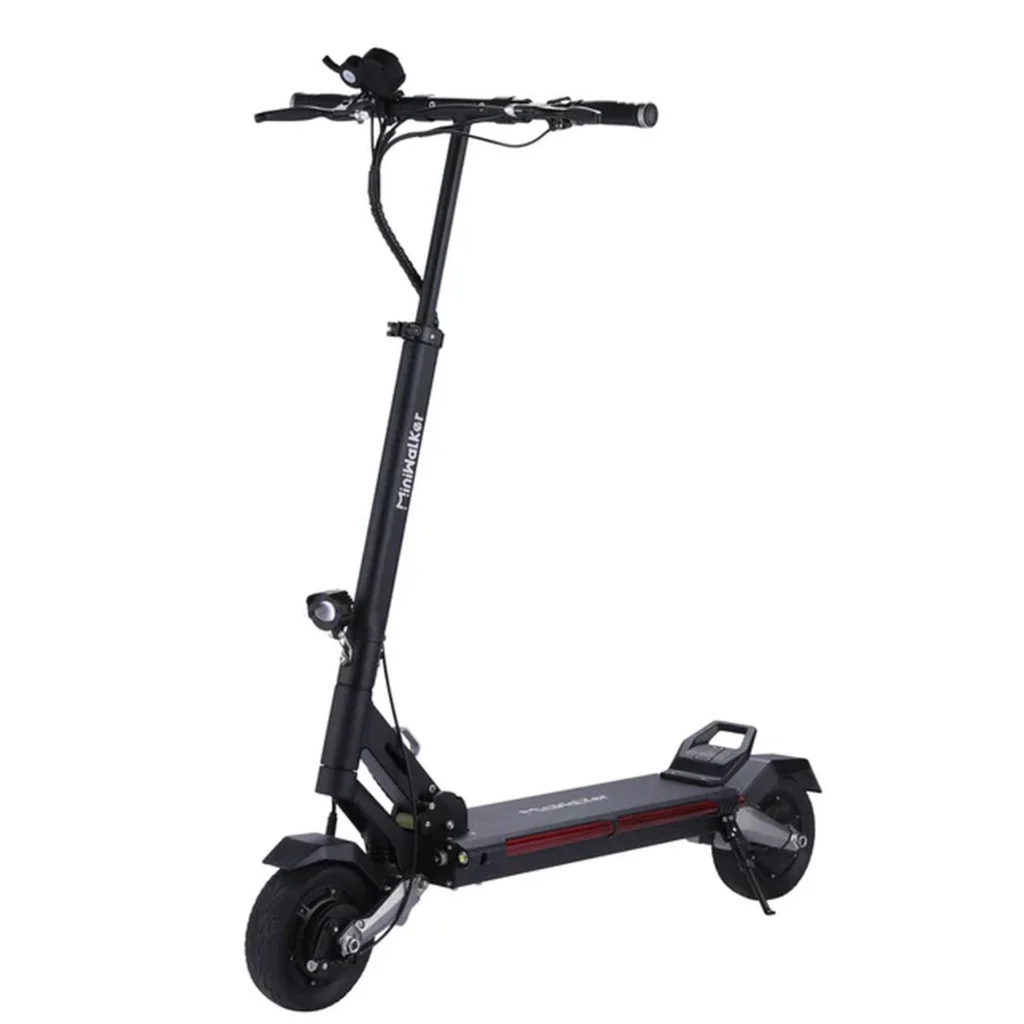
MiniWalker stands out for balancing speed, safety, and comfort without overcomplicating the ride. Models like the Tiger-8 Pro focus on practical, everyday usability — a design that makes navigating city streets easier while still feeling efficient and safe. The brand continues to refine its lineup with expandable features and forward-looking design rather than chasing short-term trends, which has helped it build a reputation for producing genuinely well-made scooters. Availability can be more limited than larger competitors, partly due to selective retail partnerships, but that trade-off has helped the brand maintain consistency across its lineup.
Gotrax
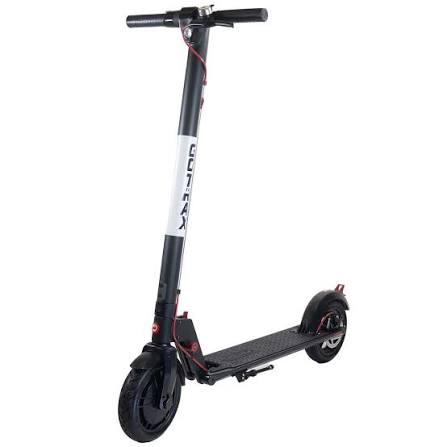
Gotrax has built its reputation on practical performance rather than unnecessary extras. The Gotrax GXL V2 is a strong daily commuter thanks to its foldable design, and the brand’s Commuting line emphasizes a smooth ride and UL-certified lithium-ion batteries — a detail worth paying attention to, since certification is one of the clearest signs of a manufacturer taking safety seriously. Most models come with a 1-year limited warranty, and the lineup spans options for adults, teens, and kids, though the catalog is smaller than some competitors. Gotrax scooters are manufactured overseas, but the brand maintains a real U.S. sales and support presence, which is the more honest way to describe most of what’s marketed as “American” in this category.
Fluid
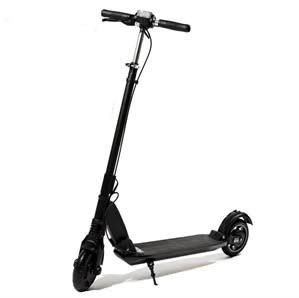
Fluid takes a more segmented approach, offering different scooters for different needs rather than one do-it-all model. The Fluid CityRider is built for lightweight, last-mile commuting, while other models in the lineup are designed for light off-road use. The catalog is smaller and more curated than some competitors, which makes it easier to pick the right scooter for a specific use case, and the brand backs its models with a standard warranty and responsive customer support.
NIU
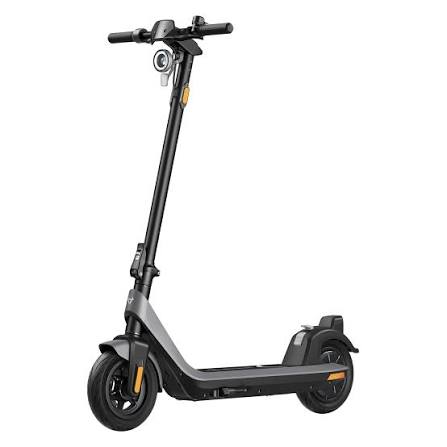
NIU has earned a strong reputation by prioritizing engineering and battery technology over marketing hype. The company is Chinese-founded and manufactured, but it has a significant U.S. retail and service footprint. Its NIU Energy battery system and models like the KQi2, MQi, and UQi series are aimed at riders who want dependable range and a more refined ride than entry-level scooters typically offer. NIU sits at a higher price point than most of this list, and some models — like the Seven Series — have limited availability in certain U.S. regions.
Hiboy
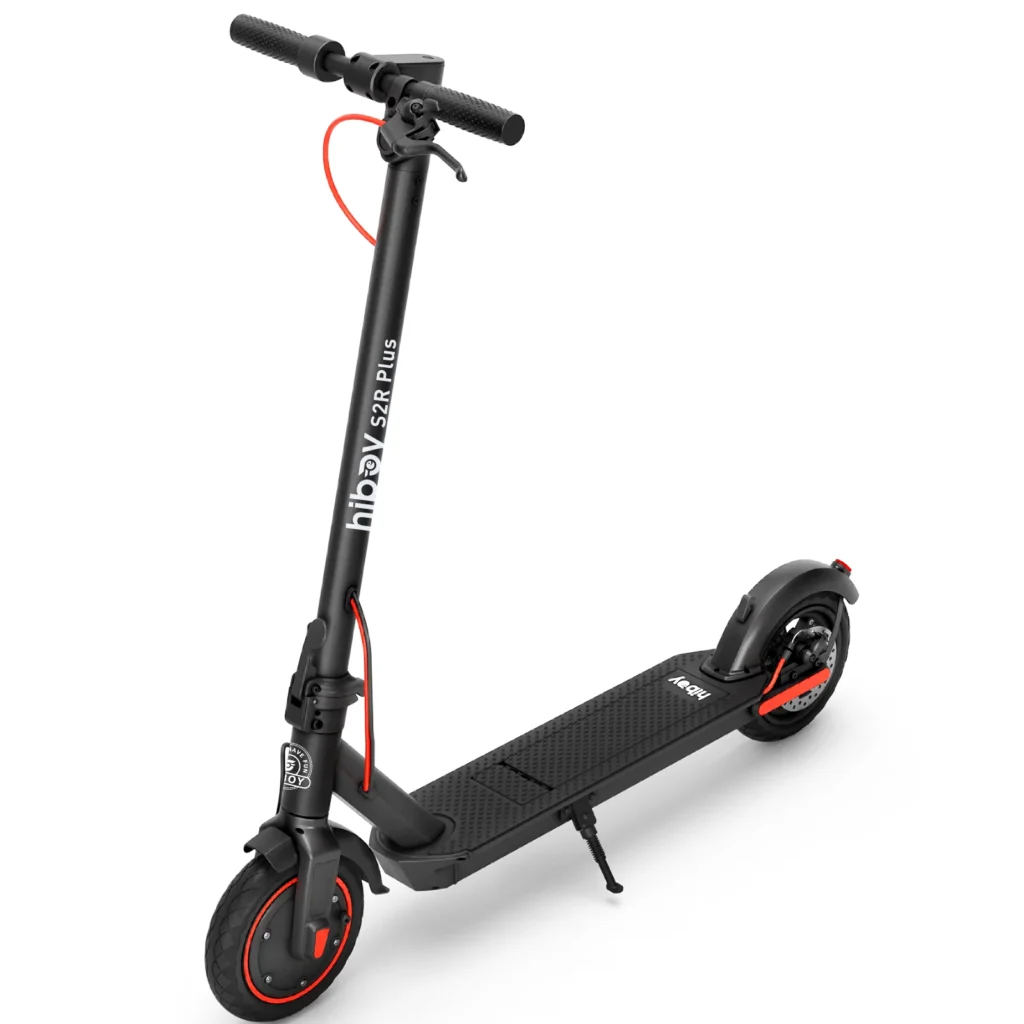
Hiboy is a Chinese company that has built a strong following among budget-conscious buyers by keeping its scooters simple, affordable, and easy to live with. The S2 is one of its best-selling models thanks to its foldable design and straightforward controls, while the S2/S2R Plus adds extra battery capacity and the S2 Pro handles longer rides more comfortably. The Hiboy Max is worth a look for riders who want closer to 40 miles of range. Hiboy’s lineup isn’t built for high performance — even its fastest models trail behind performance-focused competitors — and build quality can vary across the range.
For riders who just need a reliable scooter for commuting and short trips, though, it remains one of the better values in the budget category.
What “Made in USA” Really Means for E-Scooters
For buyers, the phrase “manufactured in America” often carries assumptions that don’t match how modern e-scooters actually reach the market. A truly American-made commuter scooter is exceptionally rare, because battery cells, motor components, displays, tires, and even cast frame pieces frequently come from suppliers in China before any U.S. assembly happens. That’s why it’s worth paying more attention to how much of the process happens domestically — assembly, testing, and after-sales service — than to a badge on the box.
In practice, most listings fall into one of three categories: fully imported and simply repackaged for U.S. fulfillment; partially assembled with some domestic labor; or designed and engineered by a U.S.-based team even though final production happens overseas. A transparent seller should be able to explain plainly which of these applies to their scooter, backed by certification listings, a parts and warranty page, and real spare-parts availability — not vague local branding.
Many shoppers assume a “Designed in California” label guarantees domestic production, but that wording often just describes a standard imported platform with minor design refinements. The most trustworthy brands answer precise questions about their origin claims, keep in-country inventory for warranty repairs, and don’t hide behind an email form or unclear language like “ships from Florida.”
Why an American-Made or US-Based Scooter Matters
Choosing between a U.S.-based company and a scooter that’s genuinely manufactured in the U.S. is more than a branding decision — it affects the support, parts availability, and long-term reliability you can expect as an owner. The biggest real advantage usually comes from responsive customer service and transparent parts availability, not a flag on the packaging. A U.S.-assembled machine with documented final assembly and clear certification often delivers more confidence than vague “Made in USA” marketing on an otherwise unclear product.
Instead of chasing headlines, look for an American-built or American-supported commuter scooter backed by regulatory compliance, dependable performance, and a realistic approach to everyday roads. Be wary of brands whose entire pitch rests on a slogan rather than documented specs, prompt warranty responses, and evidence the product actually holds up over time — these are the details that separate genuine, well-supported brands from a no-name factory dressed up for a launch moment.
A well-supported electric scooter — even one only partially assembled domestically — usually offers a stronger ownership experience than a product relying on patriotic messaging alone.
Your Detective Guide to Verifying a Scooter’s Origin
Treat every origin claim like something to verify, not something to take at face value. The fastest way to separate genuine brands from clever branding is to ignore the logo and follow the documentation. A U.S. flag on a website proves very little if the product pages avoid specifics about assembly location or domestic production involvement. Look for a clear origin story, evidence of testing and inspection before delivery, a real U.S. service operation, domestic parts storage, and a documented repair process.
Serious sellers are transparent about sourcing. Brands that openly discuss where their batteries, motors, frames, displays, and tires come from are usually more trustworthy than companies hiding behind polished slogans. A few warning signs are worth watching for: generic manuals with little real content, drop-shipped inventory with unclear return terms, and speed or range claims that shift depending on where you look. If a seller can’t answer precise questions about assembly location versus full import versus “designed in the USA,” that tells you most of what you need to know.
Ask for proof instead of relying on listings that simply say “Ships from the USA.” A trustworthy seller should be able to explain whether the scooter is engineered, tested, and quality-checked domestically, or whether that work happens elsewhere before the finished product arrives. Brands like Gotrax illustrate the useful middle category — not fully domestic, not just a repackaged import, but genuinely U.S.-supported with transparent sourcing.
Truly domestic e-scooters remain virtually nonexistent at scale. A handful of small domestic builders exist, but they occupy a small corner of the market rather than the mainstream, and their pricing reflects that. Buyers are often misled by roundup posts that lump U.S.-supported scooters together with fully domestic ones, creating confusion about what “American-made” actually means.
Checking what happens after checkout is just as important as checking before it. A legitimate company normally offers documented warranty repairs and reliable replacement parts backed by in-country warehousing and a responsive service team — not just an email form with a U.S. address attached to it.
Safety Standards and Safety Features
Real confidence in a scooter comes less from marketing and more from verified compliance and transparent testing. A dependable electric scooter should pair responsive brakes, predictable regenerative braking, reliable LED lighting, and durable materials with recognized safety certification — specifically UL 2272 or UL 2849 marks — rather than relying on a slogan or flashy branding.
This matters because the electrical system inside a scooter isn’t forgiving of shortcuts. Compliant battery packs need overcharge protection, short-circuit protection, and proper electrical insulation. Non-certified imports carry a real fire risk, particularly around thermal runaway, which is why enclosure design and wiring quality matter as much as the spec sheet. Independent safety testing has repeatedly shown that UL-certified products fail at dramatically lower rates under stress testing than non-certified imports — a gap that matters far more than a flashy app or polished marketing copy.
Riders should also be told plainly whether it’s safe to charge indoors and given clear charger-matching instructions, rather than a generic manual that assumes most buyers will never read it.
Before recommending any scooter, it’s worth verifying the controller, battery pack, throttle, and brakes, then confirming the warranty process and domestic parts availability. That combination reduces downtime, simplifies ownership, and keeps the scooter roadworthy over years of use — not just at unboxing.
Key Features to Look For
When comparing electric scooters, it helps to ignore flashy branding and focus on what actually affects long-term ownership: a rigid frame, a motor with real (not inflated) power figures, and reliable disc brakes that inspire confidence on busy roads. Riders who regularly tackle hills or carry extra weight should prioritize balanced motor tuning, a stiffer chassis, and solid thermal management over headline top speed. City commuters, meanwhile, often benefit more from realistic range and a manageable weight than from chasing maximum specs.
Features that matter most for uninterrupted daily use include a sturdy frame, puncture-resistant tires, consistent battery performance across seasons, real hill-climbing capability, and dependable weatherproofing. A 500W motor is a reasonable baseline for most commuters, but what really separates a good scooter from an average import is how those specs hold up after a year of daily use — not how they read on the spec sheet at checkout.
Support after purchase matters just as much as the hardware itself. Look for domestic parts storage, a documented repair process, pre-delivery testing, and verified certification — regardless of whether the scooter is manufactured in the U.S. or simply sold and supported by a U.S.-based brand.
Price, Performance, and Availability of US Scooters
A higher price doesn’t automatically mean a better-supported scooter. Several U.S.-based brands focus on balanced engineering rather than marketing hype — stronger motors, durable frames, and dependable lithium-ion batteries that deliver practical range across varied terrain. Rather than chasing top speed alone, it’s worth paying attention to motor tuning, hill-climbing ability, chassis stiffness for heavier riders, and real-world weatherproofing.
Pricing tells its own story once you look past the sticker. Domestic labor, tariffs, and smaller production runs all push the cost of a genuinely U.S.-tested scooter higher than a mass-produced import, and that gap typically reflects real differences in quality control and fewer avoidable defects — not just a “premium” label. That said, scooters built at scale in established factories can still deliver strong value and faster turnaround, especially for riders on mild city streets who don’t need a heavier, more rugged platform. Honest disclosure about that trade-off matters more than the country printed on the box.
Availability is also worth factoring in: scooters that are genuinely built in smaller domestic production runs are less common and can be harder to find in stock than imported alternatives. The right choice usually comes down to whether a simpler scooter for mild commuting or a more capable platform for hills and heavier riders fits your actual needs.
Maintenance Tips for Longevity
Long service life depends less on marketing promises and more on disciplined habits. A battery lasts noticeably longer when you follow proper charging routines, use the correct charger, and store the scooter in a dry, temperature-controlled space rather than leaving it exposed for extended periods. Tires kept at the recommended pressure, with tread checked regularly, reduce unnecessary strain on the drivetrain.
A few habits go a long way: clean the scooter regularly to prevent dirt buildup around the wheels and deck, charge the battery fully before long trips but avoid leaving it plugged in indefinitely, and store it away from extreme heat or moisture. Simple attention to parts and timely service prevents minor wear from becoming an expensive repair — especially with brands that maintain organized domestic parts handling.
Longevity starts before the first ride, too. Check the documentation, confirm the warranty repair process, and choose brands that provide clear service information rather than vague promises. Consistent maintenance paired with accessible replacement parts and dependable after-sales support does more for a scooter’s lifespan than any headline spec.
Conclusion
Choosing an electric scooter with real “Made in USA” credentials is less about chasing a marketing label and more about understanding the balance between domestic manufacturing, final assembly, imported components, and dependable support. The strongest long-term value usually comes from brands with a transparent origin story, documented testing, accessible warranty support, and reliable parts handling — not patriotic imagery on the box.
There’s no single “best” electric scooter brand; it comes down to your specific needs, budget, and priorities. A well-vetted import from a reputable U.S.-based retailer can sometimes outperform a “domestic” scooter on value, so it’s worth doing your own research rather than taking marketing copy at face value. Brands like Fluid, NIU, and MiniWalker each bring different strengths — advanced features, refined design, or dependable build quality — and the right choice comes down to matching those strengths to what matters most to you.
The best approach is to verify every claim before buying: confirm UL 2272 or UL 2849 certification, check that replacement chargers and tires are stocked domestically, and look past vague “Designed in USA” language for actual evidence. Whether your priority is urban commuting, a dependable daily driver, or a premium platform with proven durability, the best outcome comes from careful verification and manufacturers that combine honest disclosure with responsive after-sales service.
About the Author: Huzaifa is the creator of Electric Scooter Analysis, a blog covering electric scooters of all kinds — city, off-road, and everything in between. Data is drawn from manufacturer specs and rider feedback, and figures are flagged where there isn’t clear supporting evidence.